Maintaining a vehicle’s paint requires proper care and protective measures. A well-maintained vehicle exterior not only enhances a car’s aesthetics but can also protect the paint against environmental damage from road debris, rocks, salt or sun, and helps it retain its value.
From basic car cleaning routines to advanced protection products, car owners have numerous ways to protect their car’s exterior and paintwork. We delve into the pros and cons of each here.
Top Tips for Protecting Your Car’s Paint
- Basic Car Care: Washing Your Car
- Basic Car Care: Waxing Your Car
- Paint Sealant
- Ceramic Coating
- Paint Protection Film (PPF)
- How Long Does Paint Protection Last?
- Is Car Paint Protection Worth It?

Basic Car Care: Washing Your Car
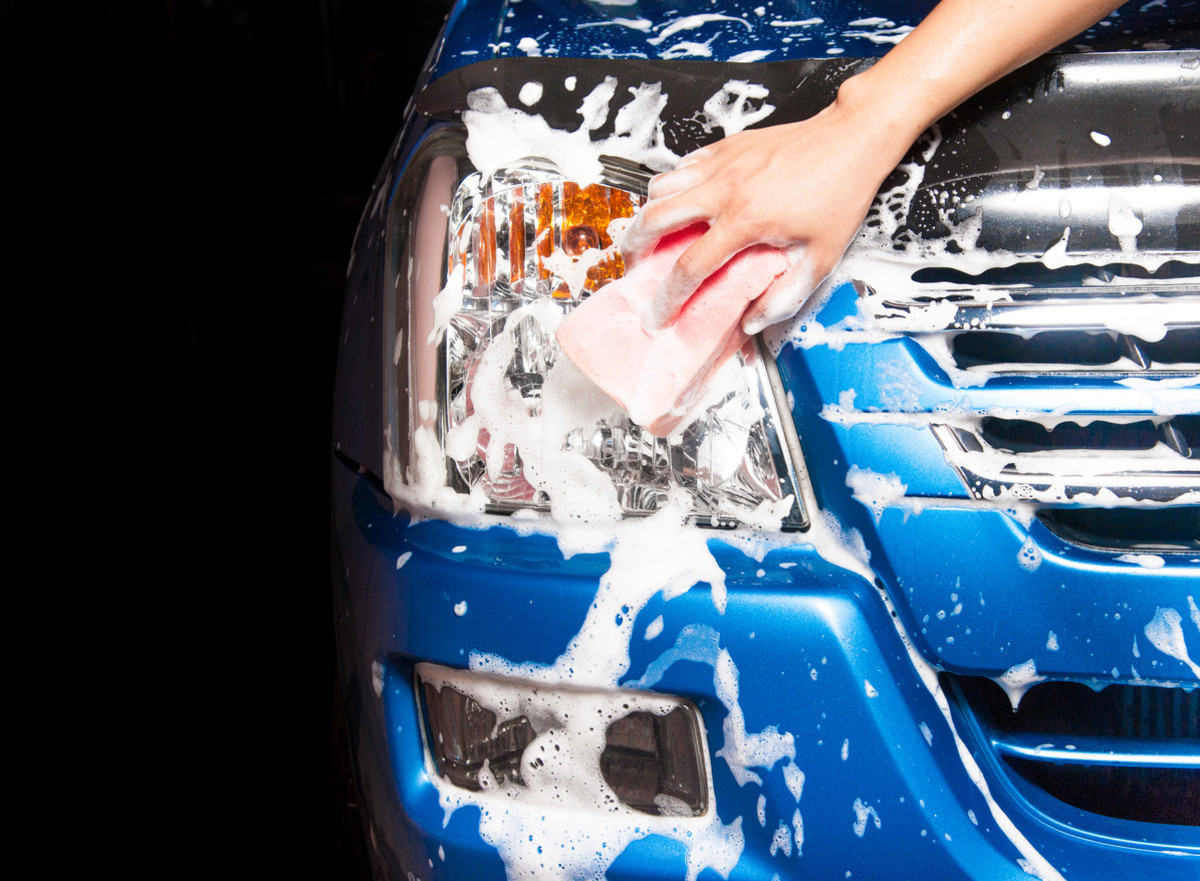
A good car washing regimen removes grime, bird droppings, tree sap, dirt, sand and more. If left on too long, contaminants like these can degrade the clear coat. Using high-quality soap and a microfiber mitt or pad can effectively remove substances from the painted surface, keeping your vehicle clean and preventing further damage.
When washing, keeping your wash mitt clean will minimize the chance of scratching the surface with debris, creating swirl marks. You can do this by using two buckets during washing. One is used to rinse the dirt and debris from the wash mitt, and the other, filled with clean, soapy water, is used to clean the vehicle. Washing the mitt off first prevents the cleaning solution from getting contaminated.
Cleaning your car from the top down ensures that the heaviest grime and dirt remain at the bottom and avoids transferring it to cleaner areas. A microfiber towel can be used to dry the vehicle after a wash to help prevent difficult-to-remove stains called water spots, which are from minerals in water and can occur when a car isn’t dried properly.
Basic Car Care: Waxing Your Car
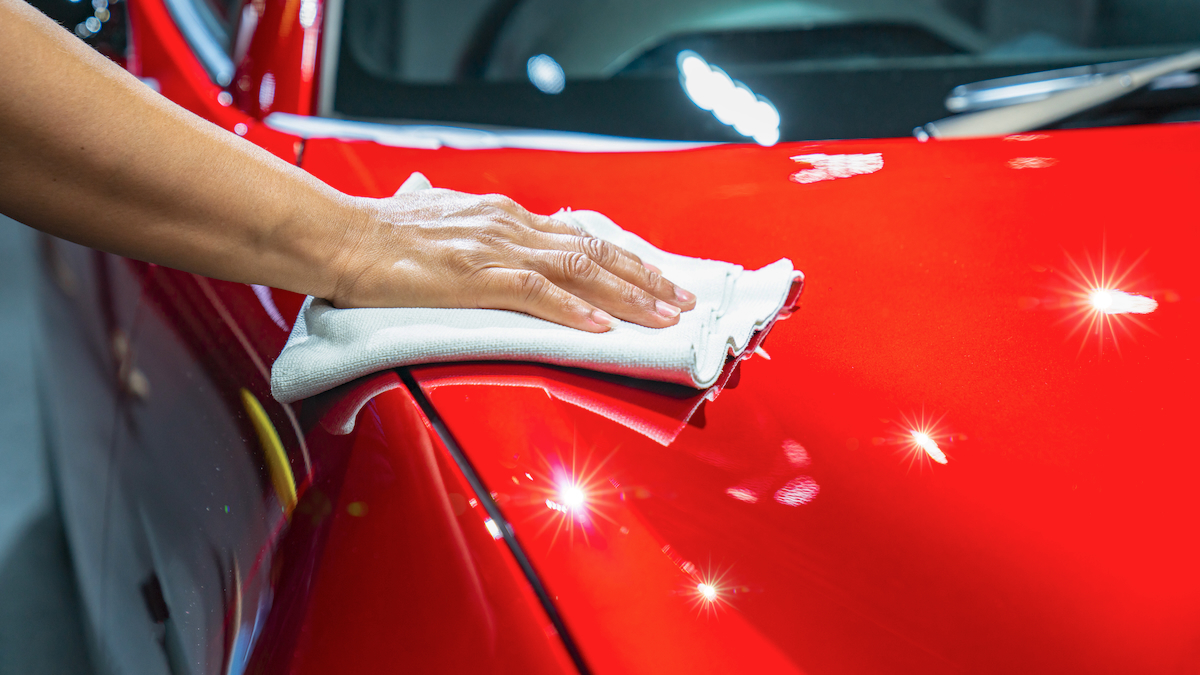
Car wax, whether applied by hand or as a spray wax, adds a protective layer to the vehicle’s paint. While wax provides a showroom-like, high-gloss finish, it requires regular reapplication to maintain its protective properties.
The cost of waxing a vehicle yourself will range from $8 for a can of traditional wax to $25 or more for spray, liquid or synthetic wax. A professional detailer will charge between $100 and $500, depending on the size of the vehicle and its condition.
Paint Sealant
Paint sealant is similar to wax, with a few key differences. While wax can be made with natural ingredients, paint sealant uses resins, synthetic polymers and other manufactured chemicals. Paint sealant is more durable because it binds to paint, while wax only rests on top. Sealant protection will last two to three months longer than standard wax, but regular reapplication is still needed. The finish differs between them, too, as car wax gives a glow while sealant provides more of a glass-like layer. A paint sealant is the better choice if you live in an area with harsh weather and road conditions, as it offers more protection for longer periods.
Paint sealant is a bit more expensive than wax, but it’s not exorbitant. Expect to pay $15 to $60 depending on the sealant’s brand, the amount needed and its chemical composition. Having a detailer apply the sealant is similar in price to applying wax, between $100 to $500.
Ceramic Coating
Ceramic coatings, made from nanotechnology, bond with a vehicle’s clear coat to create a protective layer that resists water. Being able to repel water, dirt and other substances like acid rain or tree sap reduces the risk of paint damage. Ceramic coatings also protect against damage caused by ultraviolet (UV) rays.
Ceramic coatings give the car’s exterior a glossy, showroom-like appearance. While professional application will likely yield the best results, DIY ceramic coating kits are available for those confident in auto detailing.
Applying ceramic coating incorrectly can result in visible imperfections like streaks, hazing, uneven coverage (causing high spots), cloudy reflections and oily film on the car's paint. This can significantly diminish the coating's protective qualities and may require professional removal and reapplication to repair.
The cost of ceramic coating depend on whether it’s applied professionally or as a DIY project. Professional applications range from $500 to $3,000, depending on the vehicle's size, the coating's quality and any paint correction required beforehand.
DIY ceramic coating kits are a more affordable alternative and usually cost between $50 and $150. Achieving the best results, though, requires a thorough understanding of auto detailing and ensuring the painted surface is pristine before application.
Paint Protection Film (PPF)
Paint protection film, often called PPF or clear bra, is a transparent, self-healing layer of protection applied to a car’s exterior. It shields the painted surface from rock chips, road debris and minor scratches. Self-healing PPF can repair scratches and swirls when exposed to heat, through sunlight or warm water, by rearranging the polymers in the film. Brands like XPEL offer high-quality films with warranties, ensuring long-lasting protection.
PPF is particularly beneficial for areas of the vehicle prone to damage, such as the front bumper, hood and side mirrors. PPF provides durability with minimal maintenance.
The cost of paint protection film varies based on the area covered and the quality of the film. On average, a full-body application can range from $2,000 to $8,000, depending on the vehicle's size and the brand used. Only applying PPF to high-impact areas is a more budget-friendly option, typically costing $500 to $2,000.
While the initial cost may seem high, PPF provides the best protection against road debris, rock chips and minor scratches, making it a worthwhile investment for preserving a car’s exterior.

How Long Does Paint Protection Last?
The longevity of car paint protection depends on the method and maintenance:
- Car Wax: Typically lasts one to three months, requiring frequent reapplication
- Paint Sealant: Protects for six to 12 months due to its durable polymer formulation
- Ceramic Coating: Offers long-term protection, usually lasting two to five years with proper care
- Paint Protection Film: Can last five to 10 years, but high-quality options often provide warranties for extended peace of mind
Gentle car washing and avoiding abrasive materials are essential for maximizing the lifespan of any protective layer.

Is Car Paint Protection Worth It?
Investing in paint protection is worth it for those who like to keep their vehicles looking new, and it can help with resale value. A well-maintained paint job enhances aesthetics and protects against costly paintwork repairs caused by dirt, UV rays and road debris.
For new car owners, applying a durable layer of protection early on ensures the vehicle’s paint remains in pristine condition for years to come. Advanced options like ceramic coating and PPF provide superior, long-lasting protection, making them a worthwhile investment for those seeking peace of mind and who don’t want to spend a lot of time maintaining the car’s exterior.