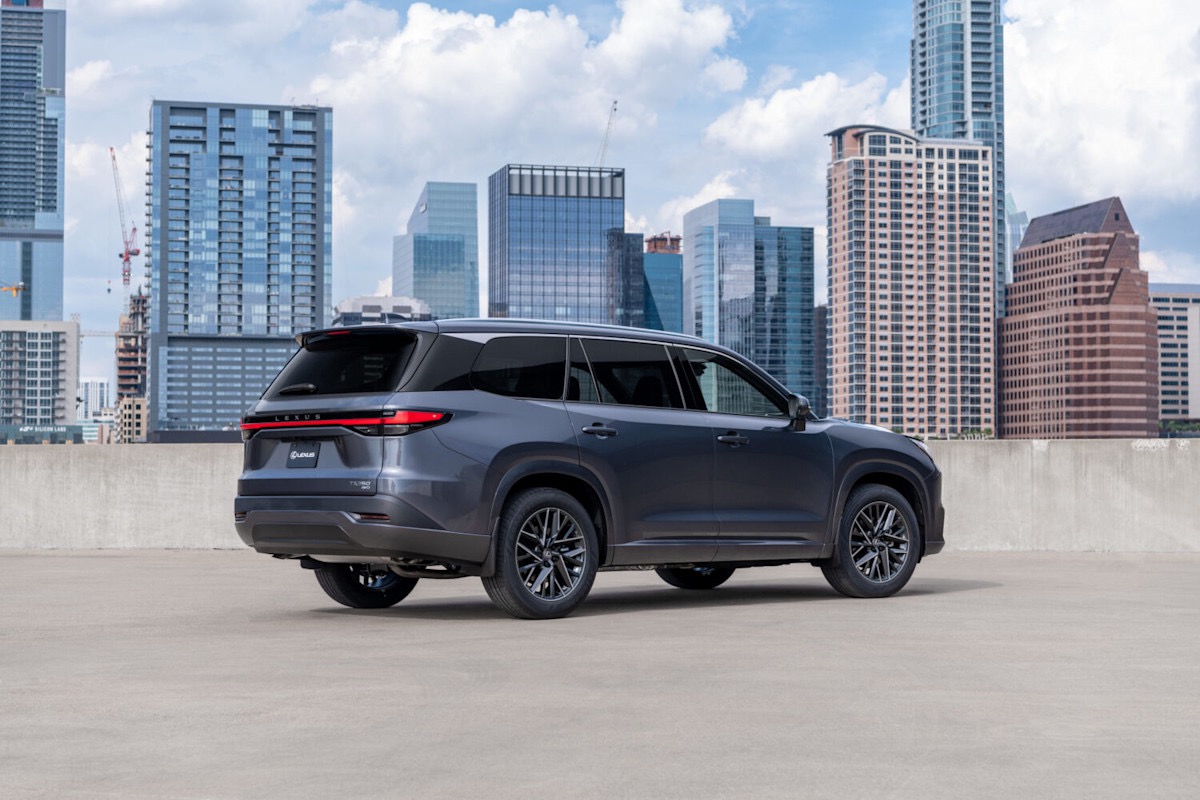
When shopping for a luxury car, the thrill of premium features, refined performance, and a prestigious badge can be alluring. However, the long-term ownership experience is just as important as the initial excitement. Unexpected repairs and frequent trips to the service center can quickly diminish the joy of owning a high-end vehicle. Choosing a luxury car with a strong reputation for reliability ensures that you can enjoy the comfort and performance you paid for without the stress of constant maintenance issues. A dependable luxury vehicle provides peace of mind, lower running costs over time, and a higher resale value.
This guide focuses on luxury cars that blend premium appointments with proven dependability. We've selected models that not only deliver a high-quality driving experience but also earn high marks from owners for their long-term satisfaction. From performance coupes like the Porsche 911 to comfortable sedans like the Lexus ES and innovative EVs like the BMW i4, this list covers a range of options for buyers who want both luxury and reliability. These vehicles demonstrate that you don't have to compromise on quality or durability to get the upscale experience you desire.
The Most Reliable Luxury Cars
- Porsche 911
- BMW 3 Series
- Acura TLX
- BMW 2 Series
- BMW i4
- Cadillac CT5
- Lexus ES
- Lexus IS
- Lexus LS
- BMW 4 Series
FAQs What Makes CarGurus Best Cars Guides Different Shopping Tools Related Topics
1. Porsche 911
CarGurus expert rating: 8.8 out of 10 CarGurus user rating: 4.7 out of 5 Percentage of Good and Great Deals available on CarGurus: 33.8% Overall CarGurus rating: 4.5 out of 5
| Pros | Cons |
|---|---|
| Excellent overall performance | Wind buffeting on the highway |
| Comfortable, simplistic interior | Slightly confusing tech |
| Solid daily livability | No more manual transmission for the base model |
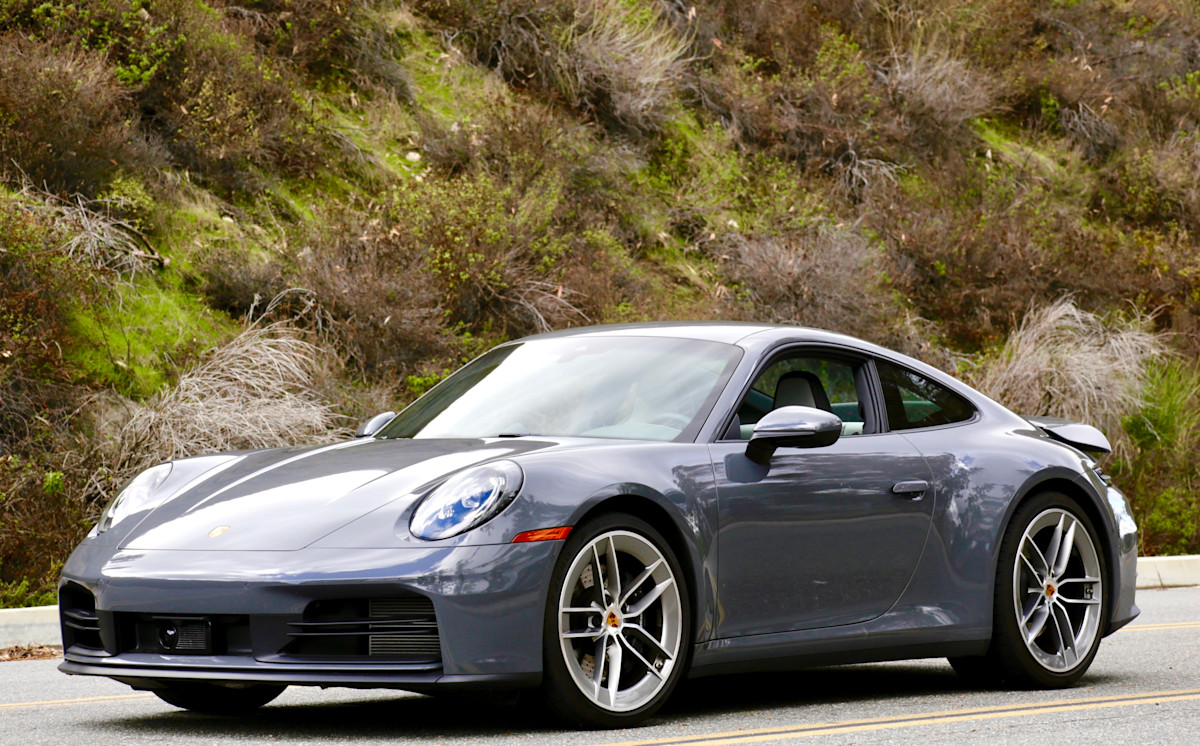
For luxury buyers who care about long-term satisfaction as much as driving enjoyment, the refreshed 2025 Porsche 911 makes a compelling case with strong owner sentiment and an equally impressive expert rating. Porsche didn’t reinvent the formula with this 992.2 generation; rather, the automaker refined it, with subtle design updates, standard Matrix Design LED headlights, and a clean, high-quality cabin that keeps the basics refreshingly straightforward with clearly labeled physical controls for drive modes and HVAC.
That usability extends to how the Carrera drives and lives day to day. The 3.0-liter twin-turbo flat-six makes 388 hp and 331 lb-ft of torque, paired with an eight-speed PDK (Porsche's dual-clutch automatic), and the suspension delivers a smooth-yet-connected ride around town—important for anyone putting real miles on a luxury car. Practicality is sports-car limited but not nonexistent: Cargo space is 4.8 cubic feet up front, and while the optional rear seats are best reserved for small kids or extra bags, front-seat room and visibility are notably friendly for a low-slung coupe. Tech is modernized with a new 12.6-inch digital cluster and a simple 10.9-inch PCM touchscreen with easy wireless Apple CarPlay, though some menu logic can take getting used to.
The CarGurus Verdict: "Between its thrilling performance, excellent ride, great usability, and handsome looks, it’s hard to fault the latest-generation Porsche 911 Carrera." - Peter Nelson
Read our most recent Porsche 911 review
2. BMW 3 Series
CarGurus expert rating: 8 out of 10 CarGurus user rating: 4.5 out of 5 Percentage of Good and Great Deals available on CarGurus: 33.6% Overall CarGurus rating: 4.4 out of 5
| Pros | Cons |
|---|---|
| Fun to drive | Snug interior |
| Easy-to-use technology | Front seat comfort on longer trips, hot days |
| Great safety ratings | Confusing, inconsistent names for technology |
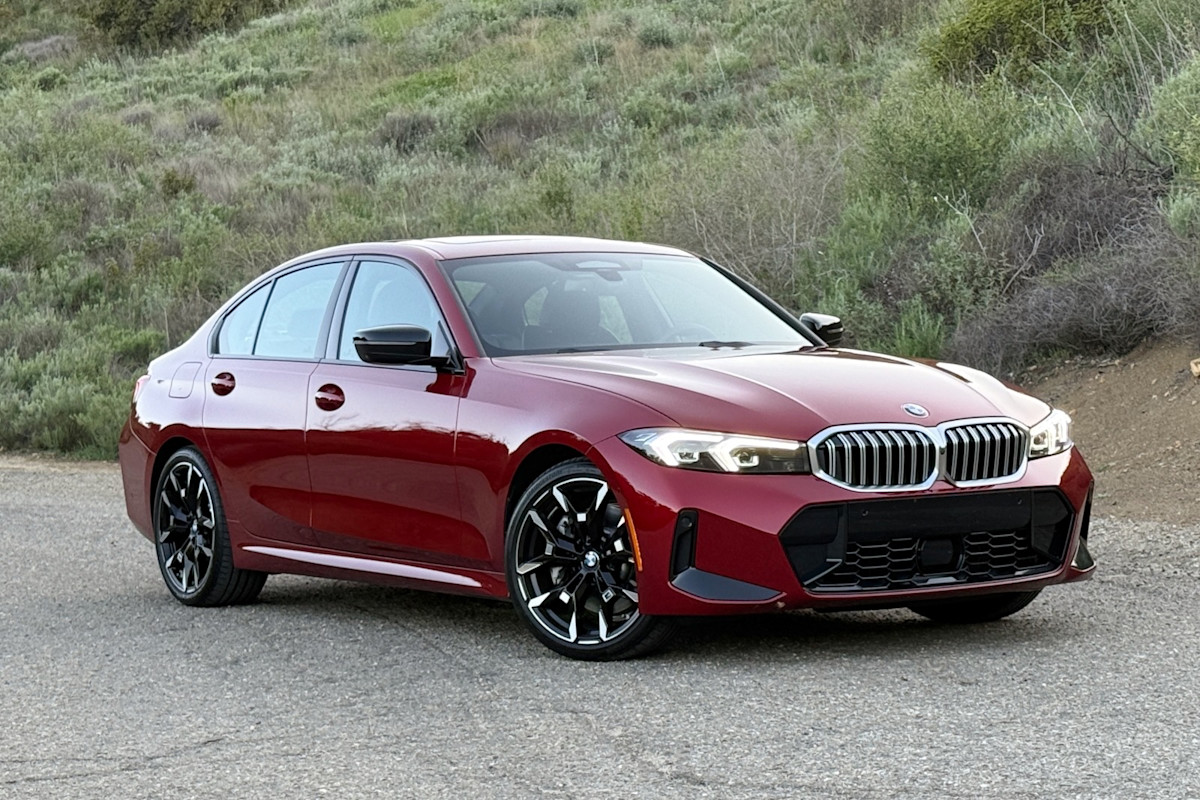
For luxury-car shoppers who want a dependable daily driver that still feels special years down the road, the BMW 3 Series offers solid build quality, straightforward real-world efficiency, and top safety performance. In testing with the National Highway Traffic Safety Administration (NHTSA), the latest 3 Series earns a five-star overall rating, and it also layers in crash-avoidance tech that can reduce day-to-day stress—though BMW’s packaging and naming can be confusing when you’re trying to confirm what’s standard versus optional. BMW also includes three years of complimentary scheduled maintenance, which can help take some uncertainty out of early ownership costs.
The 330i pairs a turbocharged 2.0-liter four-cylinder with a 48-volt mild-hybrid system for 255 hp and 295 lb-ft of torque, and it’s rated at 31 mpg combined by the EPA—useful for long commutes and highway-heavy driving. Tech is a big part of the ownership experience here: The updated iDrive 8.5 system supports wireless Apple CarPlay and Android Auto, and available parking-assistance features make tight garages and city spaces easier to manage. Practicality is good for the class, too, with 16.9 cubic feet of trunk space, but keep in mind that the cabin is on the snug side, and the front seats may not be the best match for every body type on longer trips—plus ventilated front seats aren’t offered, which can matter if you live in a hot climate.
The CarGurus Verdict: "The 2025 BMW 3 Series isn’t perfect, but it’s perfectly enjoyable to drive. Also, for a car nearing the end of its current generation, it offers remarkably advanced technology. A redesign is coming soon, but the current version remains one of our favorites." - Christian Wardlaw
Read our most recent BMW 3 Series review
3. Acura TLX
CarGurus expert rating: 7.3 out of 10 CarGurus user rating: 4.6 out of 5 Percentage of Good and Great Deals available on CarGurus: 26.7% Overall CarGurus rating: 4.3 out of 5
| Pros | Cons |
|---|---|
| Stylish design | Cramped back seat |
| Great handling | Not much cargo space |
| Excellent value for money | Unintuitive technology |
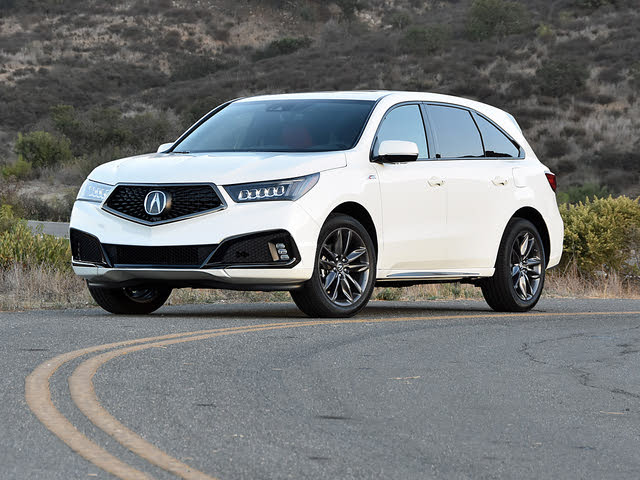
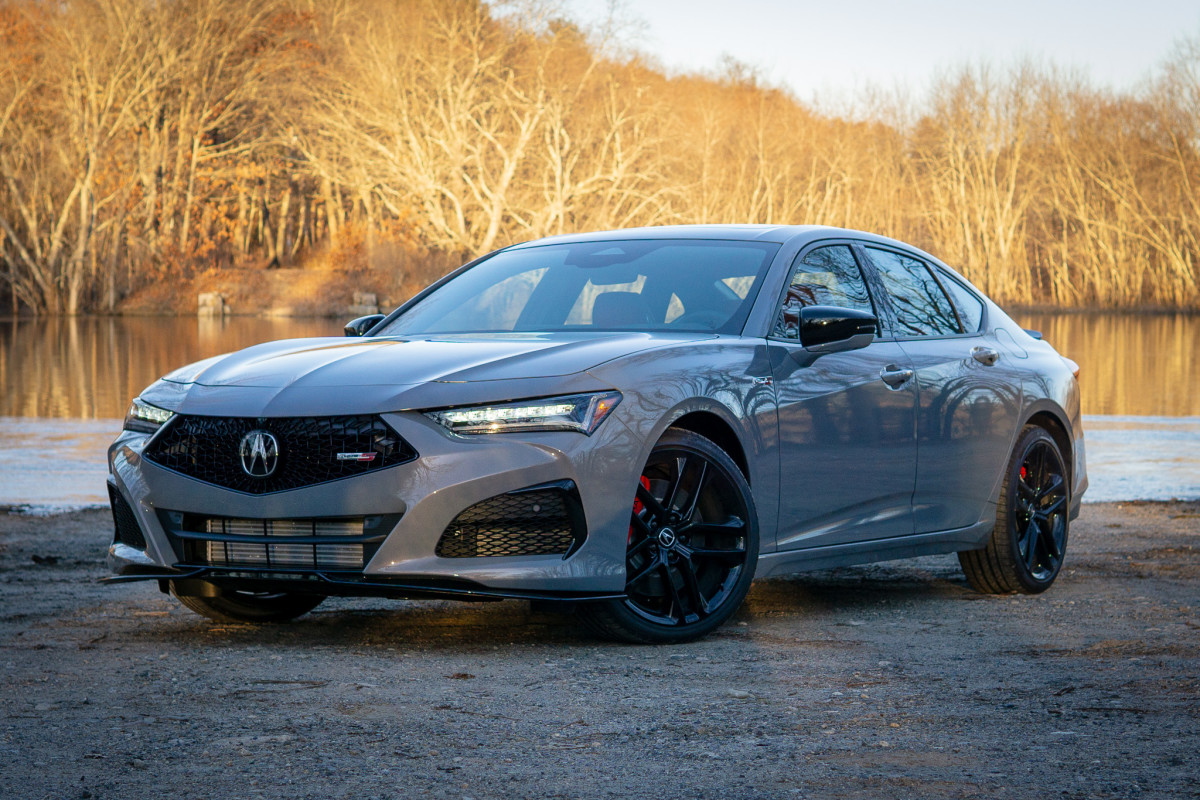
For reliability-minded luxury shoppers, the 2024 Acura TLX’s appeal is that Acura kept the fundamentals the same while adding meaningful updates like dual 12.3-inch displays and a cleaner front-end design. It also backs up long-term ownership with strong coverage: a six-year/70,000-mile powertrain warranty and a four-year/50,000-mile bumper-to-bumper warranty with roadside assistance. Standard AcuraWatch driver-assistance tech (including automatic emergency braking and lane-keeping assist) and a 5-star overall NHTSA crash rating help support the TLX’s case as a sensible daily driver, even if the infotainment system’s touchpad-style controls can be frustrating when using Apple CarPlay or Android Auto.
The TLX also puts its engineering priorities into the parts that tend to matter most over years of driving: its powertrains and chassis. Most trims use a turbocharged 2.0-liter four-cylinder making 272 hp and 280 lb-ft of torque, while the Type S upgrades to a turbocharged 3.0-liter V6 with 355 hp and 354 lb-ft of torque, paired with hardware like Brembo brakes and adaptive dampers. The tradeoff is packaging—rear-seat legroom is tight for the class and the trunk measures 13.5 cubic feet—so it’s best for buyers who want a durable-feeling, performance-first luxury sedan and can live with less passenger and cargo flexibility.
The CarGurus Verdict: "It’s weirdly sized, looking like a midsize sedan on the outside but feeling like a compact sedan on the inside, but the TLX is an excellent performer. Overall, it’s a great choice for shoppers looking to buy a sports sedan on a budget." - Matt Smith
Read our most recent Acura TLX review

4. BMW 2 Series
CarGurus expert rating: 6.3 out of 10 CarGurus user rating: 4.6 out of 5 Percentage of Good and Great Deals available on CarGurus: 32.3% Overall CarGurus rating: 4.3 out of 5
| Pros | Cons |
|---|---|
| Fun to drive | Uninspired styling |
| Standard all-wheel drive | Unintuitive technology |
| Plenty of cargo space | Firm ride quality |
For luxury-car shoppers who put a premium on hassle-free daily use, the redesigned BMW 2 Series Gran Coupe leans into a simple, confidence-building formula: standard all-wheel drive (AWD), a smooth-shifting dual-clutch automatic that behaves well at parking-lot speeds, and a cabin that feels appropriately “BMW” in the places you touch most. It also brings a strong roster of standard tech—wireless Apple CarPlay and Android Auto, a 10.7-inch touchscreen, a wireless charging pad, and Harman Kardon audio—plus over-the-air updates and phone-as-a-key capability that can help keep ownership feeling current over time. Safety tech is similarly thorough, with automatic emergency braking and blind-spot monitoring included, and available driver assists such as adaptive cruise control and traffic-jam assist for commuting.
Reliability-minded buyers should also appreciate that the 2 Series is a small sedan with sensible packaging: Despite a coupe-like roofline that can pinch rear headroom, the trunk is rated at 12 cubic feet and is described as more usable than the number suggests, with easy seat-back releases for bigger hauls. The tradeoffs are mostly about refinement choices rather than fundamentals—some versions ride firmly, and the infotainment menus can make certain tasks (like adjusting following distance for the adaptive cruise control) more complicated than they need to be. Value is a plus in the segment: With 34.7% of listings marked as Good or Great Deals on CarGurus, it’s the kind of luxury nameplate where patient shoppers can realistically hunt for a well-equipped example at a fair price.
The CarGurus Verdict: "The all-new 2025 BMW 2 Series Gran Coupe is a relative bargain among compact luxury cars, leading shoppers to the brand’s pricier and more athletic models. However, if your preferences favor performance over practicality, you might want to consider spending just a bit more for the two-door 2 Series coupe." - Mark Takahashi
Read our most recent BMW 2 Series review

5. BMW i4
CarGurus expert rating: 7.8 out of 10 CarGurus user rating: 4.8 out of 5 Percentage of Good and Great Deals available on CarGurus: 36.9% Overall CarGurus rating: 4.3 out of 5
| Pros | Cons |
|---|---|
| Fun to drive | Potentially polarizing design |
| Plenty of cargo space | Difficult entry/exit |
| Impressive technology | Cramped back seat |
The BMW i4 pairs the brand’s high-quality build with a powertrain that avoids many of the wear items associated with gas engines. It’s also a genuinely usable daily driver thanks to its four-door sportback layout: The back seat is snug for taller adults, but the rear hatch adds real flexibility for luggage and bulkier items compared with a traditional sedan trunk. In eDrive40 form, the i4 offers 335 hp and 317 lb-ft of torque, along with EPA-estimated range of 318 miles on standard 18-inch wheels (295 miles with 19-inch wheels), giving it the kind of easy, quiet, commute-friendly character many luxury buyers want.
BMW also leans into the “reliable luxury” formula with strong tech and driver-assistance fundamentals. The updated iDrive 8.5 system with Quick Select and the Intelligent Personal Assistant is designed to reduce day-to-day friction, while Plug & Charge compatibility can simplify public charging by handling payment authentication automatically at participating networks. Standard safety tech includes forward collision warning with automatic emergency braking, blind-spot monitoring, lane-keep assist, and rear cross-traffic alert, with available hands-free functionality for low-speed highway traffic. The main trade-offs are the low-slung entry/exit and limited small-item storage, but if you want EV efficiency without giving up the premium feel and driving enjoyment BMW is known for, the i4 fits the brief.
The CarGurus Verdict: "If anything is standing in the i4’s path to success, it’s the hubris of its twin-kidney nose screaming “This is a BMW!” Whether you love it or hate it, there is no denying it is distinctive, but excessive. Look past this styling feature, and you’ll discover an outstanding EV." - Christian Wardlaw
Read our most recent BMW i4 review
6. Cadillac CT5
CarGurus expert rating: 7.3 out of 10 CarGurus user rating: 4.7 out of 5 Percentage of Good and Great Deals available on CarGurus: 28.3% Overall CarGurus rating: 4.3 out of 5
| Pros | Cons |
|---|---|
| Enjoyable to drive | Lacks overall polish and refinement |
| Impressive technology | Tight rear-seat headroom |
| Great safety ratings | Not much cargo space |
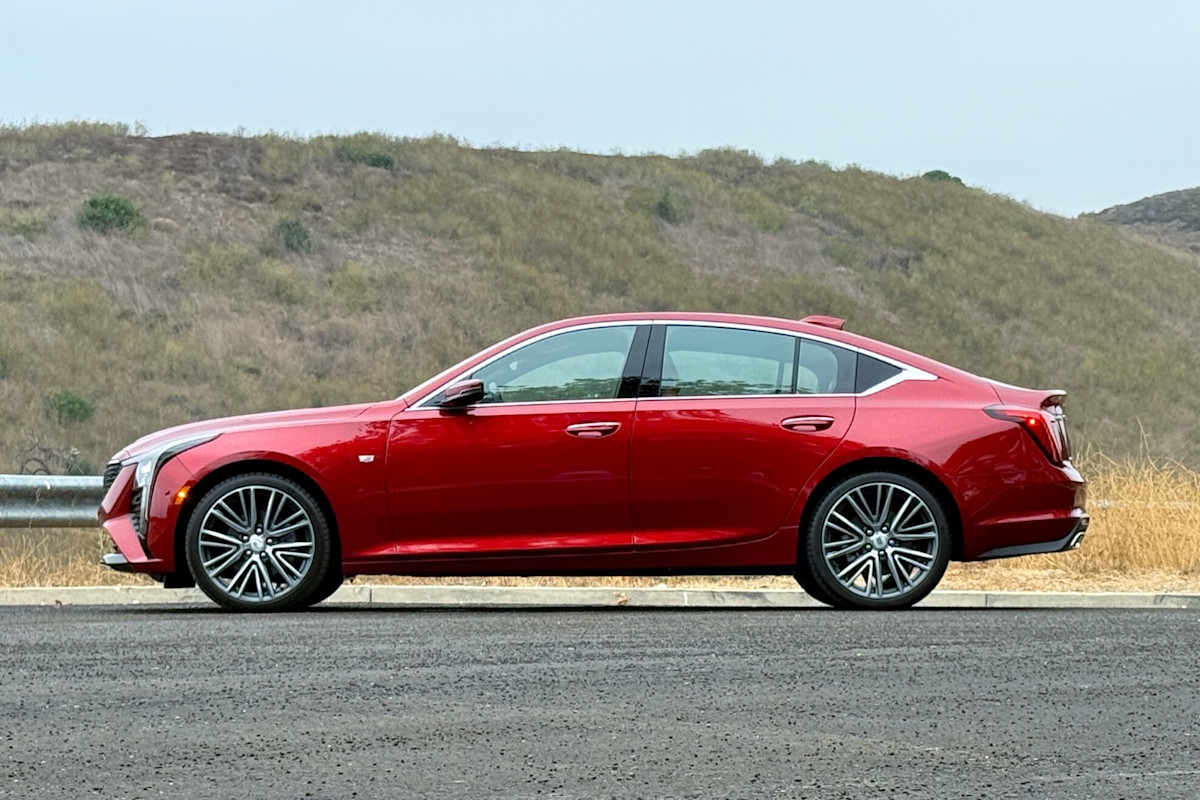
For luxury-car shoppers who put day-to-day trust and low-drama usability at the top of the list, the Cadillac CT5 is worth a look. Every CT5 comes with a wide range of driver-assistance features, backed up with rare across-the-board five-star NHTSA crash-test results, including rollover resistance. Available Super Cruise hands-free driving can also take a lot of stress out of long highway miles, while standard Teen Driver technology helps families set guardrails and monitor driving behavior.
The 2025 refresh added a 33-inch panoramic display with Google built-in, plus wireless Apple CarPlay and Android Auto, which helps the CT5 feel modern in the ways you’ll interact with every day. Power comes from either a turbo 2.0-liter four-cylinder making 237 hp and 258 lb-ft of torque or an available twin-turbo 3.0-liter V6 with 335 hp and 405 lb-ft of torque, with rear-wheel drive (RWD) standard and AWD optional for both. Practicality is more of a compromise: The trunk measures 11.9 cubic feet, and the rear seat has tight headroom, so buyers who routinely travel with adults and luggage will want to think through their real-world needs before choosing this sedan.
The CarGurus Verdict: "Despite the updates for 2025, the Cadillac CT5 is starting to look and feel like an older car. Also, compared to its rivals, it lacks polish and refinement. However, it is a bargain when cross-shopping it with the Audi A6, BMW 5 Series, and Mercedes-Benz E-Class. Its tech is impressive, too." - Christian Wardlaw
Read our most recent Cadillac CT5 review
7. Lexus ES
CarGurus expert rating: 7 out of 10 CarGurus user rating: 4.5 out of 5 Percentage of Good and Great Deals available on CarGurus: 29.9% Overall CarGurus rating: 4.3 out of 5
| Pros | Cons |
|---|---|
| Fuel-efficient | Uninspired styling |
| Quiet cabin | Fairly pedestrian performance |
| Multiple powertrain options | Underwhelming base engine |
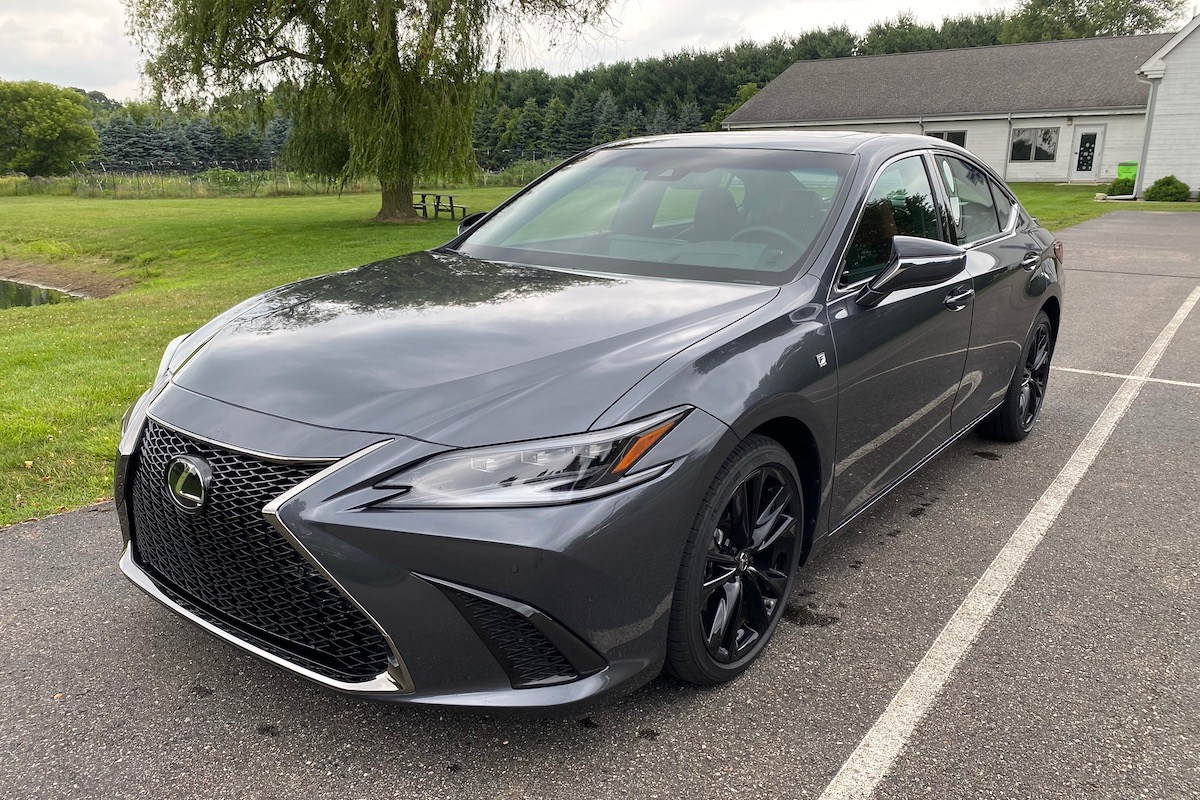
The Lexus ES leans hard into the basics that make everyday ownership easy: a quiet cabin, a smooth and predictable driving feel, and powertrain options to match your priorities. The ES 300h hybrid is the efficiency pick at an EPA-estimated 44 mpg combined, while the ES 350’s 3.5-liter V6 brings 307 hp and 267 lb-ft of torque for drivers who want stronger passing power. The base ES 250 AWD delivers all-wheel-drive traction, but its 203-hp four-cylinder can feel strained when pushed, which is worth keeping in mind if you’re shopping for effortless acceleration.
Reliability-minded buyers also tend to value safety tech and straightforward usability, and the ES scores well here. It earned high ratings from both the Insurance Institute for Highway Safety (IIHS) and the NHTSA, and every ES comes with Lexus Safety System+ 2.5 plus standard blind-spot monitoring and rear cross-traffic alert. There’s also real sedan practicality: a 13.9-cubic-foot trunk (including the hybrid) and a pass-through for longer items. The infotainment setup brings standard Apple CarPlay and Android Auto, though the touchpad controller can be fussy on rough roads, so it’s a good idea to test-drive the interface before committing.
The CarGurus Verdict: "In the age of the SUV and at the dawn of electrification, the ES does its best to to capture any remaining new car buyers interested in a traditional sedan." - Jason Fogelson
Read our most recent Lexus ES review
8. Lexus IS
CarGurus expert rating: 8.2 out of 10 CarGurus user rating: 4.5 out of 5 Percentage of Good and Great Deals available on CarGurus: 26.6% Overall CarGurus rating: 4.3 out of 5
| Pros | Cons |
|---|---|
| Fun to drive | Not much cargo space |
| Easy-to-use technology | Noisy |
| Standard advanced safety features | Poor value for money |
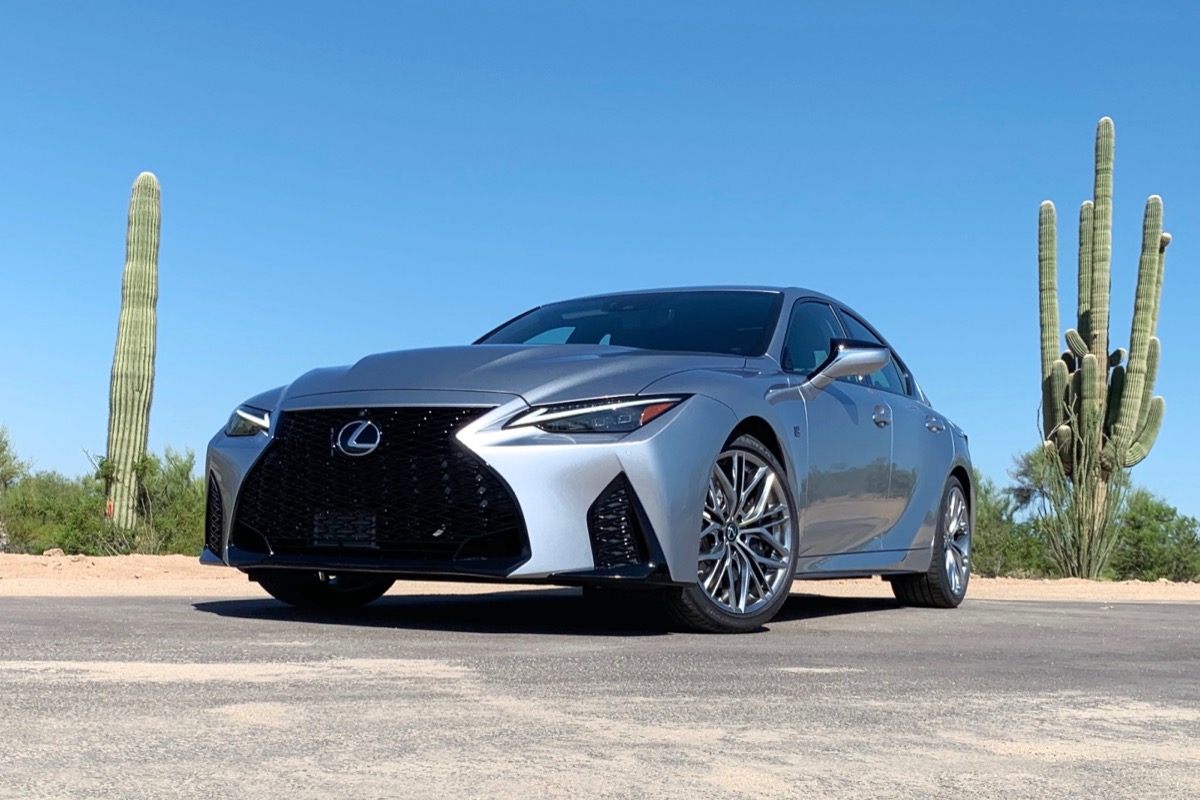
With everyday livability and the kind of build quality Lexus is known for, the IS is a strong option, Even in high-heat conditions, the IS 500’s climate control and effective ventilated seats help it feel like a premium daily driver, and the cabin’s button-and-knob layout is refreshingly straightforward compared with newer, more touch-heavy designs. The trade-off is practicality: Trunk space is just 10.8 cubic feet, which is tight for airport runs or bigger weekend hauls.
The headline-grabber is the IS 500 F Sport Performance, which pairs a naturally aspirated 5.0-liter V8 with 472 hp and 395 lb-ft of torque, sending power to the rear wheels through an eight-speed automatic—great for enthusiasts who value a responsive, characterful engine over the low-end shove of turbo rivals. For peace of mind, every IS comes standard with Lexus's suite of advanced driver-assistance systems, and the model earns top marks from the IIHS and the NHTSA. Just be aware that some of the driver-assist tuning can feel overprotective in certain situations. It’s also worth budgeting for the reality that this V8 is more about sound and feel than efficiency, and road noise can be more noticeable than you might expect in a luxury sedan.
The CarGurus Verdict: "If you’re among the driving enthusiasts who miss the discontinued Lexus GS F, this is a credible substitute." - Christian Wardlaw
Read our most recent Lexus IS review
9. Lexus LS
CarGurus expert rating: 8 out of 10 CarGurus user rating: 4.6 out of 5 Percentage of Good and Great Deals available on CarGurus: 37.2% Overall CarGurus rating: 4.3 out of 5
| Pros | Cons |
|---|---|
| Quiet cabin | Potentially polarizing design |
| Premium interior materials | Unintuitive technology |
| Great handling |
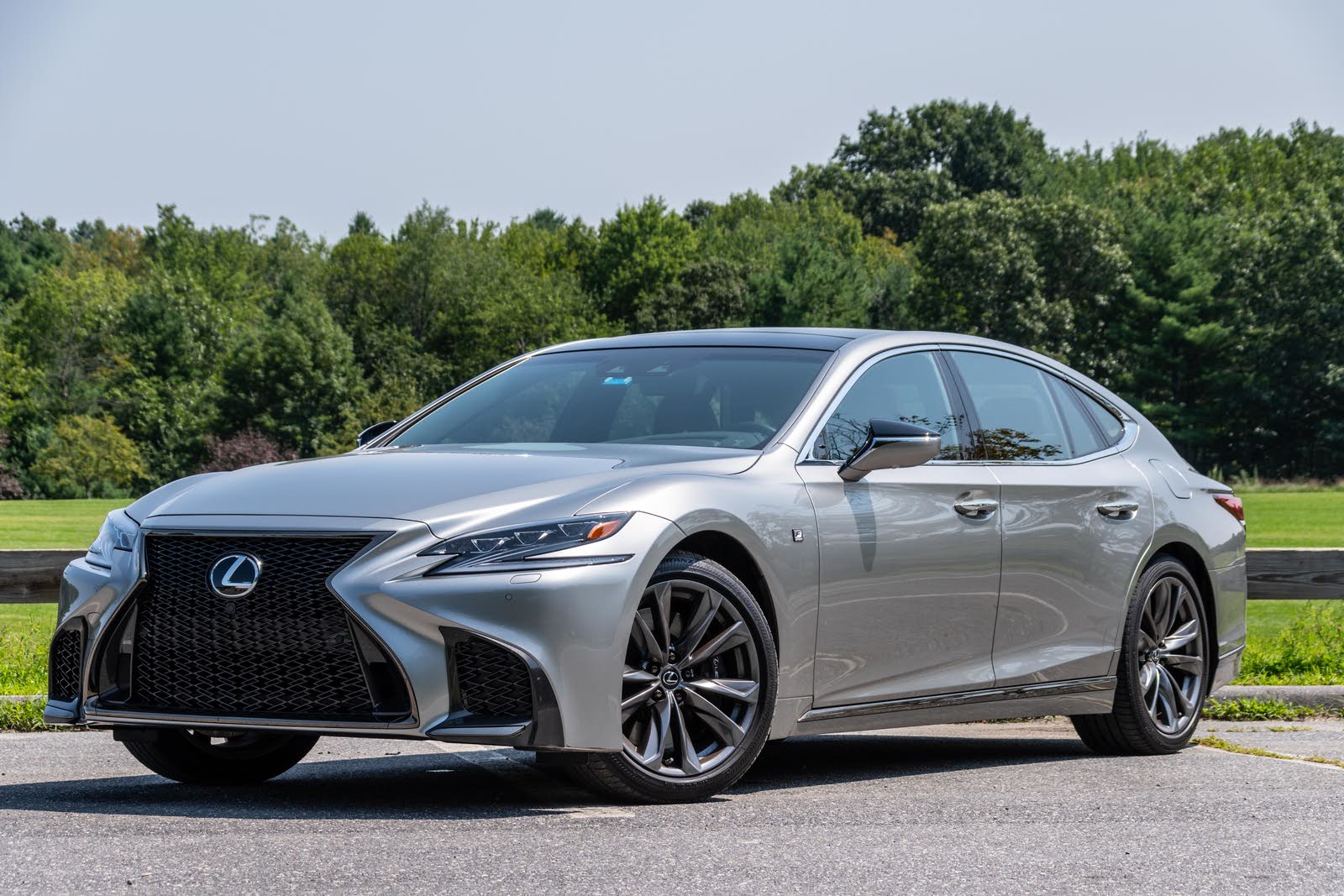
The Lexus LS plays to the brand’s core strengths—reliability, value, and customer service—while still delivering the kind of quiet, richly finished cabin you expect in a flagship. The styling is deliberately bold (the spindle grille is a love-it-or-hate-it decision), but the interior is the main event: high-end materials, intricate trim work, and a design that feels special every time you climb in. It’s also genuinely usable day to day, with huge door openings, excellent sightlines, and a 17-cubic-foot trunk, even though the rear seatbacks don’t fold down.
Under the hood, the LS 500’s twin-turbo 3.5-liter V6 makes 416 hp and 442 lb-ft of torque, paired with a 10-speed automatic and available RWD or AWD; it’s quick and smooth without the drama (or potential complexity) of a V8. Safety tech is a strong point for family-minded luxury buyers, with Lexus's safety suite standard, including automatic emergency braking with pedestrian detection, lane-keep assist, adaptive cruise control, and blind-spot monitoring, plus available enhancements like road-sign detection. The biggest real-world drawback is Lexus’s touchpad-based infotainment interface, which can be frustrating to use, but the overall package remains compelling when you want flagship comfort and features without paying traditional S-Class money.
The CarGurus Verdict: "The LS isn’t just Lexus’s flagship sedan; it’s the definitive flagship sedan. When the first models debuted a few decades ago, the level of refinement and engineering put Lexus on the map as a serious contender in the luxury space." - Chris Teague
Read our most recent Lexus LS review
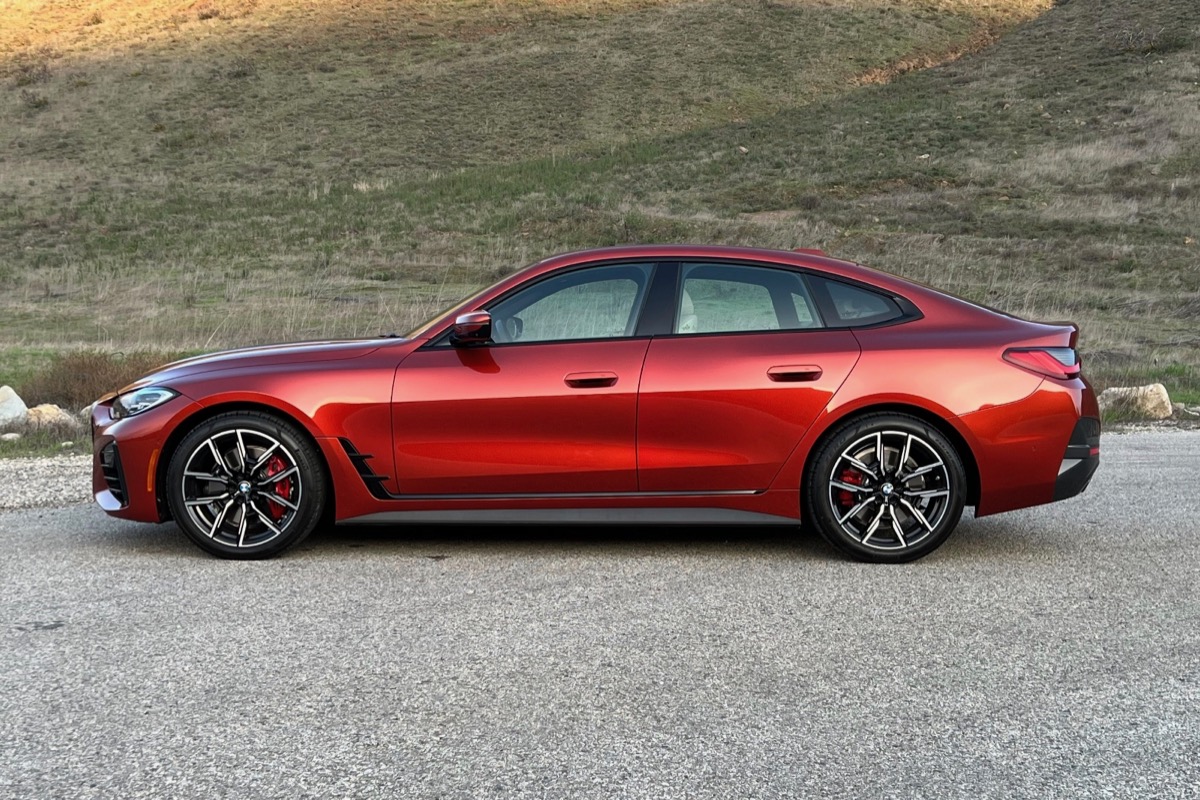
10. BMW 4 Series
CarGurus expert rating: 6.5 out of 10 CarGurus user rating: 4.6 out of 5 Percentage of Good and Great Deals available on CarGurus: 31.7% Overall CarGurus rating: 4.2 out of 5
| Pros | Cons |
|---|---|
| Fun to drive | Potentially polarizing styling |
| Plenty of cargo space | Cramped back seat |
| Impressive technology | Poor value for money |
For luxury-car shoppers who want day-to-day peace of mind, the BMW 4 Series Gran Coupe balances sporty hardware with the kind of tech and safety equipment that makes it easier to live with long-term. Every model comes with Active Driving Assistant features such as forward-collision warning with pedestrian/cyclist detection, low-speed automatic emergency braking, blind-spot monitoring, rear cross-traffic alert, and lane-departure warning with lane-keeping assist, plus front and rear parking sensors. On the tech side, the standard Live Cockpit Professional setup includes BMW’s iDrive 7 with a 12.3-inch digital instrument cluster and a 10.25-inch touchscreen, plus wireless Apple CarPlay and Android Auto and over-the-air navigation updates—useful touches for keeping the car feeling current as the miles add up.
The 430i version pairs an eight-speed automatic transmission with a turbocharged 2.0-liter four-cylinder that makes 255 hp and 294 lb-ft of torque, and it’s engineered to feel composed in normal commuting while still delivering BMW’s signature balance when you’re in the mood to drive. Practicality is the Gran Coupe’s key usability win: The hatchback layout provides 16.6 cubic feet of cargo space, expanding to 45.6 cubic feet with the rear seats folded, even if rear-seat entry and space are tighter than you might expect. Ownership costs are less reassuring—this BMW isn’t positioned as a value play—but it does include BMW Ultimate Care, covering scheduled maintenance for three years or 36,000 miles, which helps simplify early ownership.
The CarGurus Verdict: "As has always been the case, the reason to select a BMW 4 Series Gran Coupe over its competitors comes down to driving dynamics." - Christian Wardlaw
Read our most recent BMW 4 Series review
The Most Reliable Luxury Cars FAQs
Which brands are most frequently featured on the list of most reliable luxury cars?
BMW and Lexus feature most prominently on our list, each with multiple models recognized for their reliability and owner satisfaction.
Are electric luxury cars considered reliable?
Yes, EVs can be very reliable, in part because they have fewer moving parts than gasoline-powered cars (no oil changes, spark plugs, or exhaust systems to maintain). The BMW i4 on this list is a great example, combining the brand's solid build quality with an electric powertrain, which can lead to fewer maintenance needs over the life of the vehicle.
Can a high-performance sports car also be reliable?
Absolutely. The Porsche 911 is a prime example of a high-performance sports car that also boasts strong reliability ratings and high owner satisfaction. It demonstrates that thrilling performance and solid daily livability can coexist, making it a compelling choice for buyers who want an exciting drive without constant worry.
Which reliable luxury car on this list is best for fuel efficiency?
For those prioritizing fuel economy, the hybrid Lexus ES 300h is the standout choice. With an EPA-estimated 44 mpg combined, it offers a quiet, comfortable luxury experience with significantly fewer trips to the gas station, making it an excellent option for long commutes.
What Makes CarGurus Best Cars Guides Different?
Most car-shopping websites publish lists of the best cars across a variety of categories, with recommendations generally driven by editorial expertise. Here's what makes ours different: In addition to the insights and verdicts of our team of car-testing experts, our best cars guides take into account other factors that we know matter to buyers-real owner experiences and current market value.
Our expert reviewers are among this country's most trusted automotive journalists, also writing for publications including US News and World Report, Edmunds, Digital Trends, J.D. Power, and Car & Driver. They put each car through real-world testing and create detailed reviews of performance in a range of categories, from practicality and driving manners to cost-effectiveness and safety.
We also analyze hundreds of thousands of used car listings on CarGurus.com to track which models consistently offer the highest percentage of best deals relative to how many are listed for sale. Then we factor in reviews from owners-people who actually live with these cars every day. Our proprietary Best Cars algorithm then creates a final Overall CarGurus rating combining expert scores, user reviews, and the percentage of listings that have earned the Good or Great Deal rating. This multi-pronged approach reveals not just which cars excel on paper, but which ones deliver satisfaction and value when you're ready to buy.
The CarGurus market data used in this guide was last updated in March of 2026. Values were accurate at time of publication and should be used as a guide only.