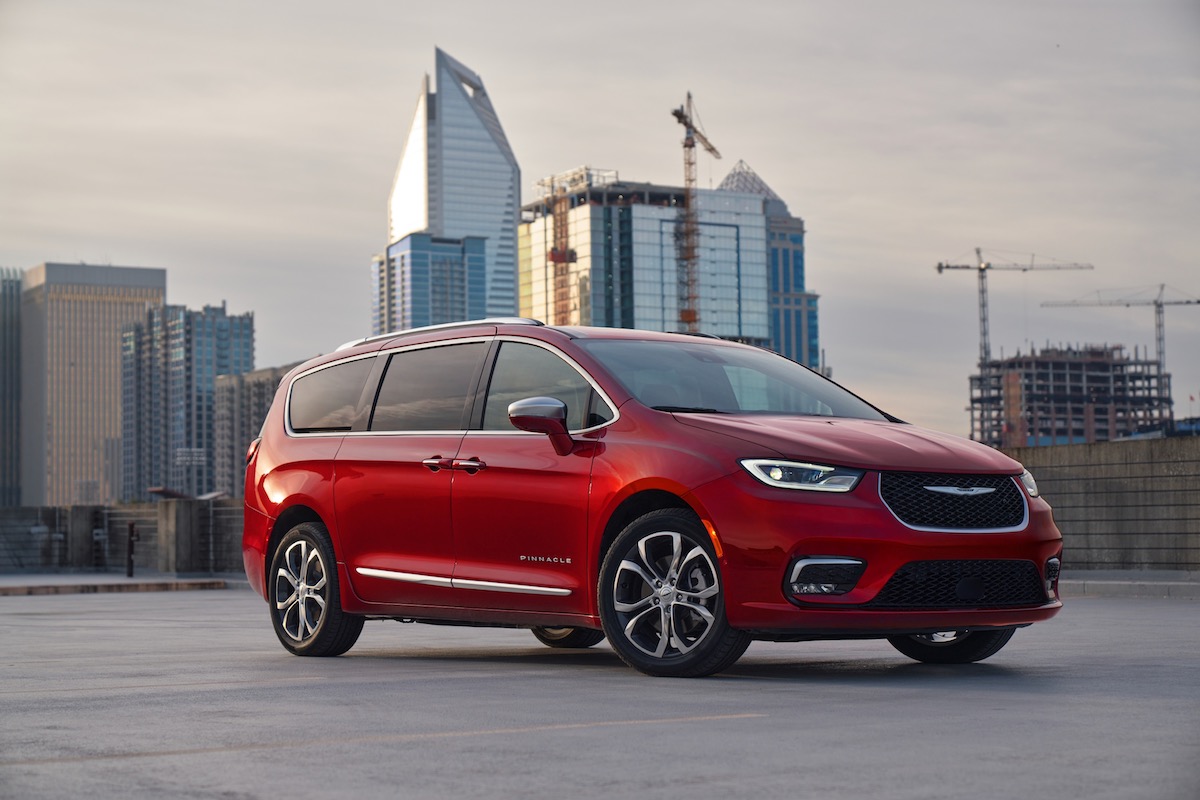
For families on the go, the minivan remains the undisputed champion of practicality, offering unmatched space for passengers and cargo. However, their size and weight have traditionally meant more frequent stops at the gas station. A hybrid minivan offers a compelling solution, blending the cavernous interior and sliding-door convenience of a traditional people-mover with the improved fuel efficiency of a gas-electric powertrain. This means fewer dollars spent on fuel during the daily grind of school runs, grocery trips, and soccer practice, all without sacrificing the core functionality that makes minivans so appealing.
Choosing the right hybrid minivan involves considering a few key differences. The market includes traditional hybrids, which use an electric motor to assist the gasoline engine, and plug-in hybrids (PHEVs) that offer a significant all-electric driving range before the gas engine is needed at all. The Chrysler Pacifica Hybrid, for instance, stands alone as a PHEV, capable of handling many daily commutes without using a drop of gasoline. Meanwhile, models like the Toyota Sienna and the new Kia Carnival Hybrid provide the convenience of a standard hybrid system with no plugging in required. Deciding which is best for you depends on your driving habits, access to charging, and whether features like all-wheel drive (AWD) are a priority.
The Best Hybrid Minivans
FAQs What Makes CarGurus Best Cars Guides Different Shopping Tools Related Topics
1. Chrysler Pacifica Hybrid
CarGurus expert rating: 7.8 out of 10
CarGurus user rating: 4.4 out of 5
Percentage of Good and Great Deals available on CarGurus: 29.0%
Overall CarGurus rating: 4.3 out of 5
| Pros | Cons |
|---|---|
| Stylish design | All-wheel drive not available |
| Comfortable | Poor value for money |
| Impressive electric range |
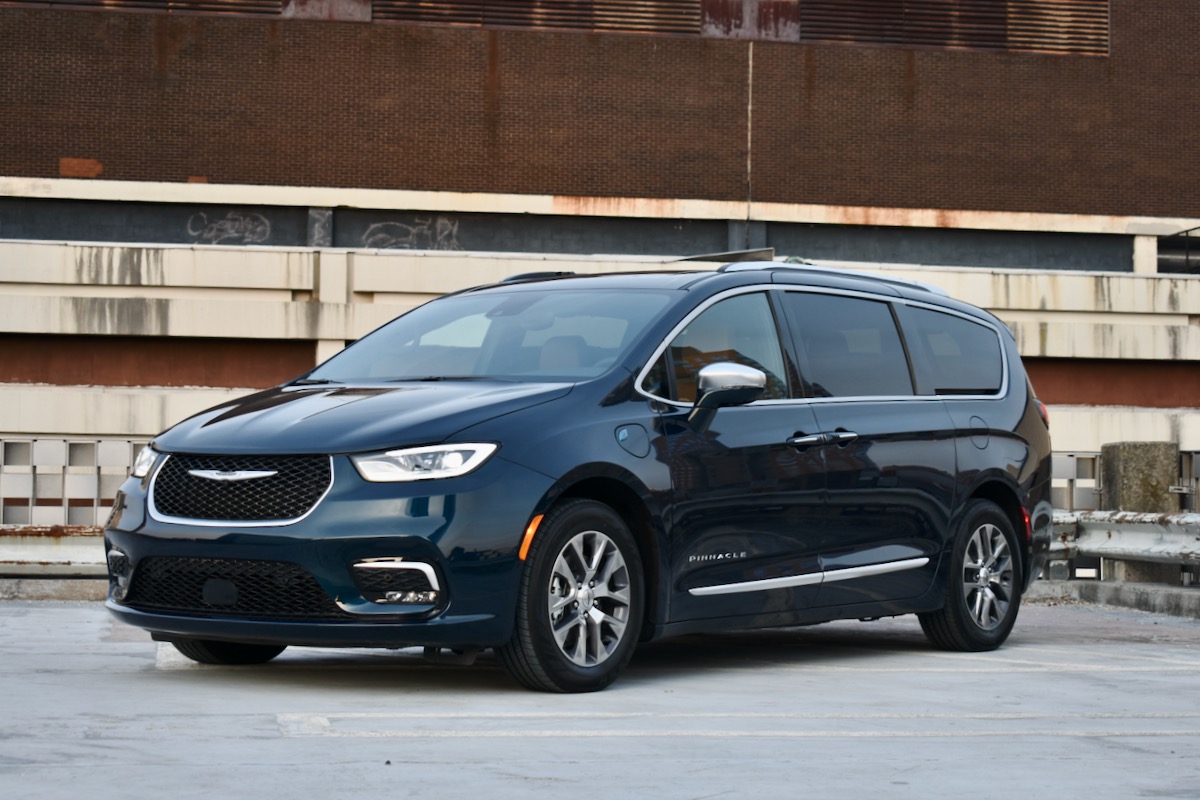
The Chrysler Pacifica Hybrid is the only plug-in hybrid minivan on sale in the US, which matters if you want a family hauler that can run on electricity for many of your day-to-day miles. It's EPA-rated for 32 miles of electric range (82 miles per gallon of gasoline equivalent (MPGe) combined), and it returns 30 mpg combined once it's operating as a hybrid, making it a strong fit for school runs and commuting when you can plug in regularly. The system pairs an Atkinson-cycle 3.6-liter V6 with a two-motor hybrid setup and a 16-kWh battery pack for a total of 260 hp, and it recharges in about two hours on a 240-volt Level 2 charger (6.6-kW onboard AC charger). The tradeoffs are worth noting: it's front-wheel drive (FWD) only (no AWD), and Chrysler doesn't recommend towing with the plug-in hybrid model.
As a minivan first, the Pacifica Hybrid nails the easy-to-live-with stuff—sliding doors, a low step-in height, a quiet ride, and useful cargo room (32.2 cubic feet behind the third row, 87.5 behind the second row, and 140.5 behind the first row). The big packaging caveat is that the plug-in hybrid can't be had with Stow 'n Go second-row seats because the battery occupies that space, so you get second-row captain's chairs instead. Tech is family-friendly, with a standard 10.1-inch Uconnect 5 touchscreen, wireless Apple CarPlay/Android Auto, and lots of available USB-C ports (up to 12), plus optional rear-seat entertainment and a rear-facing FamCam. For safety, the Pacifica Hybrid earns a five-star overall National Highway Traffic Safety Administration (NHTSA) rating and includes standard driver assists like automatic emergency braking with pedestrian detection, blind-spot monitoring, and adaptive cruise control.
The CarGurus Verdict: "A plug-in hybrid powertrain enhances a well-executed minivan." - Stephen Edelstein
Read our most recent Chrysler Pacifica Hybrid review

2. Toyota Sienna
CarGurus expert rating: 6.3 out of 10
CarGurus user rating: 4.3 out of 5
Percentage of Good and Great Deals available on CarGurus: 32.4%
Overall CarGurus rating: 4.2 out of 5
| Pros | Cons |
|---|---|
| Great ride quality | Irritating transmission |
| Quiet cabin | Poor real-world fuel economy |
| Easy-to-use technology | Less outright load space than rivals |
If you're shopping for a hybrid minivan, the Toyota Sienna's biggest draw is simple: every trim comes with a hybrid powertrain, rated at 245 hp, and Toyota also offers available AWD (a rarity among hybrid minivans) for extra traction in snow-belt climates. EPA estimates can reach 36 miles per gallon (MPG) combined on FWD models, though our real-world evaluation loop returned 26.3 MPG, so it's worth calibrating expectations if your daily driving includes fast freeway merges, heavy traffic, or hilly terrain. The payoff in day-to-day family use is a smooth, cushiony ride, a notably quiet cabin at cruising speeds, and easy passenger access thanks to sliding doors and a third row that can actually work for adults.
The Sienna also makes minivan life easier in a couple of practical ways, even if it gives up some maximum cargo room to rivals. Cargo space measures 33.5 cubic feet behind the third row, 75.2 cubic feet behind the second row, and 101 cubic feet maximum—and unlike some competitors, you don't need to remove the second-row seats to use the van day to day (they slide forward instead). On the tech front, higher trims can deliver a 12.3-inch digital gauge display and a 12.3-inch touchscreen with wireless Apple CarPlay and Android Auto, plus available features like a head-up display and a digital rearview mirror that's handy when the cabin is packed. Safety-wise, Toyota Safety Sense 2.0 includes the expected basics (automatic emergency braking, lane-keeping aids, and adaptive cruise control), and the Sienna earns a five-star overall NHTSA rating, though the details include a three-star driver-protection score in the frontal-impact test.
The CarGurus Verdict: "Saving money on gas, making life simpler, and the option of AWD ruggedness are all good things in a minivan, and they make the Toyota Sienna worth considering if you're also looking at cars such as the Chrysler Pacifica, Honda Odyssey, and Kia Carnival." - Christian Wardlaw
Read our most recent Toyota Sienna review
3. Kia Carnival Hybrid
CarGurus expert rating: 7.8 out of 10
CarGurus user rating: Not yet rated out of 5
Percentage of Good and Great Deals available on CarGurus: 21.9%
Overall CarGurus rating: 3.7 out of 5
| Pros | Cons |
|---|---|
| Fuel-efficient | Awkward second-row seat arrangement |
| Great handling | All-wheel drive not available |
| Spacious |
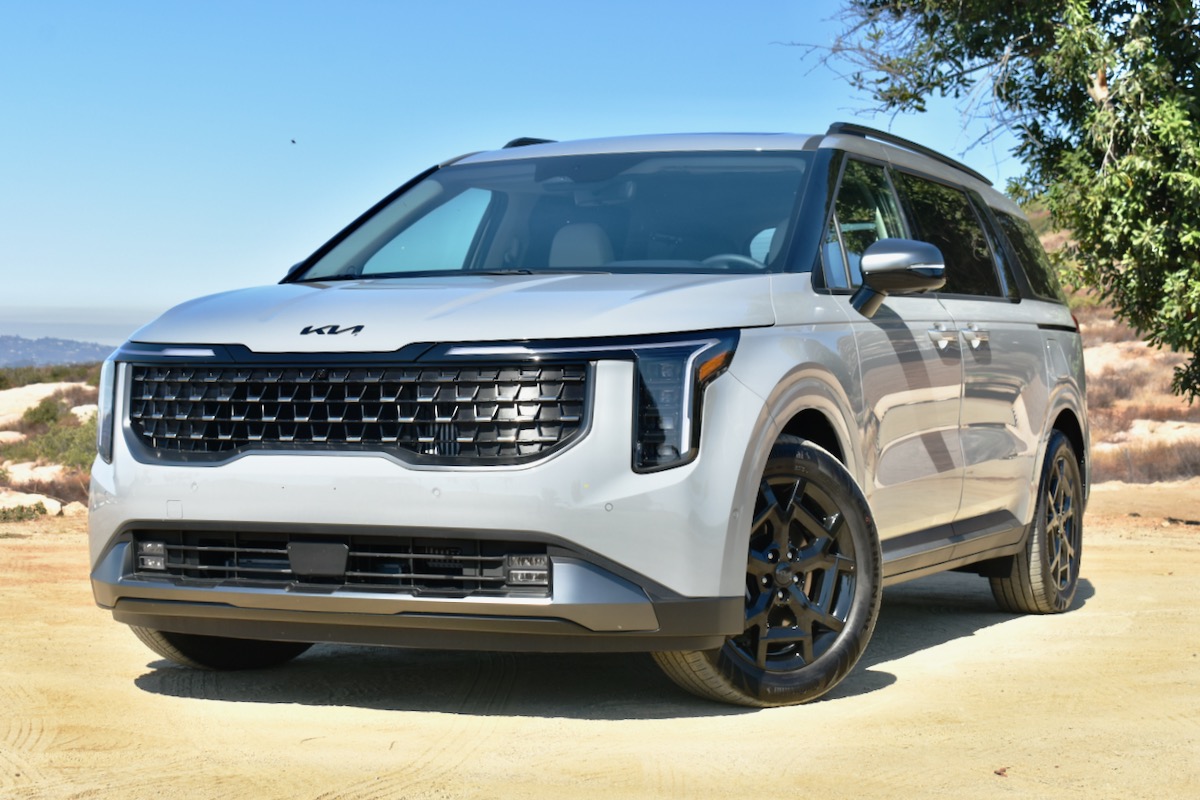
The Carnival Hybrid brings an efficient option to Kia's minivan lineup, pairing a 1.6-liter turbocharged four-cylinder with an electric motor for 242 hp and 271 lb-ft of torque, routed to the front wheels through a six-speed automatic. EPA fuel economy is a strong point at 33 MPG combined (34 city/31 highway), a big step up from the non-hybrid V6 model. On the road, the hybrid's initial electric shove makes it feel eager off the line, while the rest of the driving experience stays true to the Carnival's strengths: confident steering, tidy handling for a large family hauler, and a quiet cabin.
Family usability remains a major draw, with standard seating for eight, power sliding doors on every trim, and a third row that folds flat. Kia quotes 40.2 cubic feet of cargo space behind the third row and up to 145.1 cubic feet with the second and third rows folded, which is excellent for road trips and big-box errands. Tech upgrades for 2025 include a 12.3-inch touchscreen with wireless Apple CarPlay and Android Auto, plus available features like a head-up display and rear-seat entertainment with dual 14.6-inch monitors. Safety ratings weren't available at publication time, but the Carnival Hybrid comes standard with a full suite of driver-assistance features, including automatic emergency braking and adaptive cruise control with stop-and-go; note that AWD isn't offered, and towing tops out at 2,500 pounds.
The CarGurus Verdict: "The Carnival's new hybrid powertrain enhances an already-impressive package." - Stephen Edelstein
Read our most recent Kia Carnival Hybrid review
The Best Hybrid Minivans FAQs
Are there any plug-in hybrid (PHEV) minivans? The Chrysler Pacifica Hybrid is the only plug-in hybrid minivan currently available in the US. It offers an EPA-estimated 32 miles of all-electric range before the gasoline engine takes over, making it ideal for short trips and commutes if you can charge it regularly.
Which hybrid minivans offer all-wheel drive (AWD)? The Toyota Sienna is the only hybrid minivan on this list that offers the option of AWD. This makes it a strong contender for families living in climates with snowy or icy winters who need extra traction. The Chrysler Pacifica Hybrid and Kia Carnival Hybrid are both FWD only.
How do the fuel economies of hybrid minivans compare? The Toyota Sienna with FWD leads in EPA estimates with up to 36 MPG combined. The Kia Carnival Hybrid is also very efficient, rated at 33 MPG combined. The Chrysler Pacifica Hybrid operates differently; it achieves an impressive 82 MPGe combined when factoring in its electric range and returns 30 MPG combined when running as a traditional hybrid.
Do you lose any features by choosing a hybrid minivan? Sometimes, yes. The most notable example is the Chrysler Pacifica Hybrid. Because its large battery pack is stored under the floor, it cannot be equipped with the popular Stow 'n Go second-row seats that fold into the floor. Instead, it comes with captain's chairs that must be manually removed to maximize cargo space.
What Makes CarGurus Best Cars Guides Different?
Most car-shopping websites publish lists of the best cars across a variety of categories, with recommendations generally driven by editorial expertise. Here's what makes ours different: In addition to the insights and verdicts of our team of car-testing experts, our best cars guides take into account other factors that we know matter to buyers-real owner experiences and current market value.
Our expert reviewers are among this country's most trusted automotive journalists, also writing for publications including US News and World Report, Edmunds, Digital Trends, J.D. Power, and Car & Driver. They put each car through real-world testing and create detailed reviews of performance in a range of categories, from practicality and driving manners to cost-effectiveness and safety.
We also analyze hundreds of thousands of used car listings on CarGurus.com to track which models consistently offer the highest percentage of best deals relative to how many are listed for sale. Then we factor in reviews from owners-people who actually live with these cars every day. Our proprietary Best Cars algorithm then creates a final Overall CarGurus rating combining expert scores, user reviews, and the percentage of listings that have earned the Good or Great Deal rating. This multi-pronged approach reveals not just which cars excel on paper, but which ones deliver satisfaction and value when you're ready to buy.
The CarGurus market data used in this guide was last updated in March 2026. Values were accurate at time of publication and should be used as a guide only.