If the price of a used car seems too good to be true, oftentimes it’s because that vehicle has a rebuilt title. States have different labels for such cars, including reconstructed, rebuilt from salvage, revived salvage, and restored salvage, but these terms are all essentially the same. A rebuilt title means the car was once declared a total loss (or “totaled”) by an insurance company due to damage from a crash, flood damage, hail damage, theft, or other type of damage but instead of being sent to a junkyard, it was repaired sufficiently enough to pass a state inspection and be declared roadworthy. You can identify whether a vehicle has a rebuilt title by running its Vehicle Identification Number (VIN) through a lookup website or app.
This article covers everything you need to know about rebuilt title cars, including the benefits, risks, and challenges involved with purchasing and owning a salvage title car.
What is a Rebuilt Title and What You Need to Know
- Understanding Rebuilt Titles
- Pros and Cons of Buying a Car with a Rebuilt Title
- Insurance and Financing for Rebuilt Title Cars
- Inspecting a Car with a Rebuilt Title
- Title Laws and Regulations

Understanding Rebuilt Titles
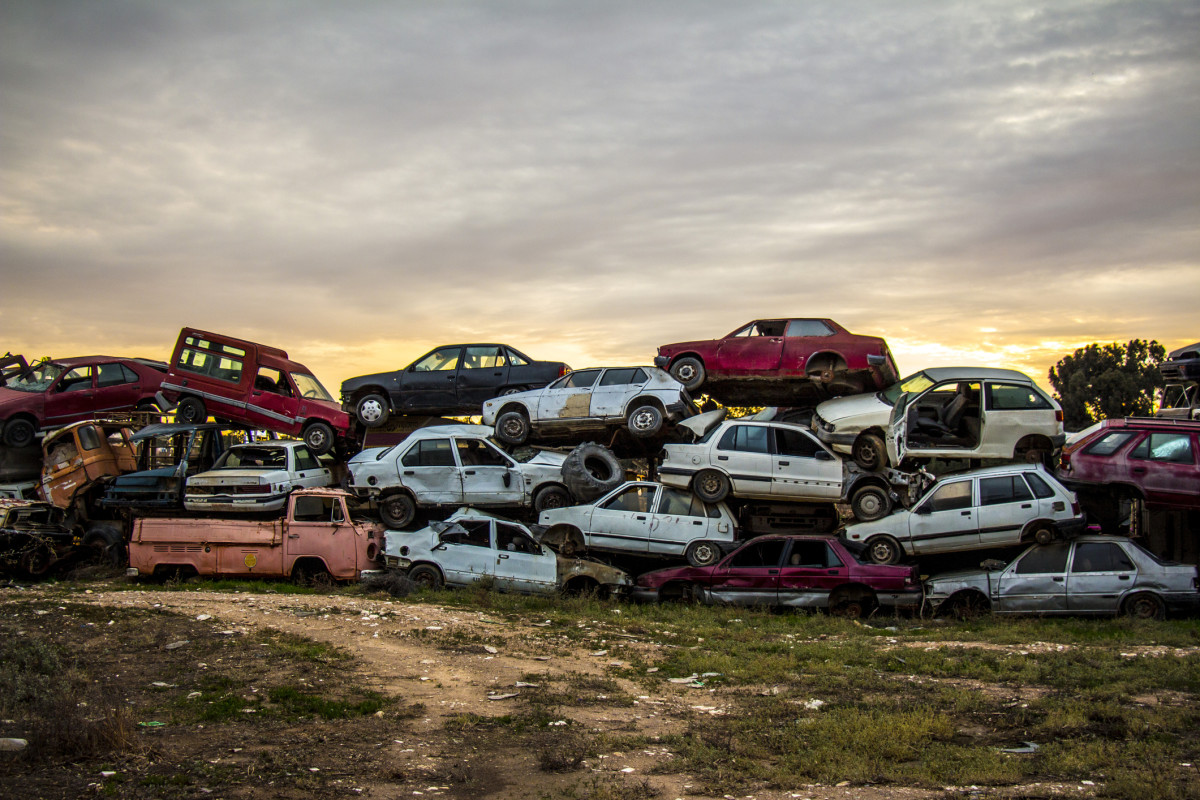
When a vehicle suffers enough damage that the cost of repairs exceeds the vehicle’s worth, instead of footing the repair bill, car insurance companies will write a check to the owner and issue the vehicle a salvage or junk title, which indicates that the car is unsafe to drive. Most of the time, such vehicles go to a junkyard and are stripped for parts before being crushed. But occasionally, such cars are repaired, inspected, and issued a rebuilt title. This makes them eligible to be registered and driven on public roads.
The car will carry the rebuilt title for the rest of its life, with the brand appearing on its vehicle history report. Such a thing will immediately scare many potential buyers away from the car, as salvaged vehicles typically don’t operate as well as never-damaged cars, and many experience lingering problems. But for the right person who knows what they’re getting themselves into, a vehicle with a rebuilt title can be a steal no matter what the Carfax says.
Pros and Cons of Buying a Car with a Rebuilt Title
When car buying, shopping for a vehicle with a rebuilt title has advantages and disadvantages. Most often and for most shoppers, the cons outweigh the pros.
Pros:
1. Lower purchase price: One benefit to buying a used vehicle instead of a new car is cost, and rebuilt title cars double down on that. Vehicles with rebuilt titles are typically much cheaper to buy than those with clean titles—we’re talking thousands of dollars less.
2. Slower depreciation: Because rebuilt title cars have already lost considerable value by virtue of their condition, they usually don’t depreciate as quickly as clean title cars. This means you can likely buy the car for cheap and resell it later for close to what you bought it for.
3. Environmental benefit: Instead of being scrapped, the damaged vehicle is repaired and put back on the road, which reduces waste.
4. Luxury features for less: Since rebuilt vehicles are heavily discounted, you can end up with a vehicle that has a higher trim level, better features, and more options than a similarly priced clean title car.
Cons:
1. Repair quality and risk of hidden damage: The quality of a rebuilt car’s repairs can vary. For instance, the shop may have used aftermarket parts that are not as high quality as the original equipment manufacturer (OEM) parts spec’d by the automaker. Or it’s possible that the mechanics might have overlooked something with the suspension or steering system that causes a problem later on. Other repairs, like a paint job, may have no effect on the car’s safety, but it can have a significant impact on the look of the car and its value as it gets older. To minimize the risk of purchasing a car with unseen issues, ensure that it was fixed by a reputable shop and ask for pictures of the car’s condition before and after the repair as well as a list of materials and time spent on the job. Ask a trusted mechanic to look over the documents for you to spot any red flags.
2. Resale difficulty: Many car shoppers are justifiably wary of a motor vehicle with a salvage history, which limits the number of potential buyers and lowers the resale value. Even if the repairs were performed well and the car is in good condition, it may take a while to sell a rebuilt title vehicle, and the mere presence of a rebuilt title will always reduce the value of the car.
3. No warranty: As a general rule, manufacturer warranties become void when a car is totaled, no matter the age of the vehicle. It’s possible that an independent dealership will offer an extremely limited warranty on a vehicle with a rebuilt title, but in most cases, the car will be sold as is, without any kind of consumer protection. Once the car is driven away, any issues belong to the new owner.
4. Difficulty finding insurance: The insurance industry is built on analyzing risk, and rebuilt cars often pose too great a financial risk for automotive insurers to back, which we discuss in more detail below.

Insurance and Financing for Rebuilt Title Cars
A rebuilt title means the car has suffered major damage in the past, so obtaining auto insurance and financing for a rebuilt title car can be challenging. This is something every prospective buyer should research before agreeing to a purchase price and putting down a deposit.
Some insurance companies will simply be unwilling to insure a rebuilt title vehicle. Those that will often limit the protection to liability coverage, meaning the insurance company will pay out for damages and injuries that the vehicle causes to others, but it won’t cover the cost of repairing the vehicle itself. If you’re able to find a company that provides full coverage, you’ll likely have a high premium for it due to the car’s history. So even if you bought the car for a bargain, savings on the purchase price can be erased by ownership costs, making a “great deal” not so great.
If you can’t pay for the vehicle outright with cash, know that financing may also be tricky. Given how difficult it is to know the quality of the repairs, lenders are reluctant to provide loans on rebuilt cars due to the higher risk involved and the lower value of the vehicle. They need to consider things like: If a buyer defaults on the loan, will the lending company be able to recoup the cost of the loan through repossession? Companies that will finance rebuilt cars often require high interest rates and strict terms, such as a large down payment.
Inspecting a Car with a Rebuilt Title
Before purchasing a rebuilt car, it’s a very good idea to have an independent mechanic inspect the vehicle to evaluate the quality of the repairs. This may cost you some money, but it’s worth it to know upfront about potential issues than have expensive surprises crop up down the road. Note that this sort of pre-purchase inspection is different than the inspections required by the Department of Motor Vehicles (DMV) in many states.
An inspection should focus on the following areas:
-
Structural integrity: Knowing the vehicle is safe cannot be done just by looking at the car. The mechanic should ensure that any frame or body damage was properly repaired and that there are no safety risks.
-
Mechanical systems: Have the engine, transmission, suspension, and other critical components thoroughly checked for issues. This is especially true of vehicles that have experienced flooding or a severe front-end collision, as such damage is difficult to fully address.
-
Electrical systems: Electrical systems in cars are complicated, and it’s easy to overlook an issue. Be particularly wary of this in flooded cars. A glitch now could turn into a big problem later.
-
Rust: It’s very difficult to restore a rebuilt car’s body protection to factory level. If the paint job is poor in places, it’s more susceptible to chipping, which can facilitate the spread of rust. The shop should check for signs of corrosion, particularly in areas like the undercarriage, around the engine, and near electrical components.
Title Laws and Regulations
Typically, a vehicle with a salvage title will undergo a thorough inspection by the state, ensuring that the vehicle is safe to drive, before it receives a rebuilt title. But the rules and regulations of the states differ. Some, like California, have strict requirements, including emissions tests and mandatory restoration of airbag systems. Others have more relaxed rules, which means that a car declared roadworthy in one state might not meet the standards in another. This could be an issue if you move to a place with stricter registration requirements. If that’s a possibility for you, make sure the rebuilt vehicle you’re considering will pass inspection before making the purchase.
When in doubt, it’s better to limit your search to clean title cars, as buying a problematic rebuilt car—even an incredibly cheap one—could bring you nothing but headaches and be difficult to unload.