You may have heard or seen the terms front-wheel drive (FWD) and rear-wheel drive (RWD) in your car shopping experience. These identify which set of wheels are being powered or turned by the engine or, in the case of electric vehicles, the electric motor. Both FWD and RWD drivetrains have advantages and disadvantages as part of the overall driving experience, which we explain below.
Front-Wheel Drive vs. Rear-Wheel Drive: Which Is Better?
- FWD Pros
- FWD Cons
- Popular Examples of FWD Vehicles For Sale
- RWD Pros
- RWD Cons
- Popular Examples of RWD Vehicles for Sale
- FWD vs RWD: What’s Best For You

FWD Pros
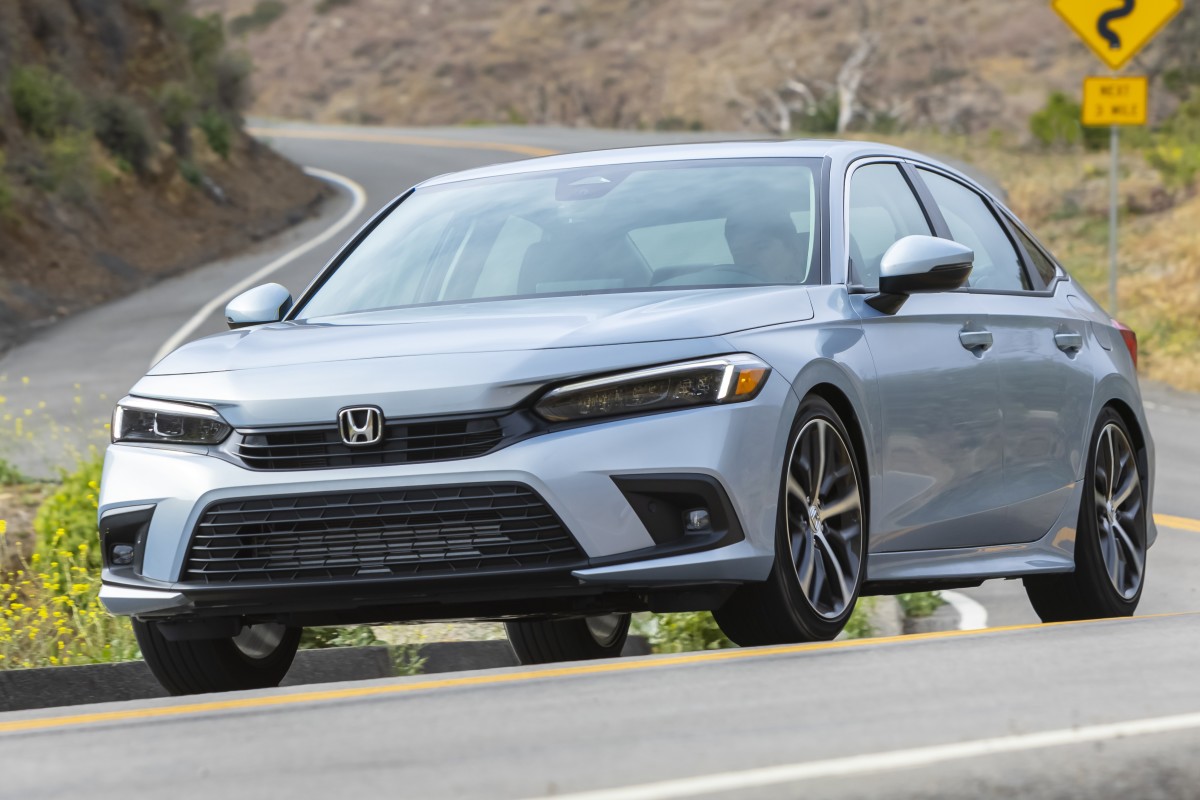
Fuel Efficiency: Front-wheel-drive cars are generally lighter than similarly sized RWD cars. This is mainly because FWD cars, with a transversely-mounted engine, don’t have a rear driveshaft (a long tube that delivers horsepower to the rear wheels). They also combine the mechanical bits required to motivate the front wheels with the transmission. (Technically, this is called a transaxle.)
Lower Costs: With fewer parts, FWD cars tend to cost less for automakers to develop and assemble. Those cost savings get passed on to consumers.
Traction: With the engine's weight and transaxle directly over the front tires, FWD cars have better traction, especially in wet or snowy conditions. All that weight presses the wheels downward.
Predictable Handling: FWD cars generally have benign handling that makes them easy to drive in slippery conditions. In normal, day-to-day driving, it’s quite difficult to make the rear wheels break loose in a FWD car the way they can slide out in a RWD vehicle, a condition that is called oversteer.
Interior Spaciousness: Because they offer a space-efficient engine and transaxle combination under the hood – and no driveshaft “hump” eating into the rear passenger floor – FWD vehicles are able to have a much more spacious interior. Rear-seat passengers in sedans may benefit the most.
AWD Modularity: The advent of EVs, in particular, has allowed automakers to easily add a power unit to a car’s rear wheels with comparatively limited complexity. These electronic drive units, like those employed on the 2025 Toyota Camry, don’t require a traditional driveshaft to create an AWD vehicle. That means automakers can build a single unibody that maximizes interior room, and at the factory, they can either equip it with front- or all-wheel drive (AWD). Because of its increased weight, all-wheel-drive systems could potentially impact fuel economy negatively compared to front-wheel-drive or rear-wheel-drive vehicles.
Notably, many EVs, such as the Ford Mach-E, come standard with RWD and have upgrades that turn them into AWD.
FWD Cons
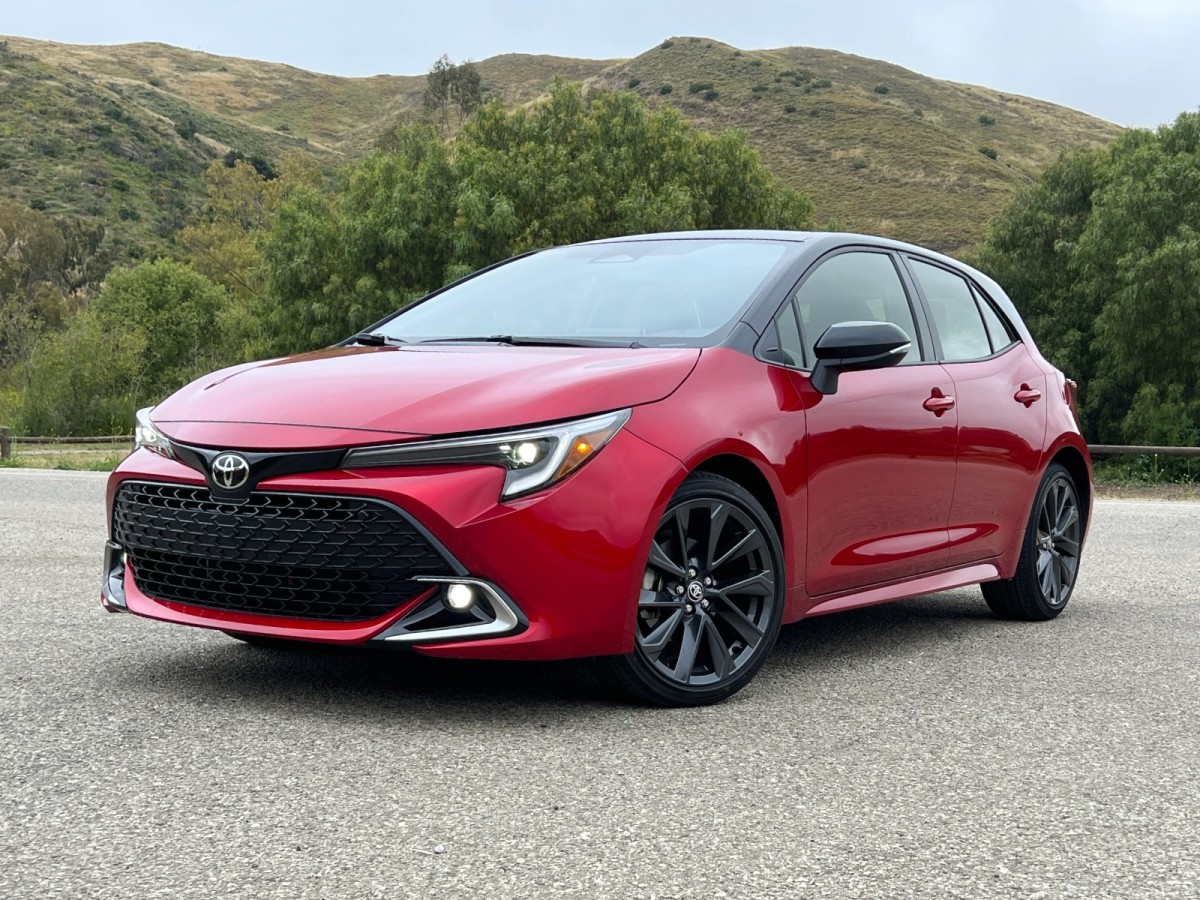
Torque Steer: Some powerful front-wheel-drive systems may exhibit torque steer, which means that engine torque or force unintentionally affects steering behavior. For most drivers who aren’t flooring their accelerators from a stop or in a low-speed turn, this isn’t an issue. But this unexpected tugging at the steering wheel can require some acclimation, requiring additional steering inputs from the driver.
Understeer and Weight Distribution: For serious enthusiast drivers, the benign understeer mentioned earlier is a liability rather than an asset. With the weight of the engine and transmission largely under the vehicle's hood, the ideal 50/50 weight balance between the front and rear tires prized by driving enthusiasts is a near impossibility. In extremely spirited driving, especially for those who take their vehicle to a closed race track, the ability to “steer with the throttle” and control vehicle rotation is more limited with FWD.
But, there are plenty of performance FWD vehicles from brands such as Honda and Hyundai that can outperform many rear-wheel-drive vehicles and are capable of better handling and better traction than you might expect from a typical sedan or hatchback. But because of their weight distribution, they will remain biased towards understeer rather than oversteer, in both low-speed and high-speed corners.
Limited Towing Capability: Few front-wheel-drive models are rated to tow as much as a RWD car can.
Popular Examples of FWD Vehicles For Sale

RWD Pros
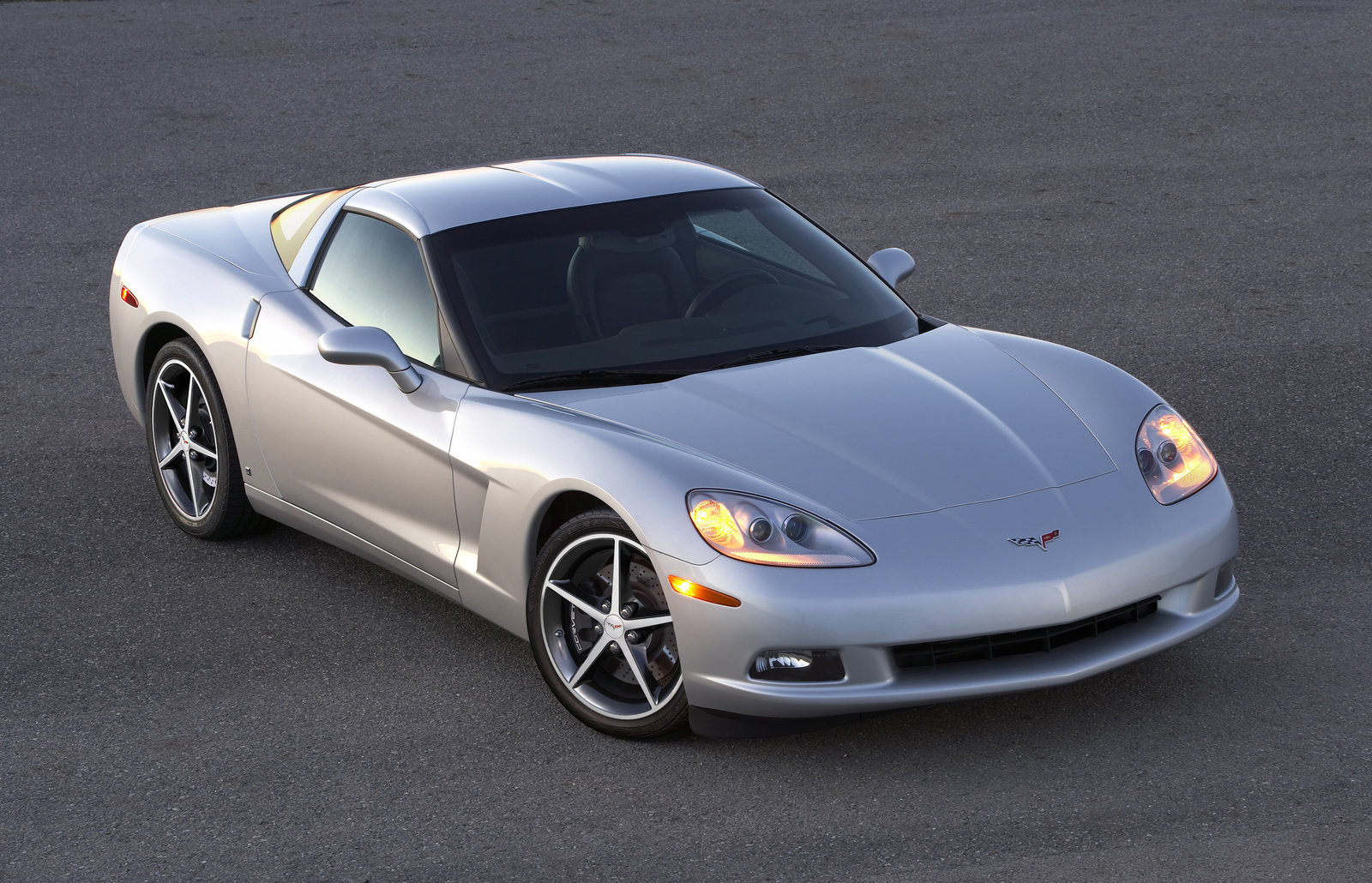
Better Balance: Rear-wheel-drive cars generally distribute their weight more evenly from front to rear since the transmission, driveshaft, and rear differential are located between the front-mounted engine and the rear of the car. Good weight distribution is key to making a car handle more predictably.
Better Performance: Not only do rear-wheel-drive vehicles corner with more front-to-rear weight balance, they can also usually launch faster. When a vehicle is floored from a dead stop, the weight distribution shifts rearward to the rear axle as the front end of the vehicle lifts and rear springs and shocks are compressed momentarily. This weight shifting to the rear tires aids traction in hard acceleration from a stop.
Admittedly, this is less of an issue today, when even the least-powerful cars on the market are quicker than average cars were in the 1990s. But even today we associate rear-wheel-drive cars with better handling and better traction, which is why most sports cars (think of Porsche and BMW) and race cars are driven by the rear tires.
Durability: Most rear-drive vehicles are larger trucks and SUVs built for hauling and towing, and they are usually engineered with more severe service duty capabilities. Off-road vehicles, even those with four-wheel drive, also tend to be based on rear-drive architecture for the same reasons.
Ease of Service and Repair: With the transmission sitting directly behind the engine, access to the entire drivetrain is improved compared to FWD cars, in which the engine and transmission are adjacent to each other in the engine bay.
Towing and Hauling: As mentioned before, RWD cars tend to be rated far higher for towing.

RWD Cons
Prone to Oversteer: The “fishtailing” or vehicle rotation in slippery or hard driving requires a skilled driver to manage, particularly with large amounts of engine power available to the driven wheels. That said, modern driver aids like electronic stability control (which mitigates fishtailing) and traction control (which limits tires spinning from a lack of traction) help overcome these shortcomings in modern vehicles. Inclement weather conditions, especially snowy conditions, will activate these electronic aids more frequently with RWD.
Interior Spaciousness: With a driveshaft running just under or even through the rear floor, automakers must either introduce a “hump” into the rear passenger floor or raise the height of the rear floor to accommodate the driveshaft; this raised floor often carries over into the cargo space behind the rear seats in an SUV or into the truck in a car. Either way, interior space is reduced.
Fewer Choices: For many of the reasons we’ve already discussed, there aren’t many RWD cars on the market today. Electrification might change that, though, as automakers have a lot of flexibility in mounting compact electric motors of EVs at the rear of the vehicle. For instance, every Tesla model has traditionally been available with either RWD or AWD.
Value for the Money: RWD vehicles tend to cost more, especially since they’re prevalent in more expensive sports cars and larger pickup trucks and SUVs, both of which are generally more expensive than smaller vehicles.
Popular Examples of RWD Vehicles For Sale

FWD vs RWD: What’s Best For You?
Which setup is best for your needs probably depends on many factors: what vehicle models appeal to you most, where you live, and how you plan to drive your vehicle. Most cars aren’t available in either front- or rear-wheel drive, so your preferred vehicle may effectively make that decision for you.
Front-wheel-drive cars are fine for most consumers. Even those regularly encountering cold or wintry weather can opt for winter or snow tires, which should alleviate many traction concerns. Rear-wheel-drive cars are usually best for enthusiasts looking to maximize handling.