The number of electric vehicles (EVs) on the road has grown dramatically over the past decade, but only the most impressive, well-equipped models with strong real-world range and low running costs have made a genuine impact in recent years. Because technology moves so quickly in this segment of the new car market, used examples can lose value rapidly — dropping to a fraction of their original sticker prices.
Even better, used EV tax credits from the federal government, combined with various state-level incentives and rebates, are welcome news for budget-conscious drivers. As long as the used EV is older than a 2023 model and is priced under $25,000 at the dealership, it may qualify for a $4,000 federal tax credit (subject to change).
If you don't need the very latest connectivity features and cutting-edge tech found in brand-new EVs, and you're comfortable with a somewhat shorter range, a used EV can deliver reliable, ultra-affordable ownership for years down the road. It's also worth noting that installing a home charger goes a long way toward eliminating range anxiety and reduces your dependence on the public charging network.
Let's take a closer look at some of the best used electric cars on the market today — models that deliver serious value for the money.
The Best Used Electric Cars 2026
- Chevrolet Bolt EV
- Ford Mustang Mach-E
- Hyundai Kona Electric
- Jaguar I-Pace
- Kia Niro EV
- Kia Soul EV
- MINI Cooper SE
- Nissan Leaf
- Tesla Model 3
- Tesla Model S
- Volkswagen e-Golf
FAQs What Makes CarGurus Best Cars Guides Different Shopping Tools Related Topics
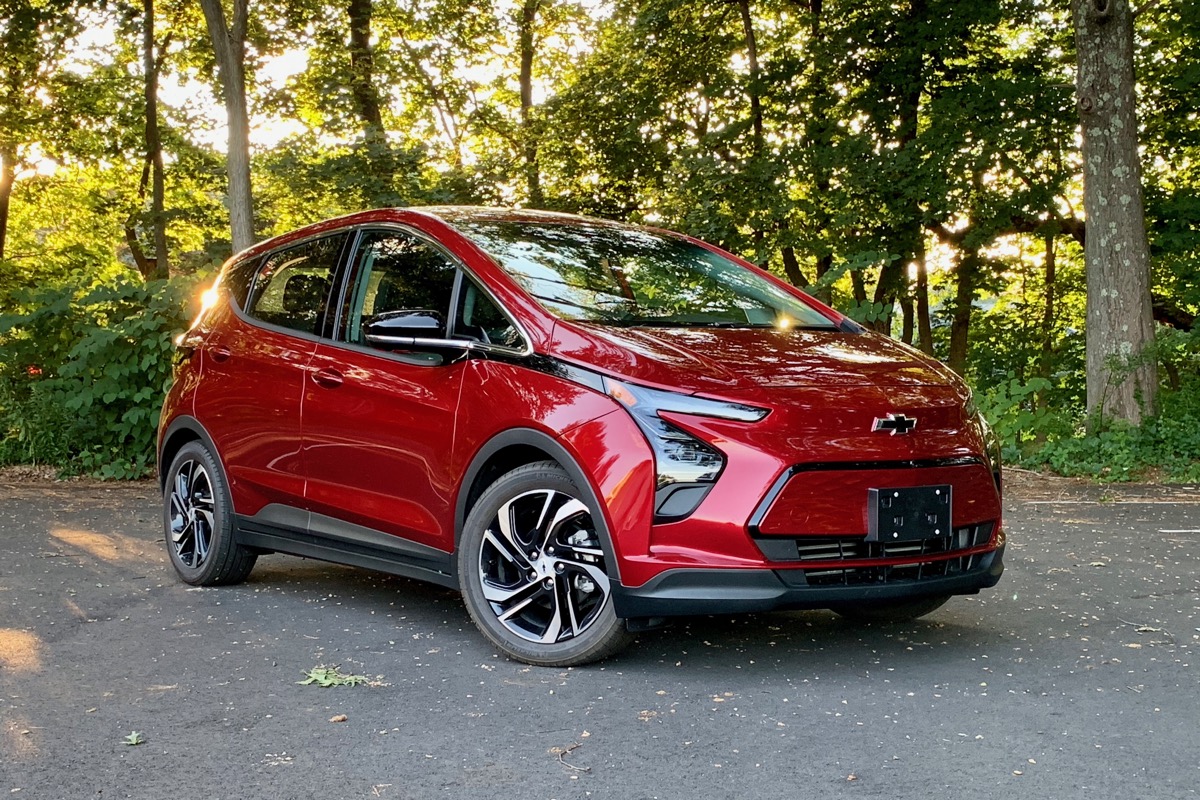
Chevrolet Bolt EV
Years built: 2017-2023
The original Chevy Bolt EV, produced through the 2023 model year, may well be the standout bargain on this entire list. While it endured a difficult chapter involving a major nationwide stop-sale order and a battery recall, the remedied Bolt EV is a genuinely excellent small car by any measure — electric or otherwise. Older examples are widely available for under $20,000 with reasonable mileage, and they're nearly as capable as later models, though only 2022 and 2023 versions received GM's Super Cruise hands-free driving system.
When it launched in 2017, the Bolt EV's 238-mile EPA-rated range was impressive, and Chevrolet extended that to 259 miles for 2020. That's more than enough for all but the most demanding daily commutes, and the Bolt is notably energy-efficient to operate. It supports charging at up to 55 kW and can go from 10% to 80% in about an hour at common 50-kW DC fast chargers. On a 240-volt home outlet, a full recharge takes around ten hours — not lightning fast, but perfectly manageable overnight.
Overall battery longevity is solid as well. The Bolt EV is genuinely enjoyable to drive, powered by a 66-kWh battery and a single electric motor producing 200 horsepower and 266 pound-feet of torque. Its compact dimensions and capable handling make it a spirited city car, and there's enough room for four adults to ride in reasonable comfort. Some shoppers may still harbor reservations about the LG-sourced batteries given their troubled history, but those who take the plunge will find a practical hatchback with a lively powertrain, user-friendly tech, and surprisingly generous interior space. If you're searching for a used electric city car, it's also worth considering the BMW i3, which is available either as a pure EV or in what BMW calls a 'range extender' configuration with a supplemental plug-in hybrid drivetrain.
An all-new Chevrolet Bolt EV is expected to arrive in late 2025.
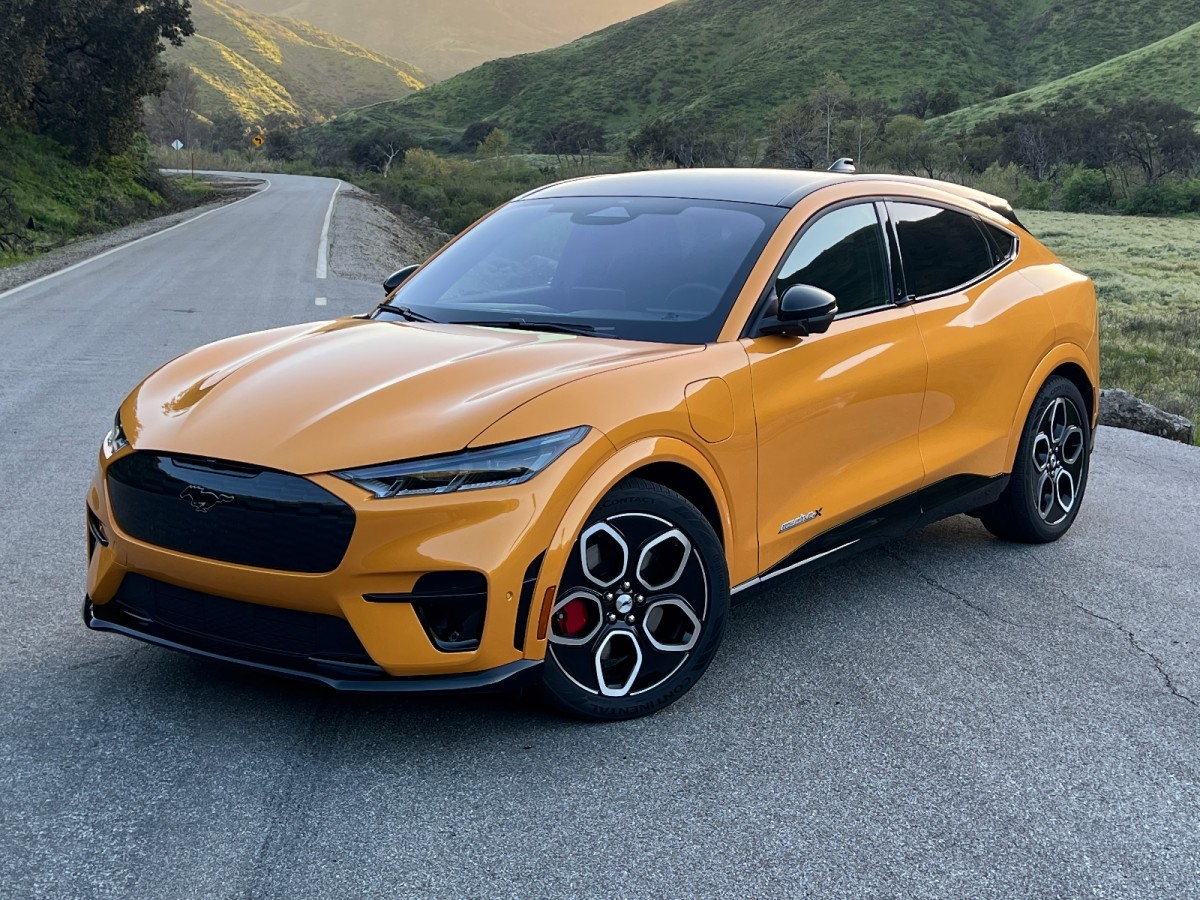
Ford Mustang Mach-E
Years built: 2021-Present
The Mustang Mach-E sparked plenty of debate when Ford applied its legendary muscle car badge to an all-electric crossover. But the vehicle's performance credentials, striking design, and competitive range have won over most skeptics. The lineup spans a wide range of configurations, including rear- or all-wheel drive, power outputs stretching from 266 to 480 horsepower, and two battery sizes — standard and extended range. Most budget-friendly early Mach-Es feature the smaller standard battery, offering roughly 210 to 230 miles of range on a full charge. Extended Range versions push that figure closer to 280 to 300 miles. All variants support DC fast charging at up to 150 kW.
Every Mach-E is equipped with an impressive 15.5-inch touchscreen running Ford's Sync 4 infotainment system. The large display handles two functions simultaneously and delivers smooth, intuitive navigation through menus and features. The roomy, light-filled interior comfortably seats up to five passengers, and outward visibility is good in all directions.
While it may not deliver the same visceral thrills as a traditional two-door gas-powered Mustang, the Mach-E is genuinely fun to drive by family crossover standards — and easy on the eyes, too. The GT and GT Performance editions are the quickest in the range, but even the base models hold their own on a winding road.
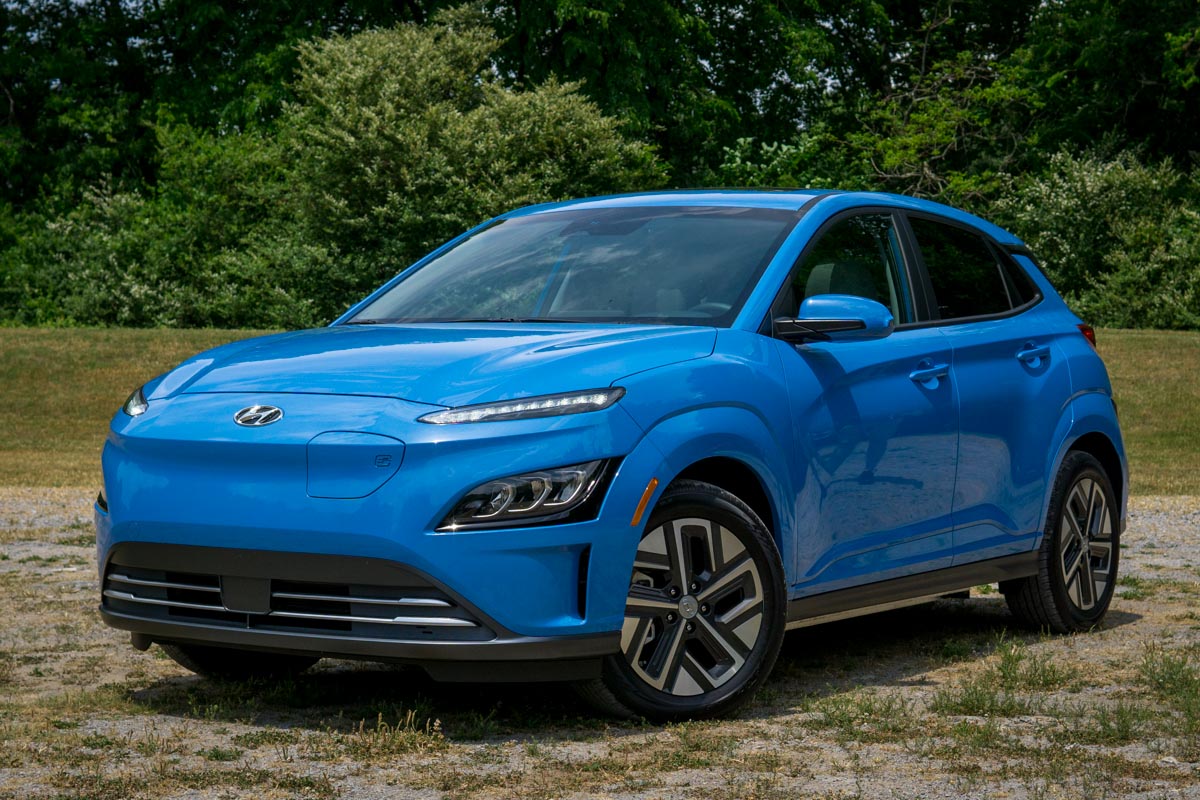
Hyundai Kona Electric
Years built: 2019-present
Before the Hyundai Ioniq 5 arrived and captured the spotlight, the original Hyundai Kona EV was the go-to practical electric crossover with genuinely competitive range. Its 150-kW electric motor delivers 201 horsepower and 291 pound-feet of torque to the front wheels — not quite in Lucid Air territory, but more than peppy enough for everyday driving. The Kona EV handles city streets and highway cruising with ease, aided by the immediate surge of torque that all EVs provide.
With an EPA-rated range of 261 miles, it outpaces several rivals on this list. When it's time to recharge, the 66-kWh battery pack supports charging at up to 100 kW, meaning a compatible 150-kW fast charger can take it from 10% to 80% in roughly an hour.
Hyundai keeps the tech approachable and easy to navigate. Older Kona EVs feature a 7- to 10.3-inch touchscreen with Apple CarPlay and Android Auto, six speakers, USB ports, SiriusXM, and HD radio. A comprehensive suite of driver assistance technologies — including automatic emergency braking, forward-collision warning, and blind-spot monitoring — comes standard. The Kona Electric's main limitation mirrors that of its gas-powered sibling: rear-seat space is on the tight side. And while the conventional Kona offers available all-wheel drive, the electric version is front-wheel drive only.
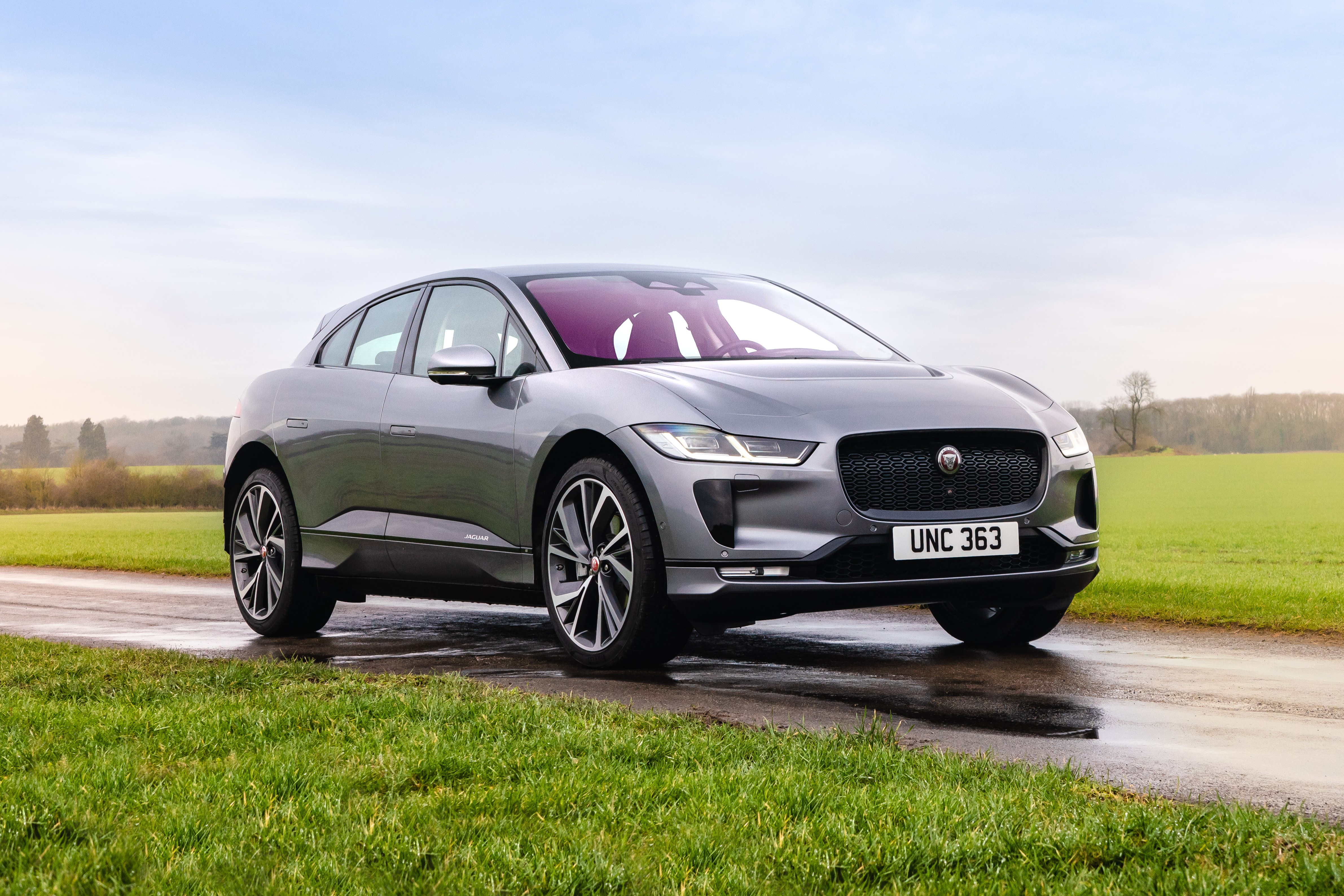
Jaguar I-Pace
Years built: 2018-2024
Just how fast does EV technology move? Not long ago, the Jaguar I-Pace was one of the most coveted electric vehicles on the planet, claiming prestigious titles including World Car of the Year and European Car of the Year. Today, Jaguar no longer produces the I-Pace. Part of that comes down to its lofty pricing and Jaguar's broader brand challenges, but the I-Pace also struggled to keep pace with a rapidly advancing field of competitors — despite price cuts and increasingly generous standard equipment. The result? Steep depreciation, as is common with Jaguar products.
For used car shoppers, though, that depreciation is a genuine opportunity. A top-trim, fully loaded I-Pace that listed for nearly $83,000 new in 2020 can now be found in the $20,000s with some careful searching. Lower S and SE trims are available for even less. The I-Pace remains a rewarding driver and still carries that unmistakable Jaguar presence, even at bargain-bin prices. Each model comes equipped with a 90-kWh battery pack offering up to 246 miles of range, and a standard dual-motor all-wheel drive system producing 394 horsepower and 512 pound-feet of torque. It's quick, refined, and whisper-quiet — exactly what you'd expect from a Jaguar.
The cabin is comfortable, luxurious, and serene, with enough room for four adults to travel in style on long journeys. The hatchback crossover body style also provides a useful amount of cargo space. There are a few drawbacks to keep in mind, however. Jaguar's dealer network has thinned considerably, which can complicate servicing. And while the I-Pace can fast charge from 10% to 80% in as little as 40 minutes, Level 2 home charging times are on the lengthy side.
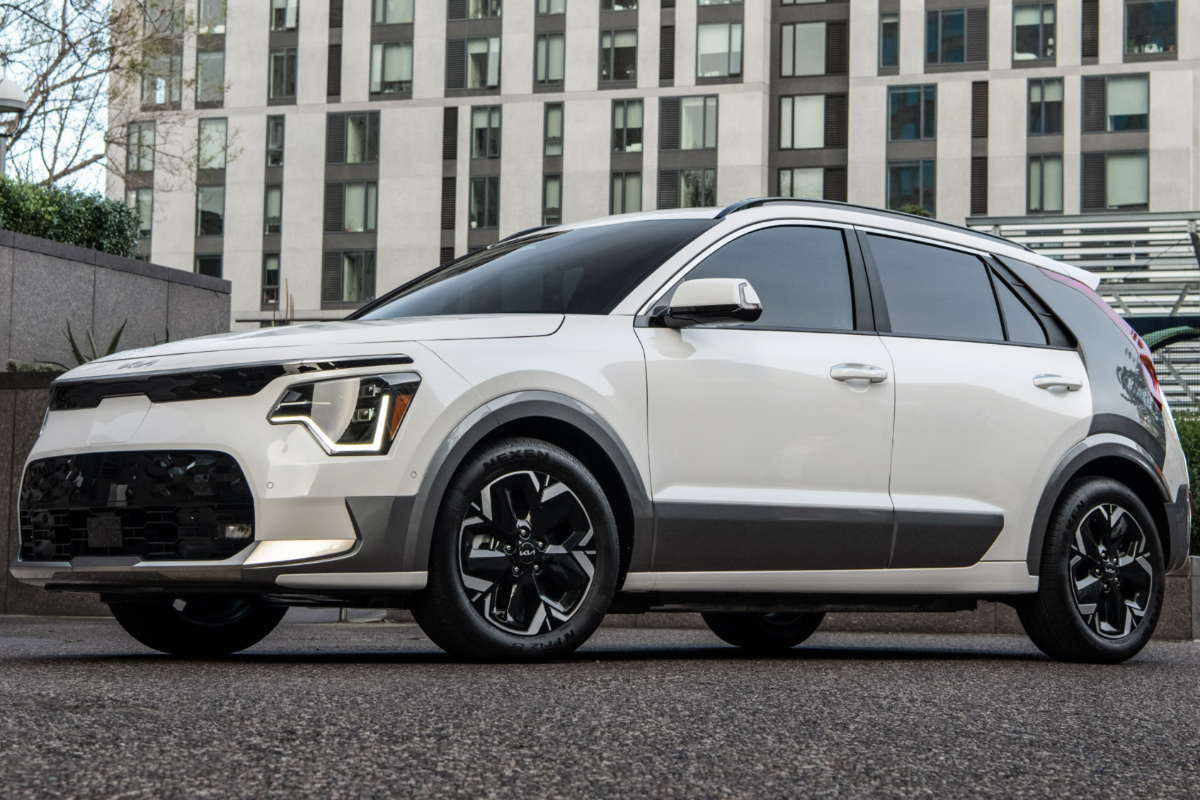
Kia Niro EV
Years built: 2019-present
The Kia Niro EV pairs user-friendly technology with a surprisingly spacious interior for its class, all backed by a strong list of standard features. The Niro EV's electric motor produces 201 horsepower, and its EPA-rated range of 253 miles is genuinely usable for most daily drivers. Charging on a standard 120-volt household outlet is painfully slow, but the Niro EV supports DC fast charging, which can restore 80 percent of the battery in roughly 45 minutes. It also makes the most of every kilowatt-hour, returning an efficient 113 MPGe.
Kia's tech approach leans practical rather than flashy, but the interior is well-equipped: a 10.25-inch digital gauge cluster, a 10.25-inch touchscreen with wireless Apple CarPlay and Android Auto, wireless phone charging, and an available Harman Kardon audio system all feature. For drivers who aren't quite ready to commit fully to electric motoring, the Niro is also offered as a plug-in hybrid.
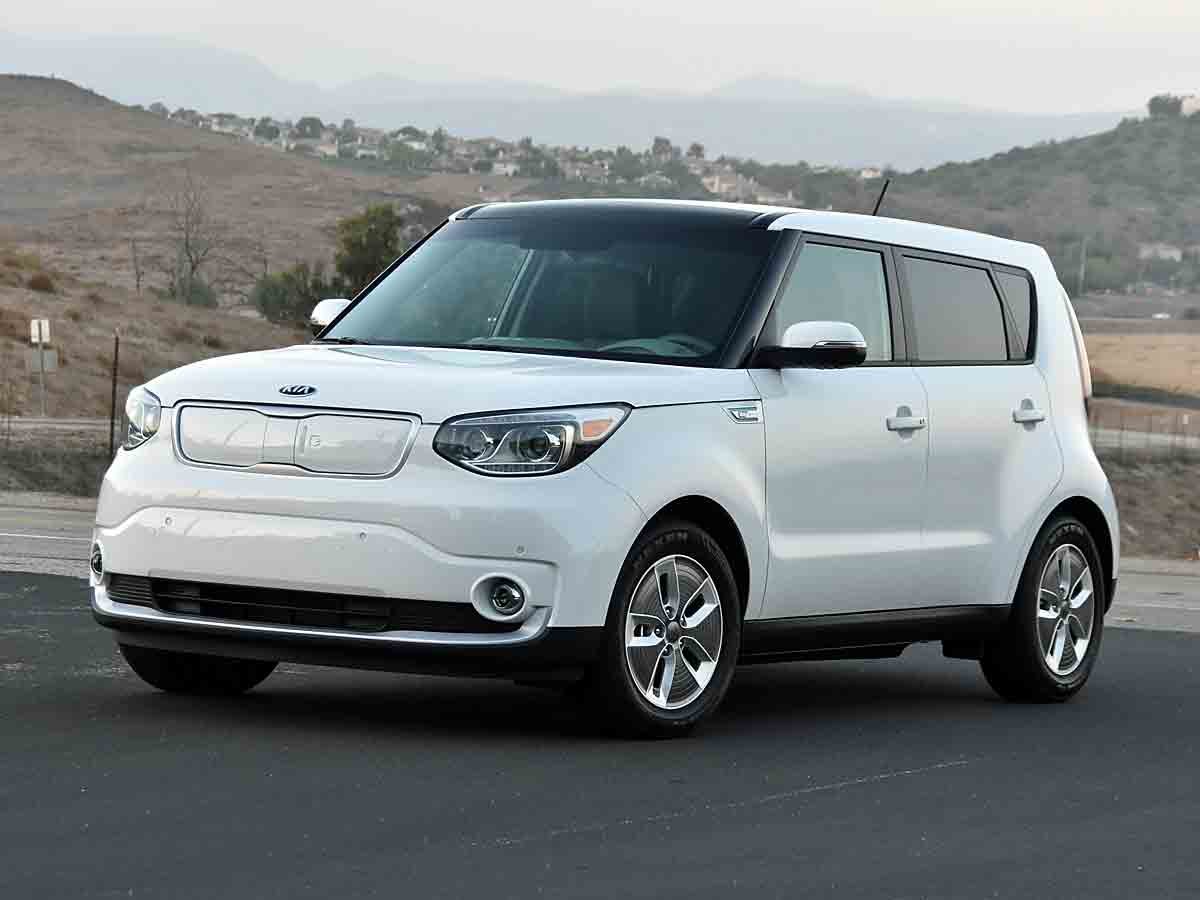
Kia Soul EV
Years built: 2015-2019
The Kia Soul EV was a solid new electric car, and it makes an even more compelling used one — provided it suits your lifestyle. Early models relied on a 27-kWh battery pack with an EPA-rated range of 93 miles, while 2018 and 2019 versions received a larger 30-kWh pack and a 111-mile range. Even accounting for some battery degradation over time, that's sufficient for most short commutes and local errands. The Soul EV supports charging at up to 100 kW, though it uses an older CHAdeMO connector, so an adapter may be needed at modern charging stations.
The Soul EV is also more entertaining to drive than the non-turbocharged gas-powered Soul. Despite producing only 109 horsepower compared to 130 in the standard model, the 210 pound-feet of torque dwarfs the gas version's 118, and it responds immediately when you press the accelerator. In any form, the Soul is an exceptionally versatile vehicle. Its boxy silhouette, tall roofline, and clever packaging make it a smart alternative to bulkier, pricier crossovers and SUVs. It can comfortably carry four tall adults, or two adults and three children, though cargo space is limited.
The Soul EV carried a premium price tag when new, but used examples with respectable mileage can now be found for under $10,000. It wasn't sold in all 50 states, and supply remains more concentrated on the West Coast and in California, though examples can be found across the country.

MINI Cooper SE
Years built: 2020-2024
Among the most driver-focused small cars on the market, the MINI Cooper also made a strong case for itself as an EV. The electric MINI may not quite match the razor-sharp handling of a gas-powered model, but it remains one of the most enjoyable EVs to pilot — especially if most of your driving happens around town. The compact 28.9-kWh battery offers only around 110 miles of range, but it charges quickly and affordably, making the Cooper SE an ideal second car or urban commuter. A new generation of the electric MINI Cooper is on the horizon, but in the meantime, the 2020-2024 MINI Cooper SE represents an affordable and fun entry point into used EV ownership.
Nissan Leaf
Years built: 2011-Present
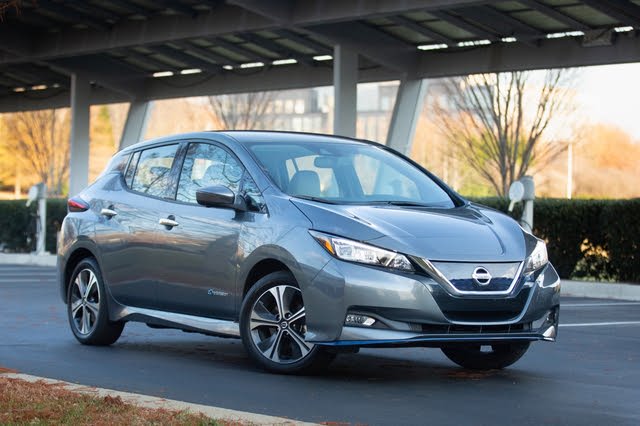
The first truly modern, mass-produced electric car, the Nissan Leaf debuted in 2009 and entered production the following year as a 2011 model. Its original 24-kWh battery pack, 107-horsepower motor, and 73-mile range were modest, but groundbreaking for the time. Over the years, the battery grew to 30 kWh and range stretched to 107 miles, though fast-charging capability was limited to the top SL trim. Nissan initially advised against frequent fast charging, and models without the fast-charge port require four to eight hours on a 240-volt outlet. The oldest examples tend to show significant battery degradation, so it's wise to target models newer than 2013 if you're shopping for a first-generation Leaf. That said, even excellent examples can be found for under $10,000.
The second-generation Leaf arrived in 2017 as a 2018 model, bringing updated styling, improved technology, and — at last — standard fast-charging capability. Like the Soul EV and the first-gen Leaf, it uses a CHAdeMO connector, making it the last EV to do so. In most other ways, the second-gen Leaf represents a significant step forward: 40- or 62-kWh battery options, and 147 or 214 horsepower choices, with the more powerful variant being a noticeably more satisfying drive. Range improves too, reaching up to 149 miles with the standard pack and up to 226 miles with the larger one.
The Leaf won't win any beauty contests, and it's not the most exciting car to drive, but its purchase price and running costs are hard to beat. Later models look and feel like contemporary small hatchbacks, come loaded with safety technology, and serve perfectly well as affordable everyday commuters.
Tesla Model 3
Years built: 2017-Present
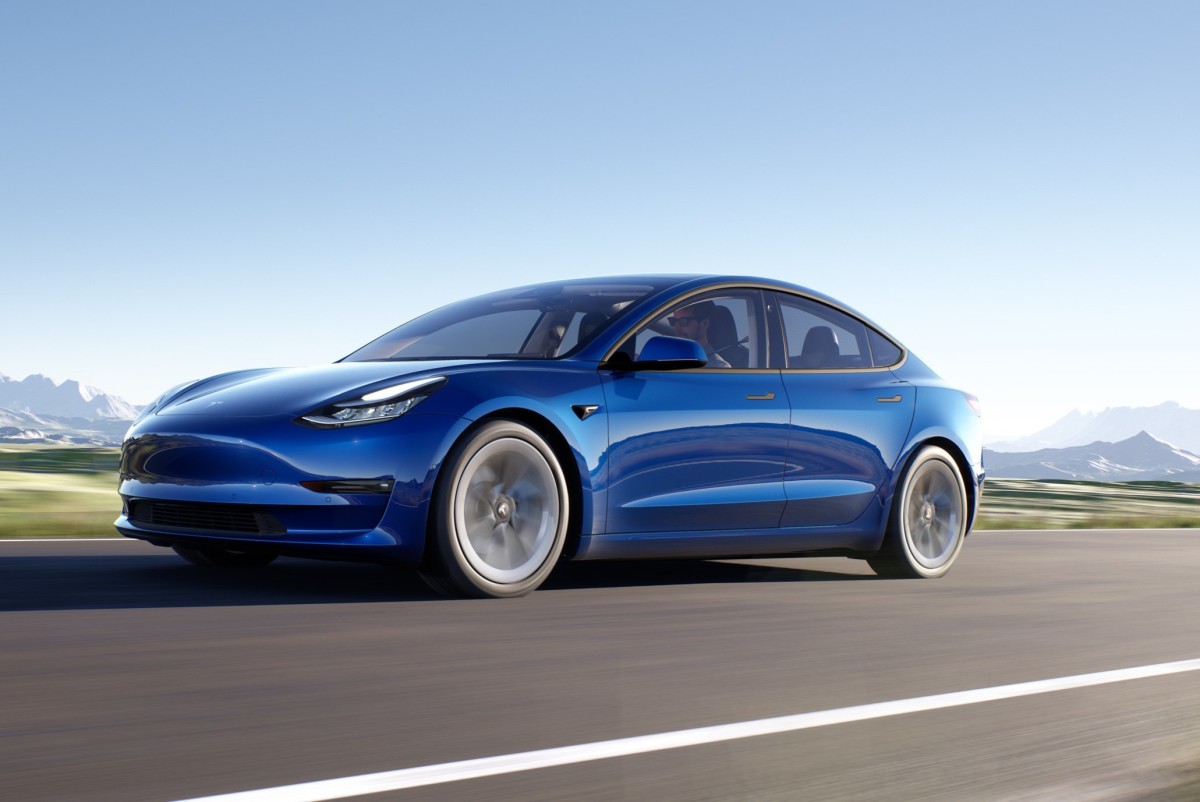
Tesla may never have fully delivered on the promise of a $30,000 brand-new Model 3, but eight years after its debut, the used market is full of Model 3s available for less than that figure. Thanks in part to rental fleets offloading lease returns, it's even possible to find examples under $20,000 — though those heavily used units come with caveats, and early production cars had their share of build quality issues. The same is true of the Tesla Model Y, but the Model 3 tends to offer better overall value in the used market.
The Model 3's status as one of America's best-selling EVs is well-earned. Key reasons include its strong range figures — no variant has ever been EPA-rated below 220 miles, and Long Range and Performance models have consistently achieved 300 miles or more — along with sharp handling, brisk acceleration, and genuine practicality. The rear seat is a bit snug for taller passengers, but cargo capacity rivals vehicles from much larger segments. Tesla's Supercharger network also makes public charging faster and more reliable than most alternatives.
When shopping for a used Model 3, pay close attention to range differences between trims and be aware that some models don't always meet their EPA estimates in real-world conditions. In 2023, Tesla revised the Long Range Model 3's rated range from 348 miles down to a more accurate 333. Battery health is especially important if you're considering a discounted former rideshare vehicle, which may have accumulated many fast-charging cycles. A diagnostic test mode can assess battery condition, but it can take up to 24 hours to complete — which not every seller is willing to accommodate. Most Model 3s with fewer than 100,000 miles remain under warranty.
Pricing varies considerably across the lineup, with the Model 3 Performance commanding the highest premiums. The main downsides of the 3 are its spartan cabin — which doesn't quite deliver a premium feel — and its heavy reliance on the central touchscreen for nearly all controls. The interface takes some getting used to, and neither Apple CarPlay nor Android Auto is supported. There's also no traditional instrument cluster.
Tesla Model S
Years built: 2012-Present
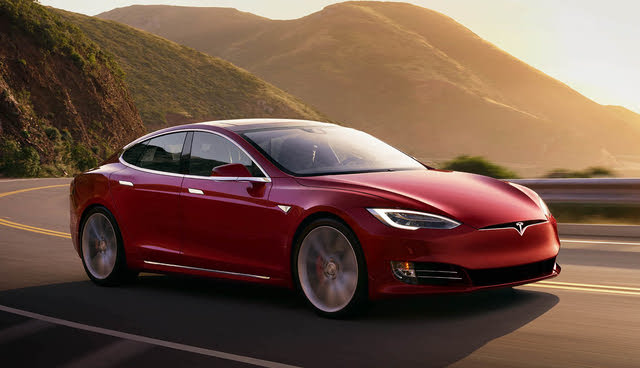
The car that made electric vehicles desirable to the mainstream and the long-reigning champion of EV range, the Tesla Model S was a landmark achievement when it launched in 2012 — and it's still being built today. Over the years, Tesla has offered numerous battery and powertrain configurations, spanning rear- and all-wheel drive, beginning with a somewhat confusing numbered naming system. Since a comprehensive refresh in 2021, Tesla has offered standard and high-performance "Plaid" variants, along with long- and standard-range options.
The Model S has always been quick. The early 60 produced 362 horsepower from a 60-kWh battery with around 210 miles of range, but successive variants — including the P85D, 90D, and Long Range — gradually pushed output beyond 400 horsepower and range past 370 miles. Since 2020, the standard (formerly Long Range) Model S has consistently delivered around 400 miles of range, and many versions sprint from zero to 60 mph in under four seconds. The Plaid, available since 2021, is in a different league entirely — offering straight-line performance comparable to a Dodge Charger Hellcat, but with dramatically greater efficiency. It commands a premium price, however.
Inside, the Model S offers comfortable accommodation for four adults and a generous array of screens, including a conventional instrument cluster absent from Tesla's more affordable models. The center display switched from portrait to landscape orientation in 2021, improving usability, though the cabin still leans heavily on digital controls. The interior is minimalist but materially superior to the Model 3, even if it doesn't quite match the opulence of a Mercedes.
Part of the Model S's enduring appeal lies in its comprehensive suite of standard driver assistance features — often costly options on European rivals — and access to Tesla's expansive Supercharger network, which remains the gold standard for public EV charging. Battery degradation is a consideration, particularly in cars that have been frequently fast-charged, but Tesla offers a diagnostic tool to evaluate battery health, and the hardware generally holds up well over time. The Model S has a great deal going for it, though it's worth noting that some individual vehicles may have been customized by previous owners in ways that don't transfer to new ownership. Reviewing any available service history before purchasing is strongly recommended.
Volkswagen e-Golf
Years built: 2015-2019
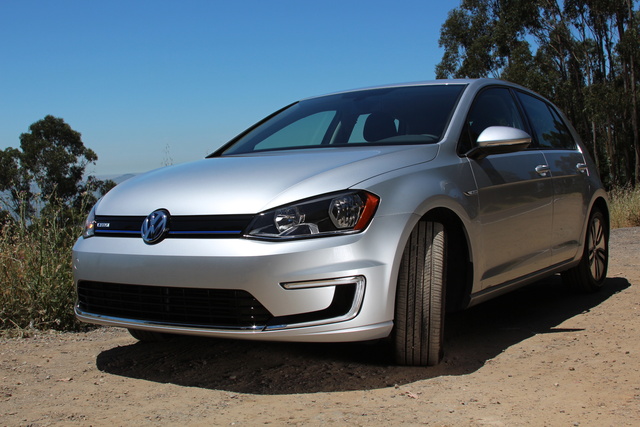
Like many mainstream automakers, Volkswagen made its initial foray into EVs by slotting an electric powertrain into an existing model. The e-Golf arrived in 2015 as a premium-positioned EV with a 24.2-kWh battery pack, 115 horsepower, and an 83-mile EPA-rated range. In 2017, Volkswagen upgraded the formula with a 35.8-kWh pack, 134 horsepower, and a 125-mile range. New, the e-Golf was pricey — top-trim examples carried an MSRP approaching $40,000 in 2019 — but used versions across all trim levels can now be found for under $15,000 with patient searching. Older, less sought-after trims tend to be the most affordable.
Of course, the e-Golf's appeal goes beyond its electric credentials. One of Volkswagen's primary goals was to make it drive and feel as close to a standard Golf as possible — and they largely succeeded. The electrified version weighs only 211 pounds more than its gas-powered counterpart, handles with the same confidence, delivers the same composed ride quality, and offers the same practical, well-built interior. It's as unpretentious as a compact hatchback can be.
The e-Golf supports DC fast charging at up to 50 kW, and given the modest size of its battery pack, charging sessions are relatively brief. A 240-volt home outlet can replenish the battery in under five hours. The limited range is the e-Golf's most notable constraint, but it's a genuinely pleasant car to drive and every bit as practical as the standard Golf in most everyday situations.
The Best Used Electric Cars 2026 FAQs
What is the best used electric car to buy on a budget?
The Chevrolet Bolt EV is arguably the standout bargain in the used EV market, with older examples widely available for under $20,000 and even strong range figures of up to 259 miles. The Kia Soul EV and Nissan Leaf are even more affordable options, with well-maintained examples available for under $10,000 — though their shorter ranges make them better suited to short commutes and local errands than long road trips.
Can you get a tax credit on a used electric car?
Yes — the federal government offers a $4,000 tax credit on used EVs, provided the vehicle is older than a 2023 model and is priced under $25,000 at the dealership. Many of the models on this list, including the Chevrolet Bolt EV and Volkswagen e-Golf, can be found well within that price threshold, making the credit a realistic benefit for budget-conscious shoppers.
How much range should I expect from a used electric car?
It depends on the model and how old it is, but many used EVs on the market today offer between 100 and 300 miles of range per charge. The Tesla Model 3 and Hyundai Kona Electric both deliver over 250 miles, while older or more affordable options like the MINI Cooper SE and first-generation Nissan Leaf offer closer to 110 miles — which is still plenty for most daily commutes, especially if you charge at home overnight.
Is a used Tesla Model 3 a good buy compared to other used EVs?
The used Tesla Model 3 offers a compelling combination of long range, sharp handling, and access to Tesla's Supercharger network, which remains one of the most reliable public charging options available. However, shoppers should be cautious with heavily discounted examples that may have come from rental or rideshare fleets, as frequent fast-charging cycles can affect battery health — and Tesla's battery diagnostic test can take up to 24 hours to complete.
What Makes CarGurus Best Cars Guides Different?
Most car-shopping websites publish lists of the best cars across a variety of categories, with recommendations generally driven by editorial expertise. Here's what makes ours different: In addition to the insights and verdicts of our team of car-testing experts, our best cars guides take into account other factors that we know matter to buyers-real owner experiences and current market value.
Our expert reviewers are among this country's most trusted automotive journalists, also writing for publications including US News and World Report, Edmunds, Digital Trends, J.D. Power, and Car & Driver. They put each car through real-world testing and create detailed reviews of performance in a range of categories, from practicality and driving manners to cost-effectiveness and safety.
We also analyze hundreds of thousands of used car listings on CarGurus.com to track which models consistently offer the highest percentage of best deals relative to how many are listed for sale. Then we factor in reviews from owners-people who actually live with these cars every day. Our proprietary Best Cars algorithm then creates a final Overall CarGurus rating combining expert scores, user reviews, and the percentage of listings that have earned the Good or Great Deal rating. This multi-pronged approach reveals not just which cars excel on paper, but which ones deliver satisfaction and value when you're ready to buy.
The CarGurus market data used in this guide was last updated in March 2026. Values were accurate at time of publication and should be used as a guide only.