CarGurus features an extensive selection of used cars for sale that demonstrates just how much your money can stretch in this corner of the market. Whatever you're searching for, there's a good chance you'll find it.
Buy based on condition, and there's every reason to believe that any car on this list could reliably surpass 150,000 miles. Some of these vehicles are barely warmed up at that point, so don't let high mileage scare you off.
And whether you're eyeing a Buick, Dodge, Chrysler, Hyundai, BMW, or Audi, don't allow any brand's reputation to steer you away. In used-car shopping, what matters most is attentive ownership and a documented maintenance history. Read through our guide to discover some strong candidates, and plan on taking one or two for a test drive when you spot the right one in your area.
The Best Used Cars Under $5,000 in 2026
- Acura TL
- BMW 3 Series
- Chevrolet Silverado 1500
- Jeep Grand Cherokee
- Kia Soul
- Mazda MAZDA3
- Nissan Leaf
- Saab 9-3 Convertible
- Toyota Prius
- Toyota Sequoia
FAQs What Makes CarGurus Best Cars Guides Different Shopping Tools Related Topics
Acura TL
Best for: Luxury car aspirants
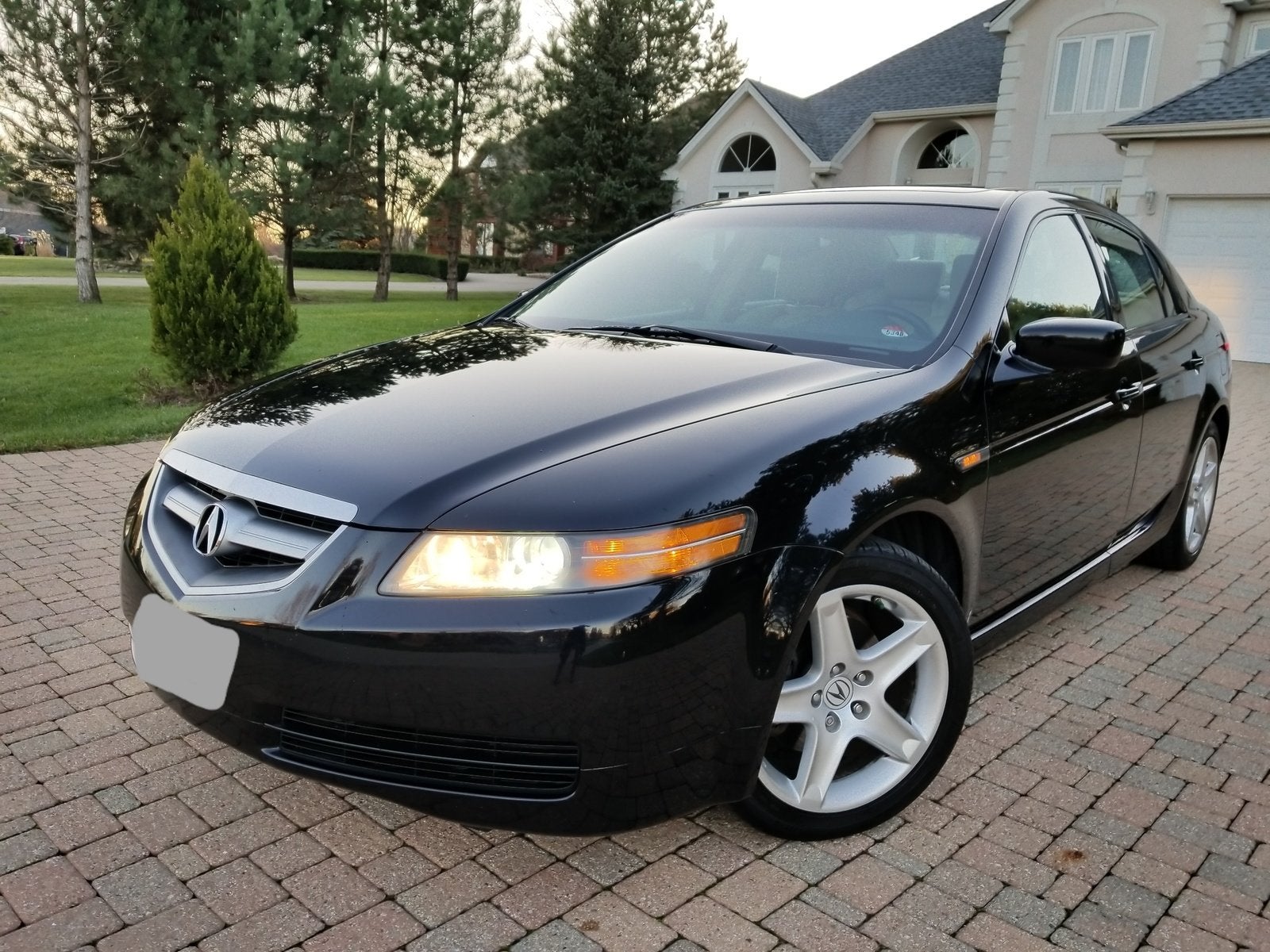
There's little reason to shop for an older Honda Accord when the Acura TL is waiting in the wings. These two cars share a great deal of DNA, but the TL elevates the experience with superior luxury touches — and these days, it'll cost you no more than the Accord. Acura moved a tremendous number of them when new, so tracking one down shouldn't require much effort.
These cars strike a nice balance between sporty and refined, yet they fly under the radar in the best possible way. They're not as omnipresent as the Toyota Camry or its Lexus ES sibling, but pick one in a darker shade and you'll disappear into traffic effortlessly — all while enjoying a polished, well-crafted cabin loaded with the kind of technology that was genuinely cutting-edge in 2005.
TL models up to around the 2006 model year can still be had for under $5,000. The Type-S can be tricky to come across, but if you manage to find one, it's a sharp-looking machine and arguably the most dependable pick on this entire list. With alloy wheels, woodgrain interior trim, and black perforated leather seating, it delivers remarkable value at the $5,000 mark.
BMW 3 Series
Best for: Discerning buyers of fine European automobiles on a budget
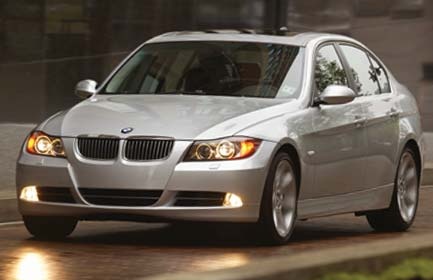
The E90/E92-generation BMW 3 Series remains a benchmark for European sedans. Built across the 2006 to 2012 model years, it has earned a strong following among enthusiasts for its blend of reliability, comfort, and refinement. These are genuinely attractive cars, and they occasionally turn up in some eye-catching colors — including a deep navy blue and a stunning metallic brown — that help them stand apart from the crowd.
While the performance-focused 335i trim delivers exhilarating turbocharged punch, the 325i, 328i, and 330i represent the better value proposition. Each is powered by a 3.0-liter inline-six producing between 230 and 255 horsepower depending on trim, paired with roughly 200 pound-feet of torque. You'll find them in either six-speed automatic or manual transmission form, and if a sedan isn't your style, convertible and coupe variants were produced as well. On the features front, most examples come fitted with a moonroof, but tracking down a "slicktop" — one without — will reward you with a touch more headroom. Some models even include backup cameras, impressive given that they're now well over a decade old.
Around $5,000 is a reasonable starting point for a well-maintained example, though it's wise to have any car you're considering inspected by an independent BMW specialist. Common age-related concerns include minor oil leaks, and sticking closely to the manufacturer's maintenance schedule is essential. As with virtually any European car from the past two decades, regular full-synthetic oil changes at 5,000-mile intervals are critical to keeping potential problems at bay.
Chevrolet Silverado 1500
Best for: Shoppers seeking a dependable vehicle for work and play
We've done this homework ourselves, and here's the honest takeaway: there's very little reason to chase a small pickup in this price range. Ford Rangers command absurd prices. Older Toyota Tacomas have all but vanished, largely casualties of Toyota's well-documented frame rust problem. The Nissan Frontier is a decent enough truck, but even in four-cylinder trim, its fuel economy barely edges out a full-size rig.
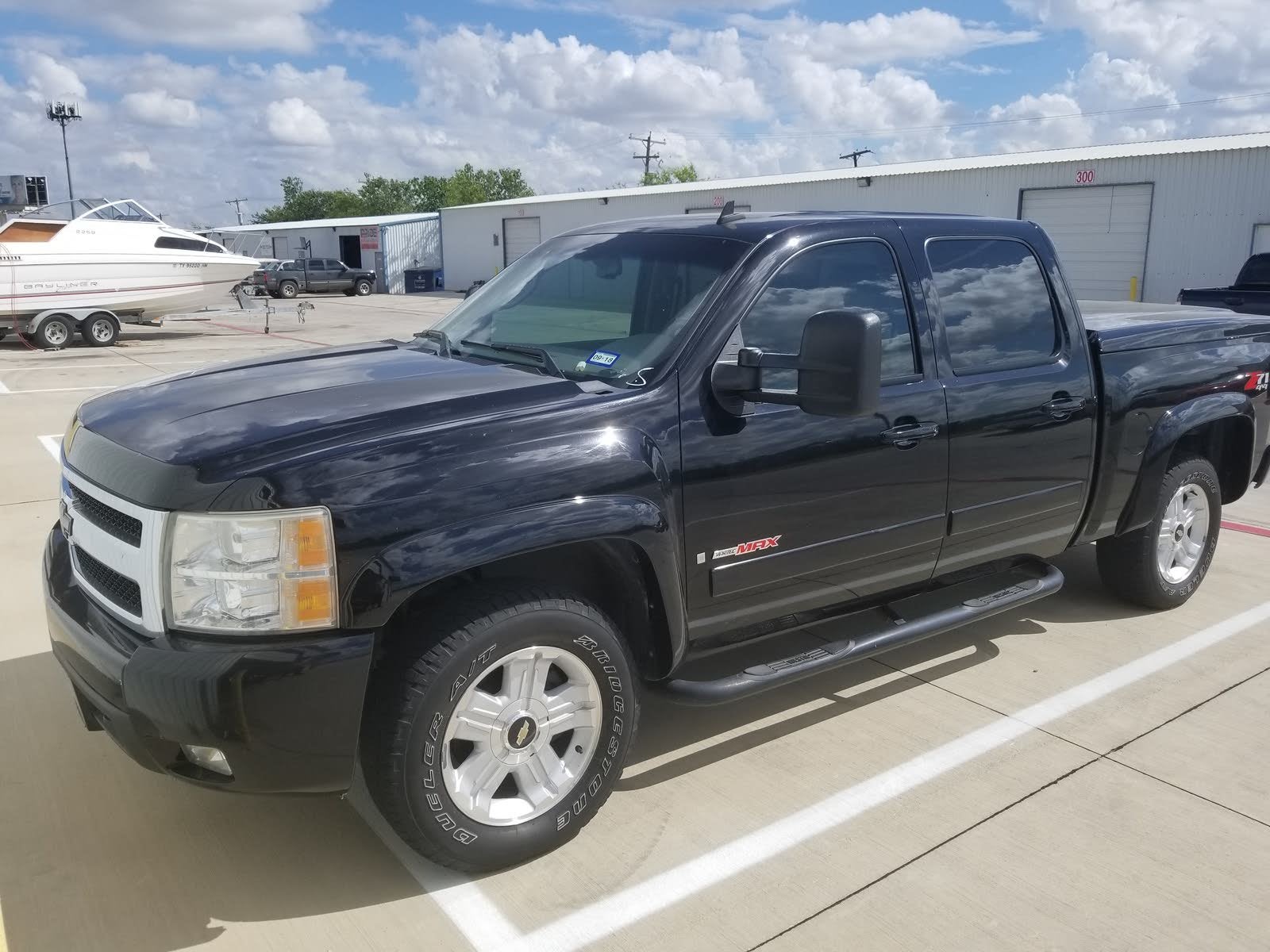
The Chevrolet Silverado and GMC Sierra 1500 trucks produced from 1999 to 2007 — known throughout the industry as "GMT800 trucks" — are tough, trustworthy, and more comfortable than their utilitarian reputation might suggest. At $5,000, rear-wheel-drive examples will be far more plentiful than four-wheel-drive versions, but that's perfectly workable as long as you're in a warmer climate or willing to invest in a set of winter tires.
Your budget can land you a genuinely clean truck, free of rust concerns depending on where you're shopping, and with some luck, you'll find one packing a 5.3-liter V8 under the hood. These are capable, modern trucks that can haul a load to the dump, tow a boat, or cover serious highway miles without breaking a sweat.
Jeep Grand Cherokee
Best for: SUV shoppers
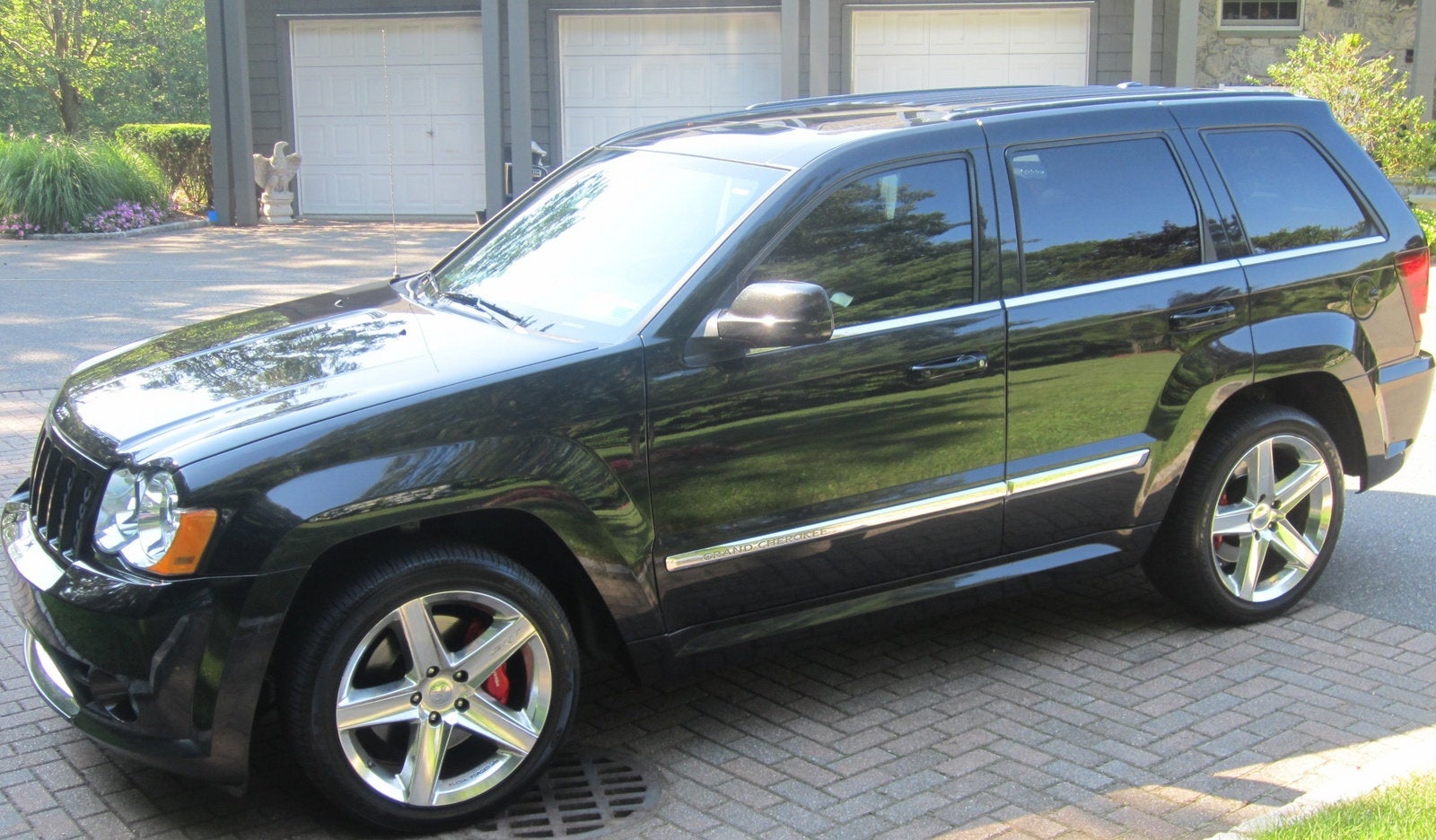
For SUV buyers, the third-generation Grand Cherokee spanning the 2005 to 2010 model years is our top recommendation. This generation marked a significant upgrade, swapping out the live-axle front suspension of its predecessor for a more sophisticated double-wishbone independent setup. The result is a noticeably smoother, more refined ride on the pavement where most Grand Cherokee owners spend the majority of their time. Yet despite that modernization, the SUV's off-road credentials remain impressively intact for those who venture beyond the asphalt. It's a versatile choice that can hold its own against the likes of the Subaru Outback on the street while leaving it behind on the trail.
In 2009, Jeep introduced a 5.7-liter Hemi V8 Grand Cherokee to replace the 305-horsepower 4.7-liter V8 engine, which is unlikely to fall within a $5,000 budget — and honestly, there's no pressing need to seek one out. The base 3.7-liter V6, rated at 215 horsepower, handles everyday driving duties without complaint. Jeep has produced Grand Cherokees in enormous numbers over the years, so availability is rarely an issue, and many examples turn up with desirable extras like leather seating. Just don't go in expecting impressive fuel economy — it's simply not what the Grand Cherokee does best.
Kia Soul
Best for: Those who want a car that's both stylish and practical
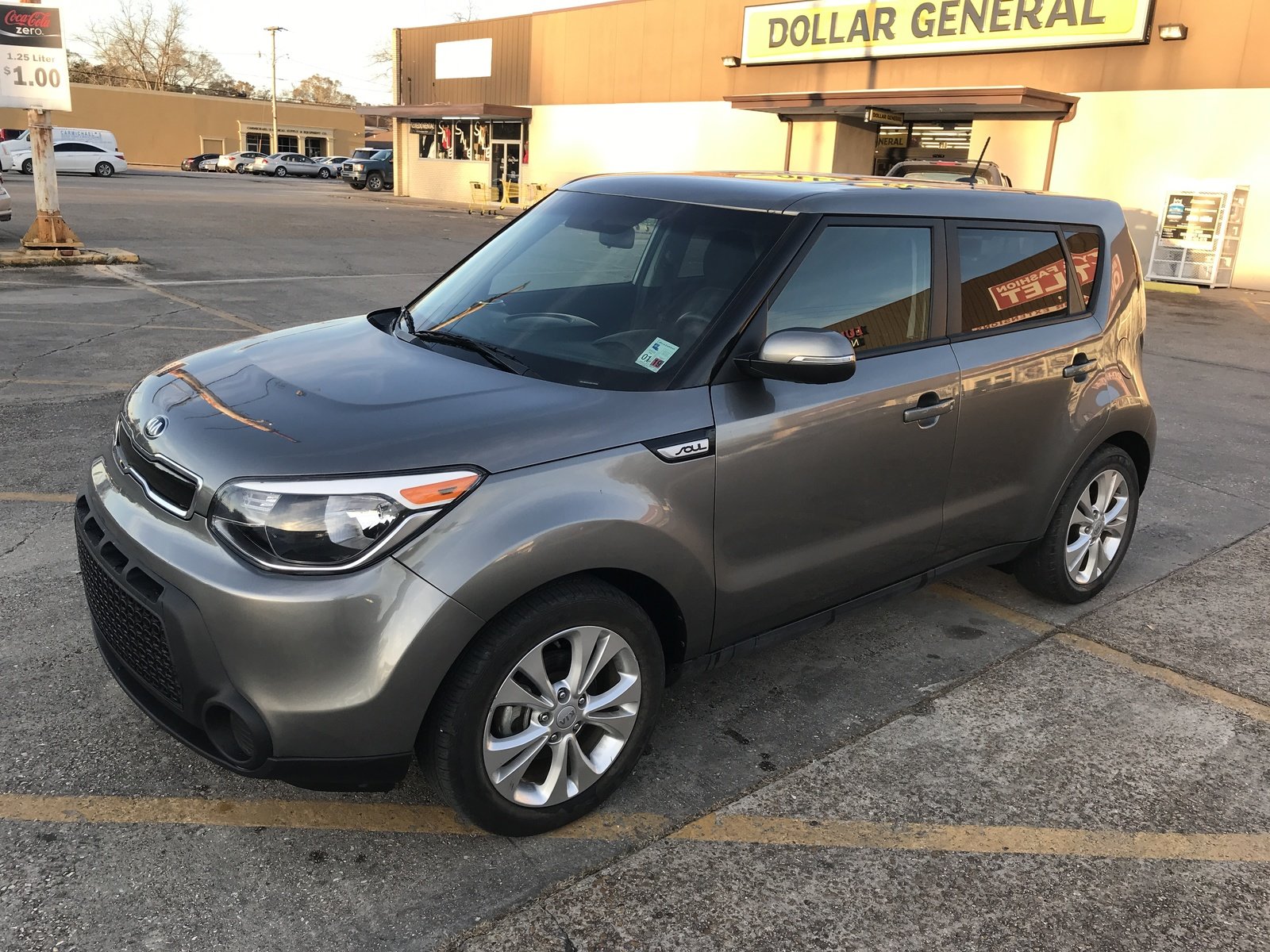
A pattern has emerged throughout this list, and it's worth naming: when a manufacturer produces a model in truly massive numbers, it tends to represent excellent value years later in the used market. Kia built an enormous number of Souls. It has consistently ranked among the brand's strongest sellers, and the compact crossover's appeal has only grown over time — even without the availability of all-wheel drive.
In the under-$5,000 segment, you're shopping the first-generation Soul, which made its debut in 2008 and remained in production through the 2014 model year. The second generation is a meaningfully better vehicle, so if your budget allows, it's worth stretching for one. That said, a first-gen Soul makes for a perfectly capable and affordable daily commuter, especially at these prices.
Beyond their practicality — including a genuinely generous cargo area when the rear seats are folded — these vehicles have solid safety credentials to back them up. The Soul earned four out of a possible five stars in crash testing conducted by the National Highway Traffic Safety Administration (NHTSA), with its only blemish being a "poor" rating in the frontal overlap test from the Insurance Institute for Highway Safety (IIHS).
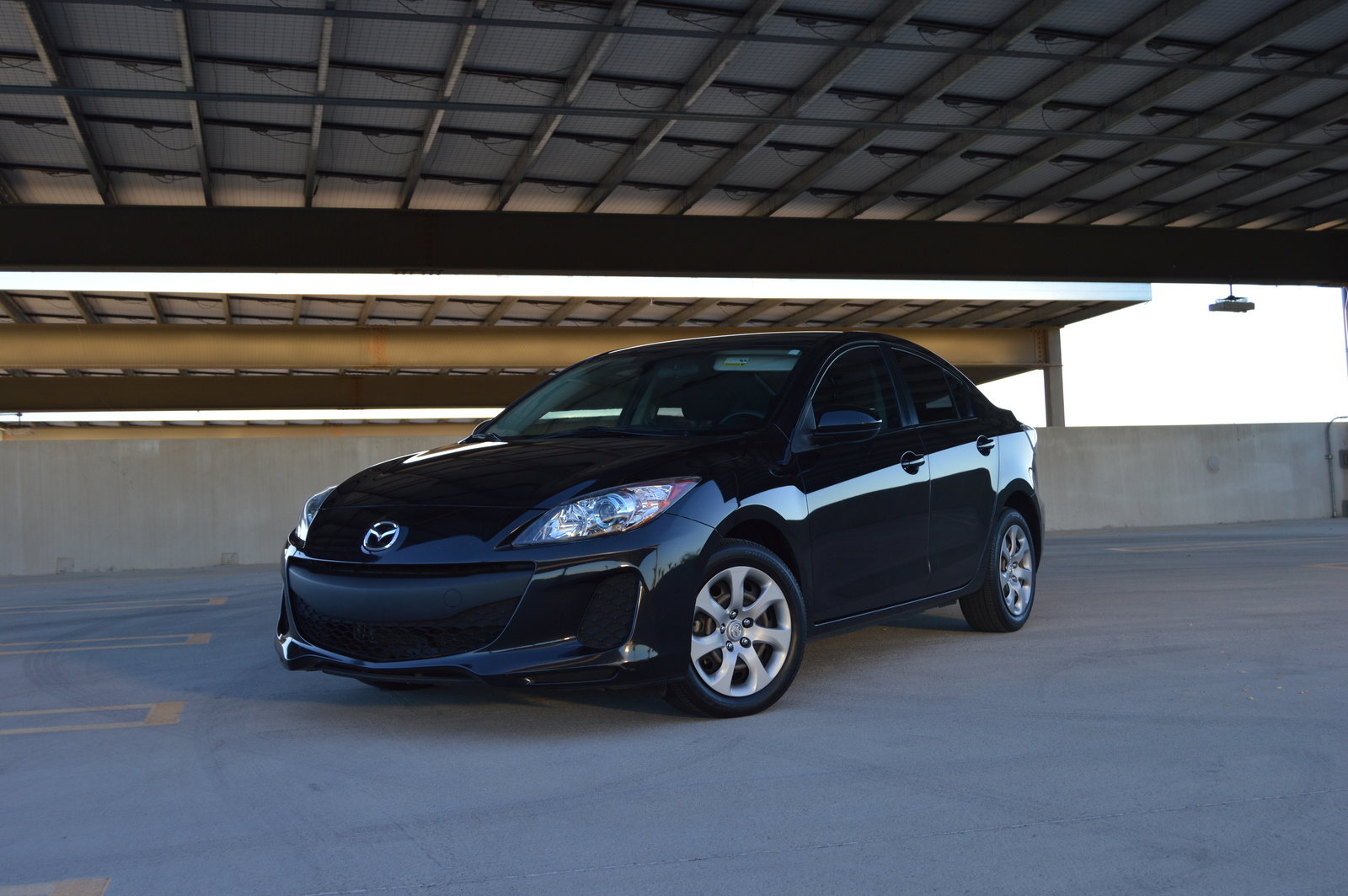
Mazda MAZDA3
Best for: Compact car shoppers who want more than the bare minimum
Shopping for a Mazda3 under $5,000 means you'll be looking at the second generation of Mazda's beloved compact rather than the dramatically styled third generation that arrived for the 2014 model year, or the polished fourth-generation model on sale today.
Even so, these are engaging, lively little cars that make excellent and affordable first vehicles. They're common enough that sourcing parts or finding a mechanic familiar with them is never a headache, yet they're not so ubiquitous as a Toyota Corolla or Honda Civic — you won't be spotting your own twin at every stoplight. Reliability is solid, and routine maintenance costs are refreshingly modest.
One thing worth keeping in mind: this generation predates the era of large touchscreen infotainment systems. That's not to say they're bare-bones — features like cruise control, power sunroofs, and Bluetooth on later examples are all on the table — but if cutting-edge in-car technology is a priority for you, this segment of the compact car market probably isn't the right fit.
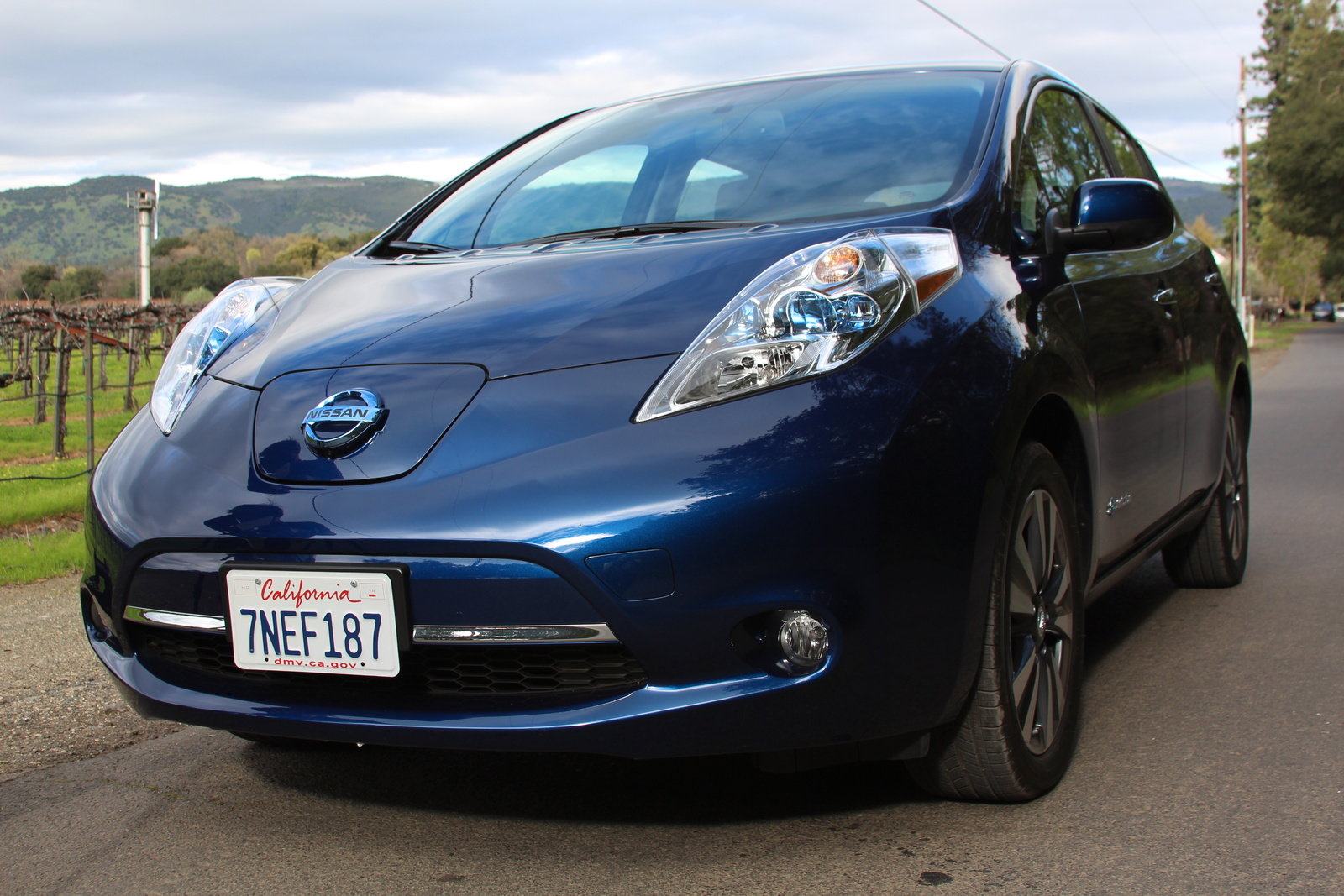
Nissan Leaf
Best for: EV shoppers
A nationwide search of our listings reveals that you can pick up a first-generation Nissan Leaf with fewer than 100,000 miles for roughly what you'd spend on a daily Chipotle habit for a year. The first-gen car — produced from its launch in 2011 through the end of its run in 2017 — was heavily incentivized at the dealership level when new and then practically given away as lease returns flooded the used market.
One practical consideration worth addressing upfront: you'll need either convenient access to a public EV charging network or a Level 2 charger installed at home. For apartment dwellers, that can be a real obstacle. Homeowners can typically have a Level 2 unit installed for around a thousand dollars. If you can tolerate slower charging speeds, a standard Level 1 charger requires nothing more than a regular household outlet.
These are genuinely pleasant little cars that feel more spacious and upscale than their specs suggest, largely thanks to their airy, light-colored interiors and the near-silence that comes from ditching a combustion engine entirely. The styling is admittedly polarizing, but for commuters whose states offer compelling EV perks — free tolls, HOV lane access, priority airport parking — it's hard to make a case for anything else at this price.
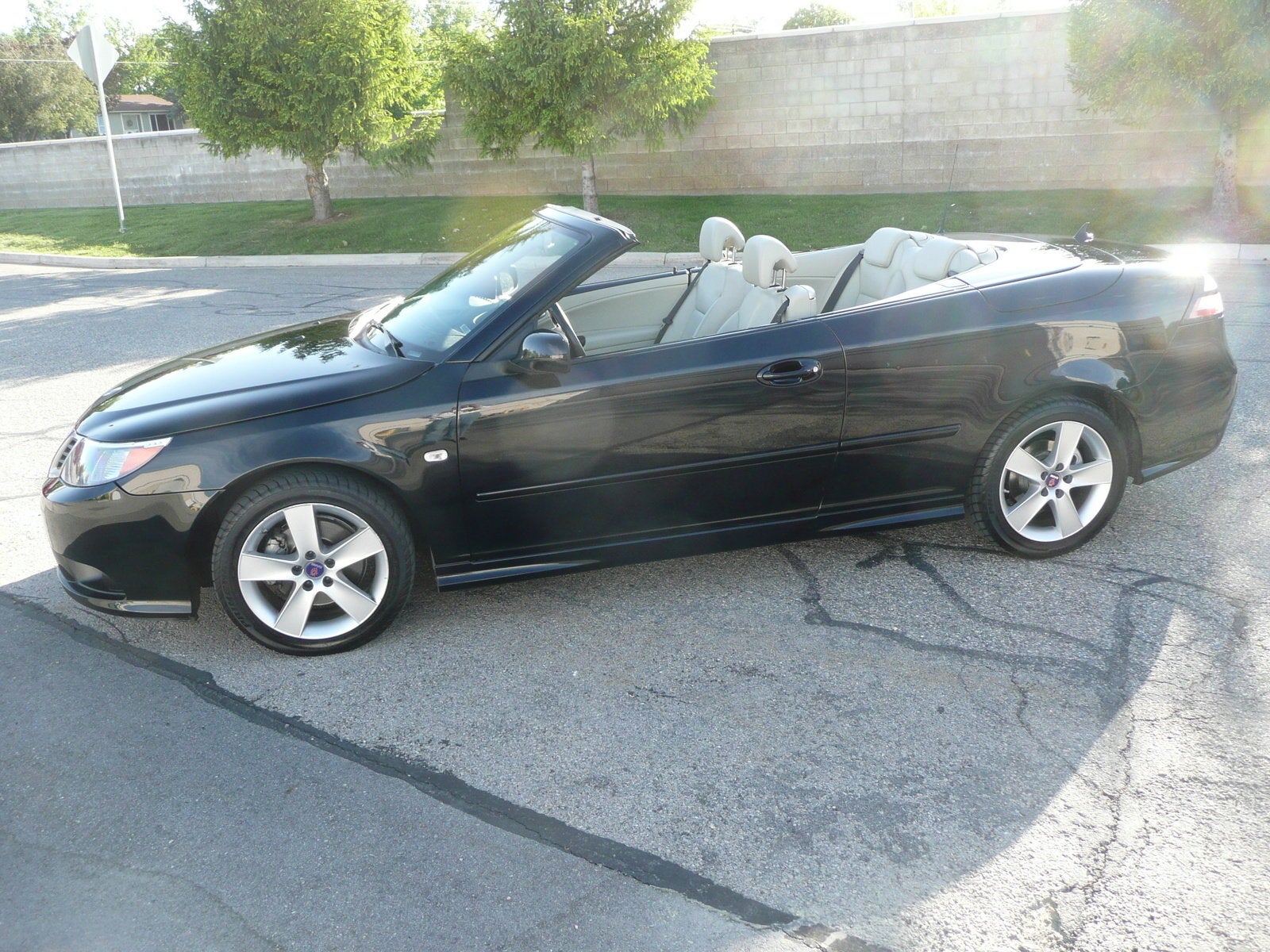
Saab 9-3 Convertible
Best for: Sun seekers
Now things get interesting: genuinely sporty and distinctly individual transportation for under $5,000. A Saab? Absolutely — and why not? This chapter of Saab's story is a fascinating one. The Swedish brand had been absorbed by GM, the global financial crisis was bearing down, and the writing was already on the wall. It was a turbulent time for the company by any measure.
And yet, they kept building excellent cars right up until the end. The 9-3 convertible is a compelling open-air option, especially given how few true drop-top alternatives exist in this price bracket. Find one that's been genuinely cared for — and they are out there — and you'll have something special. Expect early-2000s vintage examples with north of 100,000 miles, but with proper attention, these cars can rack up serious mileage, much like their Volvo counterparts from Scandinavia. Most are fitted with turbocharged four-cylinder engines that deliver a satisfying blend of responsiveness, reasonable fuel economy, and long-term durability.

Toyota Prius
Best for: Hybrid shoppers
If plugging in isn't part of your routine, a hybrid delivers many of the efficiency benefits of an EV while letting you fill up anywhere and enjoy exceptional fuel economy with zero range anxiety. The Toyota Prius wins this category almost by default — it's one of the only hybrids with enough history behind it to land comfortably under $5,000 (the original debuted as a new car in 1997). You can find a Honda Insight at this price point too, but you're looking at the quirky first-generation model, which is a rare sight on any lot.
Second-generation Prius models, spanning the 2003 to 2009 model years, are readily available for around $5,000. These are sensible, dependable cars — not thrilling, not particularly striking to look at, and not especially rewarding to pilot. But with front-wheel drive and a proven hybrid powertrain, they're among the most cost-efficient ways to get from point A to point B, short of hopping on public transit.
A well-maintained Prius with a solid service history should see its battery pack sail past 200,000 miles before needing attention. This generation is showing its age in some respects, but both J.D. Power and Consumer Reports have consistently held it up as one of the most dependable used cars you can buy.
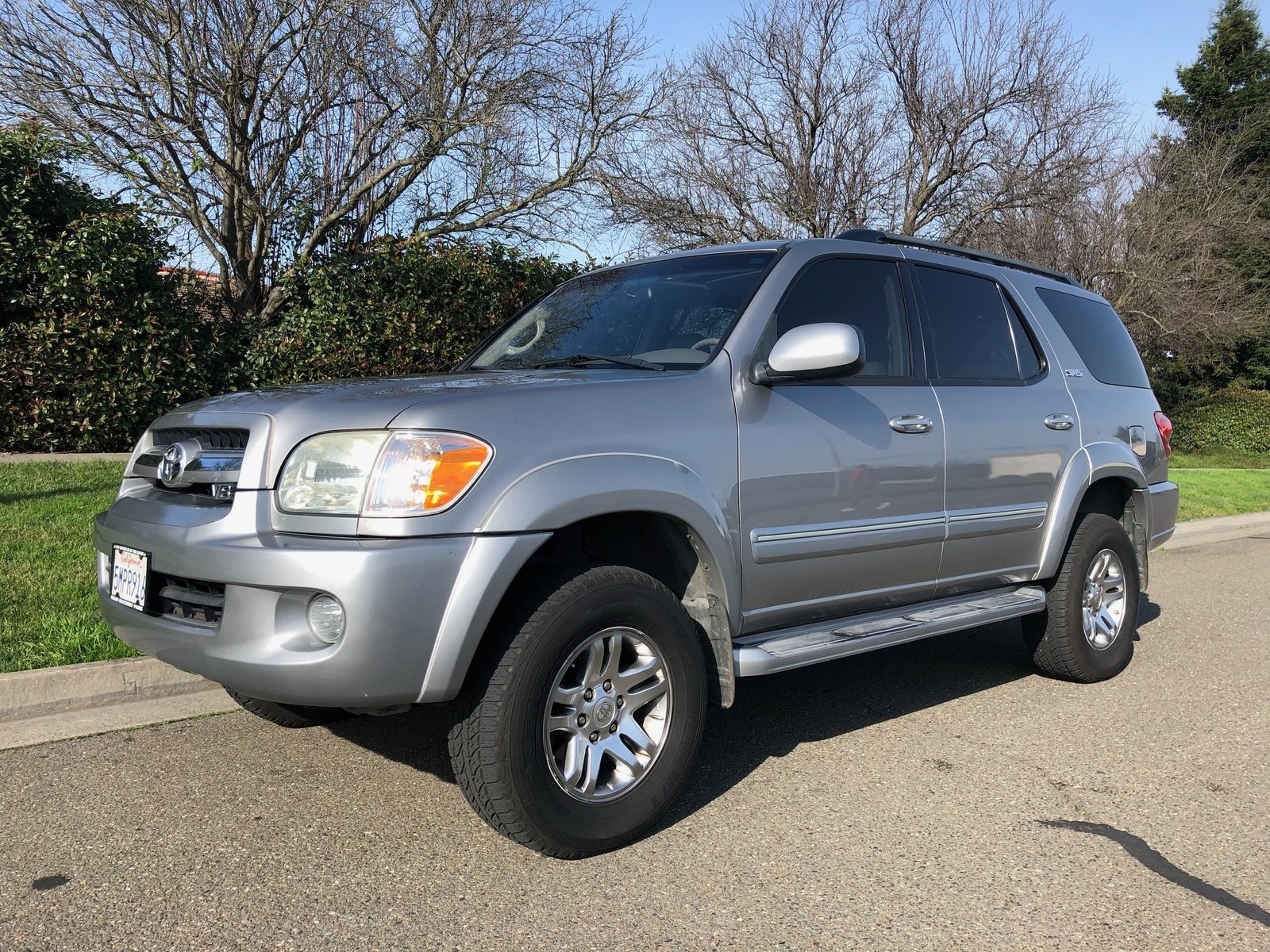
Toyota Sequoia
Best for: Used car buyers in need of a cheap tow rig
Dip too far below $5,000 and you're likely staring down a heavily worn Sequoia with 250,000-plus miles on the clock. But at the top end of our budget, you can still unearth examples with fewer than 200,000 miles — and these are trucks that, with proper care, routinely reach 300,000 miles without drama.
Like the Grand Cherokee, fuel economy is not a selling point for the Sequoia. If you plan to put serious miles on it, the pump will quickly eat into the savings you realized by keeping your upfront cost at $5,000. Unless hauling eight passengers is a genuine, regular need, expect to see around 14 miles per gallon and fuel costs in the neighborhood of $2,250 annually.
That said, if you truly need three rows of seating for eight or a legitimate towing capability, the Sequoia delivers the goods. It has a well-earned reputation for long-term reliability, came generously equipped for its era, and still carries itself with a presence that holds up well today.
The Best Used Cars Under $5,000 in 2026 FAQs
Can you really find a reliable used car for under $5,000?
Yes — and with more variety than most people expect. The under-$5,000 market includes everything from compact hatchbacks and hybrid sedans to full-size pickup trucks and three-row SUVs. The key is prioritizing condition and maintenance history over brand name or mileage alone, since many of these vehicles are capable of surpassing 150,000 miles with proper care.
What should I look for when buying a used car in this price range?
Documented maintenance history is the single most important thing to evaluate when shopping at this price point. A car from a brand with a mixed reputation can be a great buy if it's been well cared for, while a typically reliable model can become a headache if its service records are spotty. Having any car you're seriously considering inspected by an independent mechanic is a smart, low-cost step that can save you from a costly mistake.
Is a used electric car like the Nissan Leaf a good buy under $5,000?
A first-generation Nissan Leaf can be found with fewer than 100,000 miles for well under $5,000, making it one of the more intriguing options in this segment. The main practical consideration is charging access — homeowners can typically install a Level 2 charger for around $1,000, while those with a standard outlet can use a slower Level 1 charger. For commuters in states that offer EV perks like HOV lane access or free tolls, the value proposition is especially compelling.
Which used car under $5,000 is best for fuel efficiency?
The Toyota Prius is the standout choice if keeping fuel costs low is a priority. Second-generation models from the 2003–2009 model years are widely available at this price and have a well-documented track record for reliability, with battery packs on well-maintained examples often lasting beyond 200,000 miles. Both J.D. Power and Consumer Reports have consistently rated this generation among the most dependable used cars on the market.
What Makes CarGurus Best Cars Guides Different?
Most car-shopping websites publish lists of the best cars across a variety of categories, with recommendations generally driven by editorial expertise. Here's what makes ours different: In addition to the insights and verdicts of our team of car-testing experts, our best cars guides take into account other factors that we know matter to buyers-real owner experiences and current market value.
Our expert reviewers are among this country's most trusted automotive journalists, also writing for publications including US News and World Report, Edmunds, Digital Trends, J.D. Power, and Car & Driver. They put each car through real-world testing and create detailed reviews of performance in a range of categories, from practicality and driving manners to cost-effectiveness and safety.
We also analyze hundreds of thousands of used car listings on CarGurus.com to track which models consistently offer the highest percentage of best deals relative to how many are listed for sale. Then we factor in reviews from owners-people who actually live with these cars every day. Our proprietary Best Cars algorithm then creates a final Overall CarGurus rating combining expert scores, user reviews, and the percentage of listings that have earned the Good or Great Deal rating. This multi-pronged approach reveals not just which cars excel on paper, but which ones deliver satisfaction and value when you're ready to buy.
The CarGurus market data used in this guide was last updated in March 2026. Values were accurate at time of publication and should be used as a guide only.