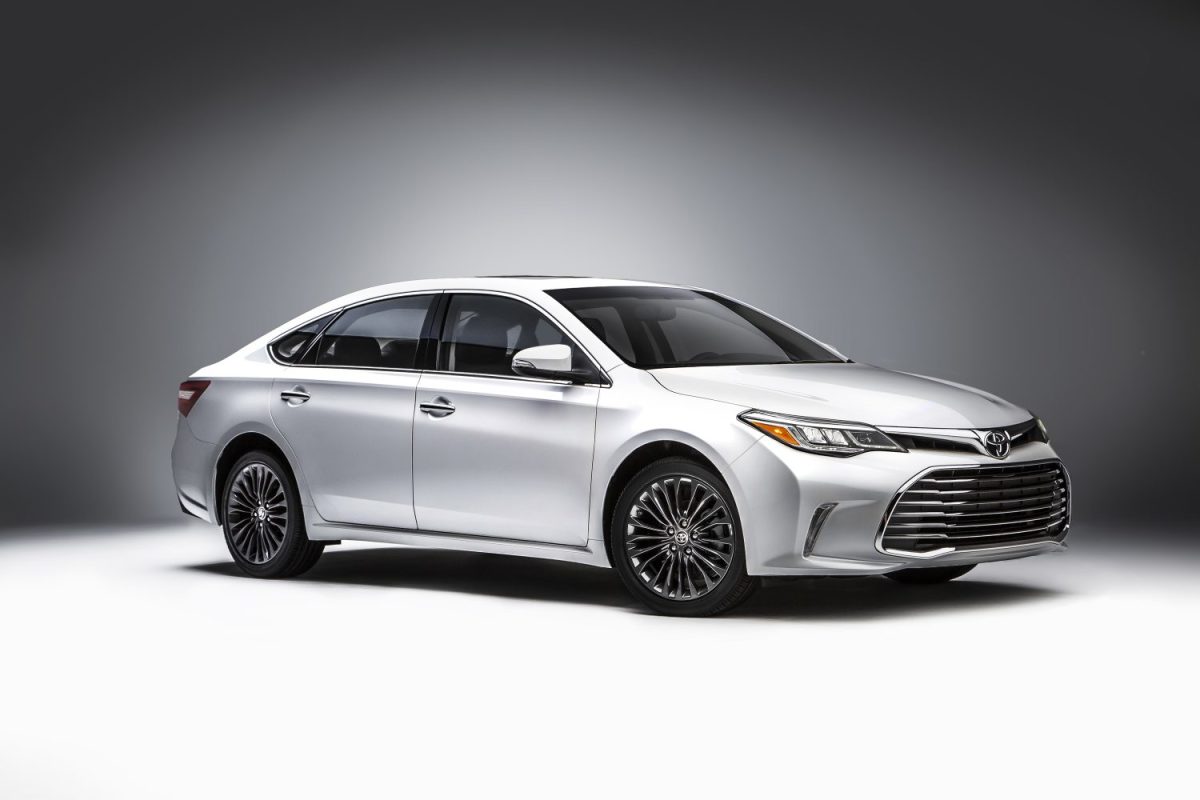
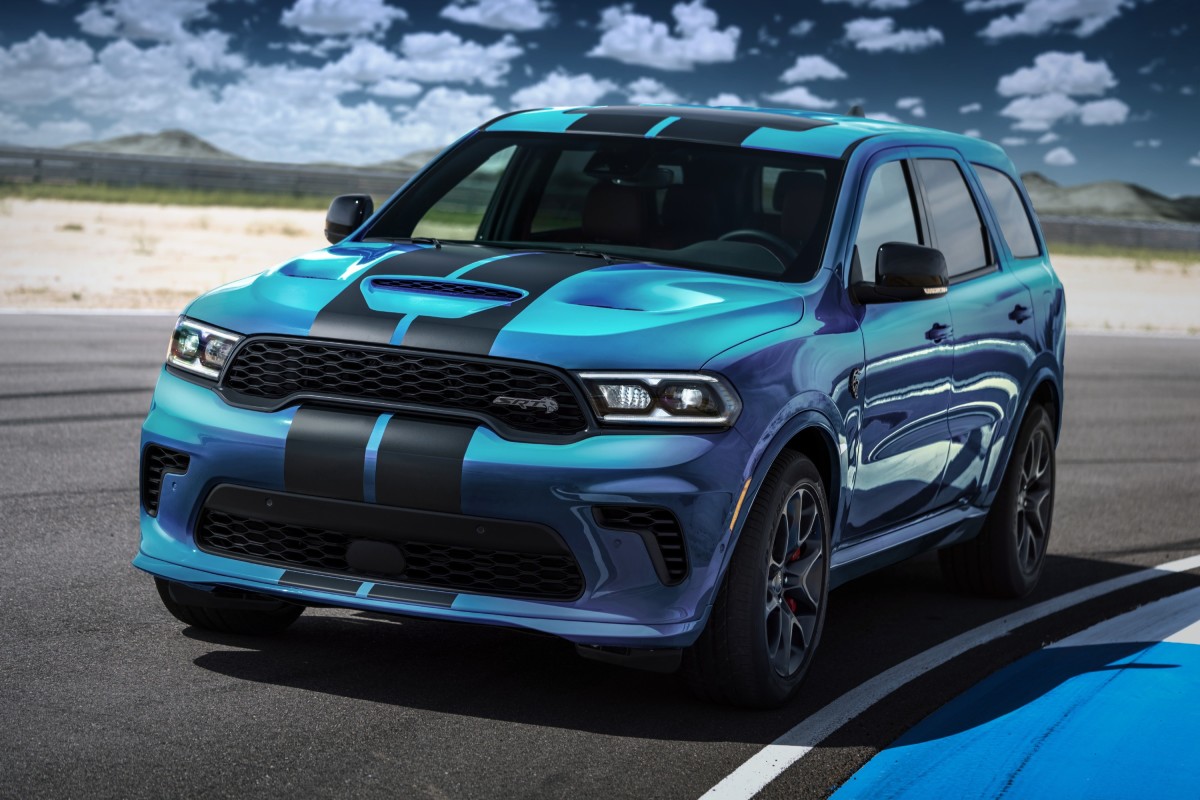
Even as SUVs and trucks continue to dominate the automotive landscape, the classic sedan remains a compelling choice for many drivers. Offering a blend of efficiency, comfort, and engaging driving dynamics that larger vehicles often struggle to match, the modern sedan is more advanced and versatile than ever. For shoppers in 2026, this means a wide array of options catering to nearly every need, from daily commuting and family hauling to luxury cruising and sporty performance. Whether you prioritize fuel savings, cutting-edge technology, or the simple pleasure of driving, there is a sedan on the market designed for you.
This list highlights the best sedans available for 2026, considering factors that matter most in the real world: practicality, value, safety, and overall owner satisfaction. You'll find everything from the hybrid-only Toyota Camry, which prioritizes exceptional fuel economy, to the performance-oriented Hyundai Sonata N Line and the remarkably practical Acura Integra with its hatchback design. We've evaluated each model to help you understand its key strengths and weaknesses, making it easier to find the perfect four-door car for your lifestyle and budget.
The Best Sedans of 2026
- Toyota Camry
- Hyundai Elantra
- Hyundai Sonata
- BMW 3 Series
- Honda Accord
- Genesis G80
- Lexus ES
- Mercedes-Benz S-Class
- Acura Integra
- Honda Civic
FAQs What Makes CarGurus Best Cars Guides Different Shopping Tools Related Topics

1. Toyota Camry
CarGurus expert rating: 8 out of 10
CarGurus user rating: 4.3 out of 5
Percentage of Good and Great Deals available on CarGurus: 32.8%
Overall CarGurus rating: 4.6 out of 5
| Pros | Cons |
|---|---|
| Fuel-efficient | Noisy engine |
| Competitively priced | Finicky voice assistant |
| All-wheel drive available on every trim |
The latest Toyota Camry has gone hybrid-only, with Toyota’s fifth-generation system pairing a 2.5-liter four-cylinder engine with electric motors for 225 hp in front-wheel-drive (FWD) form or 232 hp with available electronic all-wheel drive (AWD). Toyota estimates an impressive 51 mpg combined for FWD models and 50 mpg combined for AWD, and the electronic AWD setup is designed to add foul-weather confidence with minimal fuel-economy penalty—an appealing real-world benefit for commuters and families.
The redesign also brings a more modern cabin layout and a tech package that’s competitive in the segment, starting with an 8-inch touchscreen with wireless Apple CarPlay and Android Auto, a wireless charging pad, and five USB ports; upper trims can be upgraded with a 12.3-inch touchscreen and a 12.3-inch digital gauge cluster, plus an available head-up display and JBL audio. Safety is a Camry calling card, and Toyota Safety Sense 3.0 is standard, including blind-spot monitoring and rear cross-traffic alert on every trim. Practicality should remain familiar, too, with trunk space expected to stay around 15.1 cubic feet, though shoppers should note a couple of everyday gripes mentioned in our drive impressions: the engine can get noisy when pushed, and the voice assistant proved inconsistent.
The CarGurus Verdict: "Toyota knows its audience. The new 2025 Toyota Camry gives the people what they want, with up-to-date styling and tech, a strong value proposition helped along by excellent fuel economy, and, most importantly, no fatal flaws that might push a brand loyalist out of their comfort zone." - Natalie Harrington
Read our most recent Toyota Camry review
2. Hyundai Elantra
CarGurus expert rating: 7.3 out of 10
CarGurus user rating: 4.1 out of 5
Percentage of Good and Great Deals available on CarGurus: 28.9%
Overall CarGurus rating: 4.5 out of 5
| Pros | Cons |
|---|---|
| Multiple powertrain options | Potentially polarizing design |
| Stylish design | Underwhelming base engine |
| Manual transmission available | Interior materials feel cheap |
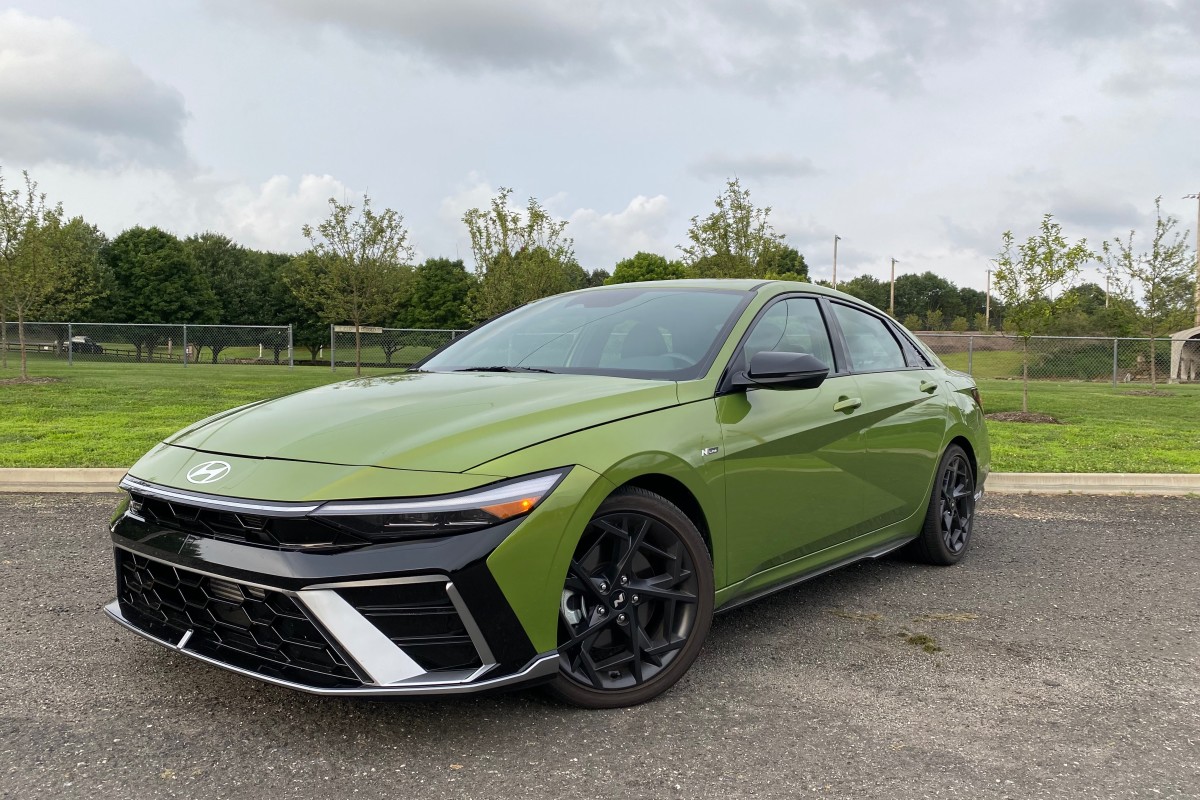
The Hyundai Elantra has shed its economy-car reputation and emerged as one of the most compelling compact sedans on the market, offering a range of powertrains and trim levels that punch well above the car's starting price of $21,625. The bold, low-slung exterior — with its fastback roofline, wraparound headlights, and ducktail spoiler — gives the Elantra a sporty presence that's genuinely rare in the segment. Inside, a driver-focused cockpit with an angled center stack, classy silver trim, and a standard digital instrument cluster creates an inviting feel, even if the interior materials are more functional than luxurious. Headroom is strong in all seating positions, rear legroom is generous, and a 14.2-cubic-foot trunk is among the largest you'll find in a compact sedan. Three years of complimentary maintenance and a five-year/60,000-mile warranty sweeten the deal further.
The Elantra's powertrain lineup is where it really distinguishes itself from the field. The standard 2.0-liter four-cylinder is adequate for around-town errands, but the 1.6-liter turbocharged N Line—with 201 horsepower and a seven-speed dual-clutch transmission—transforms the Elantra into something genuinely fun to drive, with quick acceleration and a responsive chassis that reviewers call a near-match for the Honda Civic Si. Those who prioritize efficiency over sport will want to look at the Elantra Hybrid, which is EPA-rated at 54 mpg combined and up to 58 mpg on the highway. A five-star NHTSA overall safety rating and standard forward emergency braking, lane-keep assist, and blind-spot monitoring across most trims round out a package that delivers real substance at an accessible price.
The CarGurus Verdict: "Get past the strange bodywork and plasticky interior, and you’ll find a well-mannered sedan that is equally adept at being comfortable and economical as it is sporty and truly entertaining." - Cliff Atiyeh
Read our most recent Hyundai Elantra review

3. Hyundai Sonata
CarGurus expert rating: 9 out of 10
CarGurus user rating: 4.4 out of 5
Percentage of Good and Great Deals available on CarGurus: 26.5%
Overall CarGurus rating: 4.5 out of 5
| Pros | Cons |
|---|---|
| Fun to drive | Potentially polarizing design |
| Comfortable | Poor fuel economy |
| Great safety ratings | Limited all-wheel drive availability |
The Hyundai Sonata is a practical family car with a surprisingly sporty side, especially in N Line trim. The N Line’s turbocharged 2.5-liter four-cylinder puts out 290 hp and 311 lb-ft of torque through a dual-clutch automatic, giving it quick acceleration and a rowdy personality, even if it can struggle for traction and lacks available AWD. If you’re more focused on efficiency than punch, the Sonata Hybrid’s 192-hp setup and EPA-estimated 47 mpg combined are the smarter match for commuter duty.
Beyond powertrain choice, the Sonata earns its spot here by prioritizing the day-to-day stuff that matters: an easy-to-use infotainment system with a standard 12.3-inch touchscreen and wireless Apple CarPlay/Android Auto, thoughtful storage, and a usable 15.6-cubic-foot trunk on the N Line. Hyundai also strengthened the car for 2025, helping it achieve an IIHS Top Safety Pick+ rating (for vehicles built after November 2024) and pairing that with a long list of standard driver-assistance tech. Add in strong value benefits like Bluelink+ connected services and complimentary maintenance (still included for 2025 models), and the Sonata becomes an appealing alternative to the usual midsize-sedan short list.
The CarGurus Verdict: "Verdict: Hyundai refreshed the Sonata in 2024 and improved its safety rating in 2025, keeping it competitive against midsize sedan rivals. All versions offer compelling value and are impressively safe, while the N Line model is pleasantly sporty." - Christian Wardlaw
Read our most recent Hyundai Sonata review
4. BMW 3 Series
CarGurus expert rating: 8 out of 10
CarGurus user rating: 4.5 out of 5
Percentage of Good and Great Deals available on CarGurus: 32.0%
Overall CarGurus rating: 4.4 out of 5
| Pros | Cons |
|---|---|
| Fun to drive | Snug interior |
| Easy-to-use technology | Front seat comfort on longer trips, hot days |
| Great safety ratings | Confusing, inconsistent names for technology |
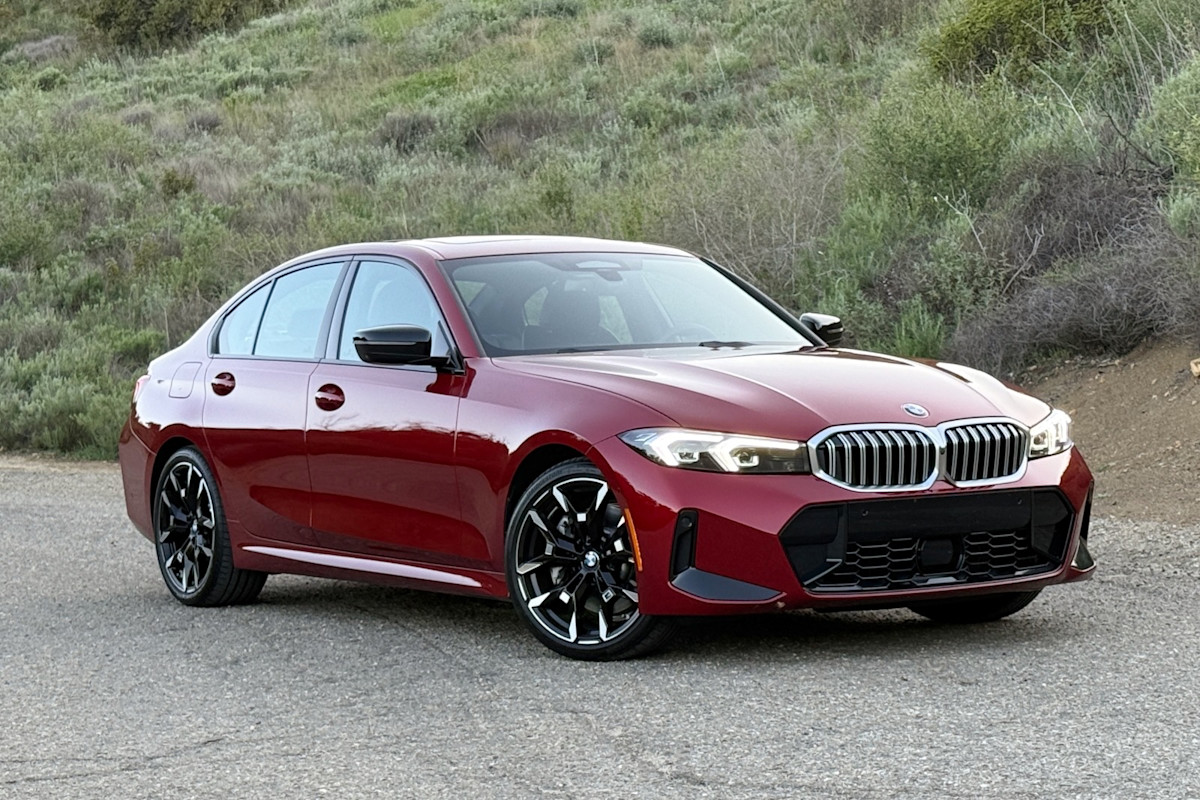
If you're looking for a sedan that makes everyday driving feel rewarding, the BMW 3 Series remains a smart pick. In 330i form, its turbocharged 2.0-liter four-cylinder with a 48-volt mild-hybrid system delivers 255 hp and 295 lb-ft of torque, and it balances quick acceleration with strong real-world efficiency (31 mpg combined, per the EPA). Pair it with the M Sport Package and you get sharper responses and a more connected feel, though the firmer ride and extra road noise may be less appealing if you prioritize isolation over feedback.
The 2025 update also keeps the 3 Series competitive on tech, thanks to BMW Operating System 8.5 (iDrive 8.5) with a 14.9-inch touchscreen, plus standard wireless Apple CarPlay and Android Auto; available parking assistance and surround-view cameras make city living easier, too. It’s a compact luxury sedan with a snug back seat and a useful 16.9-cubic-foot trunk, and it earns top marks where it matters most with a five-star NHTSA overall rating. Value can still pencil out in this segment, helped by BMW’s three years of complimentary scheduled maintenance, but note that the plug-in hybrid is gone for 2025, and some luxury expectations—like available ventilated front seats—aren’t met.
The CarGurus Verdict: "The 2025 BMW 3 Series isn’t perfect, but it’s perfectly enjoyable to drive. Also, for a car nearing the end of its current generation, it offers remarkably advanced technology. A redesign is coming soon, but the current version remains one of our favorites." - Christian Wardlaw
Read our most recent BMW 3 Series review
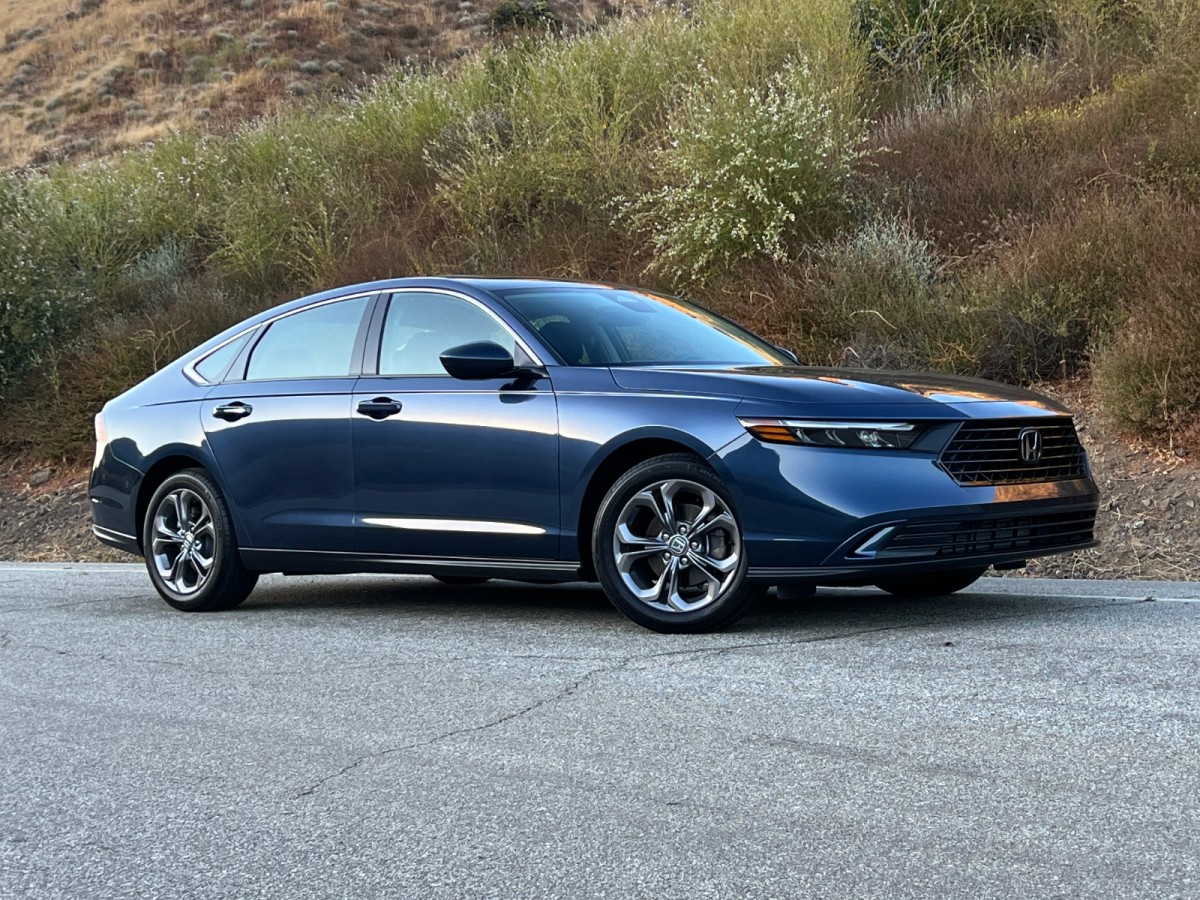
5. Honda Accord
CarGurus expert rating: 6.7 out of 10
CarGurus user rating: 4.4 out of 5
Percentage of Good and Great Deals available on CarGurus: 28.6%
Overall CarGurus rating: 4.4 out of 5
| Pros | Cons |
|---|---|
| Fun to drive | All-wheel drive not available |
| Spacious interior | Several minor comfort issues |
| Great safety ratings | Questionable value for the money |
The Honda Accord is worth a look for sedan shoppers who want a traditional, easy-to-live-with daily driver. It's got a roomy cabin, excellent visibility, and a big 16.7-cubic-foot trunk that’s genuinely useful for luggage and weekly errands. The redesigned interior leans clean and durable, with cloth seats and thoughtful details like the mesh-style dash trim that integrates the air vents. Tech is straightforward rather than flashy: a 10.2-inch digital gauge display pairs with a 7-inch touchscreen, plus wired Apple CarPlay and Android Auto and physical controls that make common tasks simple.
In non-hybrid LX and EX trims, power comes from a turbocharged 1.5-liter four-cylinder making 192 hp and 192 lb-ft of torque, routed through a CVT to the front wheels. Performance is described as adequate, but the Accord’s steering and suspension tuning deliver the kind of calm control that makes commuting relaxing and back roads rewarding. Safety is another strong suit, with Honda Sensing driver-assist features standard and an IIHS Top Safety Pick+ rating. The big caution for 2026 shoppers is value: rivals may offer more features, available AWD, or electrified powertrains for similar money, and Honda’s own Accord Hybrid trims can make a stronger case if fuel economy is a priority.
The CarGurus Verdict: "It’s true the 2023 Honda Accord doesn’t have all-wheel drive, a third-row seat, a big cargo area you can pack to the roof, or styling that suggests you live an adventurous lifestyle. If you want those things, spend thousands of dollars more for the Honda Pilot, which is less dynamic to drive and more expensive to own and operate. But, if you don’t need (or want) those things, consider the 11th-generation 2023 Accord, which remains an excellent, if comparatively expensive, example of the traditional four-door family car." - Christian Wardlaw
Read our most recent Honda Accord review

6. Genesis G80
CarGurus expert rating: 8.2 out of 10
CarGurus user rating: 4.7 out of 5
Percentage of Good and Great Deals available on CarGurus: 25.3%
Overall CarGurus rating: 4.3 out of 5
| Pros | Cons |
|---|---|
| Excellent value for money | Poor fuel economy |
| Great ride quality | Fairly pedestrian performance |
| Premium interior materials |
The Genesis G80 is a high-end, high-tech sedan that puts its established rivals on watch. Fresh off a mid-cycle refresh, it leans into sleek styling and a noticeably upgraded cabin, headlined by a wide 27-inch OLED display that combines the gauge cluster and infotainment. It’s an easy system to use and includes standard wireless Apple CarPlay and Android Auto, plus available features like a digital key and automated parking help—useful perks for a luxury sedan that’s meant to make daily driving feel effortless.
On the road, the G80 is more of a calm, comfortable cruiser than a sharp-edged sport sedan, even with the available 3.5-liter twin-turbo V6 (375 hp, 391 lb-ft of torque); the base 2.5-liter turbo makes 300 hp and 311 lb-ft of torque. All-wheel drive is standard, ride quality is a highlight, and the trunk’s 13.1 cubic feet is about average for the class. Safety tech is extensive, NHTSA gives it a five-star overall rating, and Genesis backs it with an excellent 10-year/100,000-mile powertrain warranty—though fuel economy is a weak spot (as low as 19 mpg combined with the V6).
The CarGurus Verdict: "There is plenty to like about the 2025 Genesis G80 and it certainly represents good value, just don’t expect to be the quickest car in the class." - Emme Hall
Read our most recent Genesis G80 review
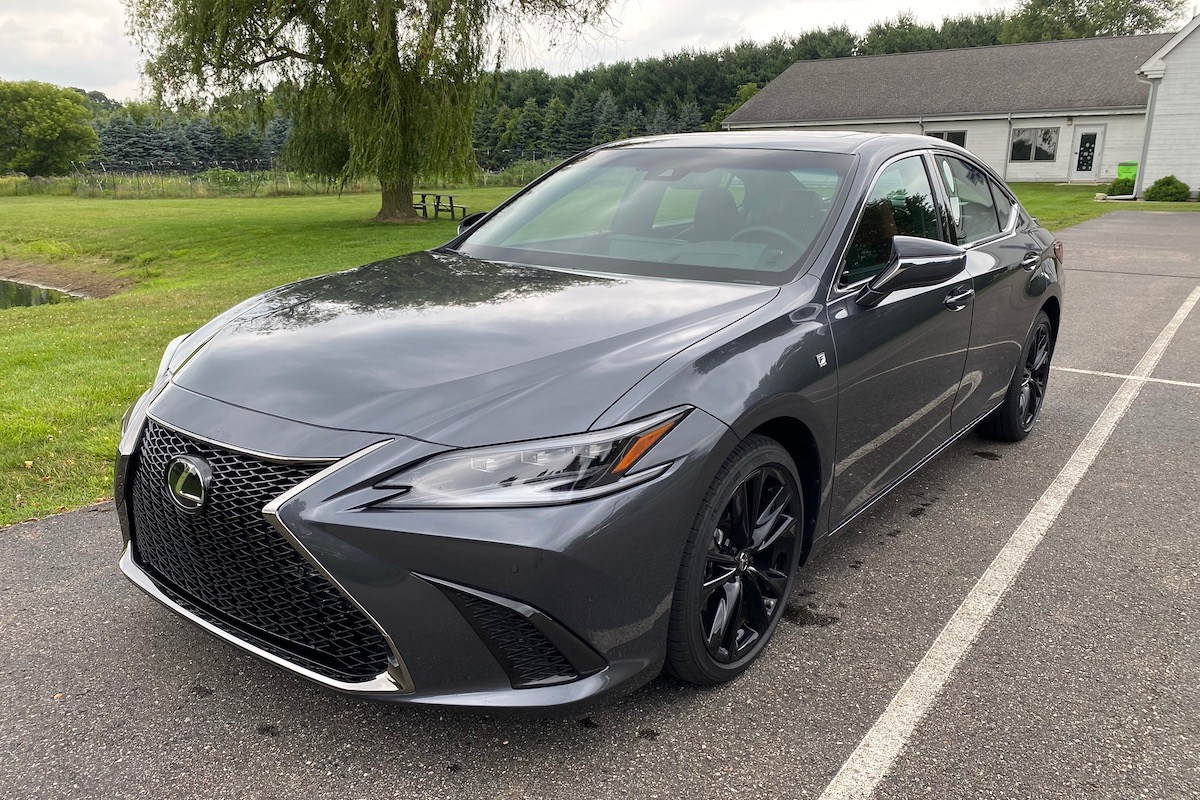
7. Lexus ES
CarGurus expert rating: 7 out of 10
CarGurus user rating: 4.5 out of 5
Percentage of Good and Great Deals available on CarGurus: 29.9%
Overall CarGurus rating: 4.3 out of 5
| Pros | Cons |
|---|---|
| Fuel-efficient | Uninspired styling |
| Quiet cabin | Fairly pedestrian performance |
| Multiple powertrain options | Underwhelming base engine |
As a used buy in 2026, the Lexus ES makes a lot of sense for shoppers who want a traditional, comfortable midsize sedan with luxury badges and a calmer vibe than many sport-luxe alternatives. The lineup’s mix of powertrains is a big practical advantage: the ES 250 AWD offers all-wheel drive with 203 hp and 184 lb-ft of torque, the ES 350 steps up to a 307-hp, 267 lb-ft V6, and the ES 300h hybrid prioritizes efficiency with a net 215 hp and an EPA-rated 44 mpg combined. No matter the version, the ES leans into quiet, easy cruising rather than sharp-edged driving excitement, which is exactly what many everyday commuters and road-trippers want.
The ES sedan body also brings real usability benefits that still matter today: a 13.9-cubic-foot trunk, an available pass-through for long items, and folding rear seats on non-hybrid models for larger boxes. Tech is competitive for the segment, with standard Apple CarPlay and Android Auto, while upper trims can add a larger 12.3-inch screen, Mark Levinson audio, a head-up display, and a surround-view camera system for stress-free parking. Safety is a major plus—Top Safety Pick+ from IIHS and a five-star overall NHTSA rating—backed by standard Lexus Safety System+ 2.5 features like adaptive cruise control, lane-tracing assist, and a pre-collision system with pedestrian detection.
The CarGurus Verdict: "In the age of the SUV and at the dawn of electrification, the ES does its best to to capture any remaining new car buyers interested in a traditional sedan." - Jason Fogelson
Read our most recent Lexus ES review
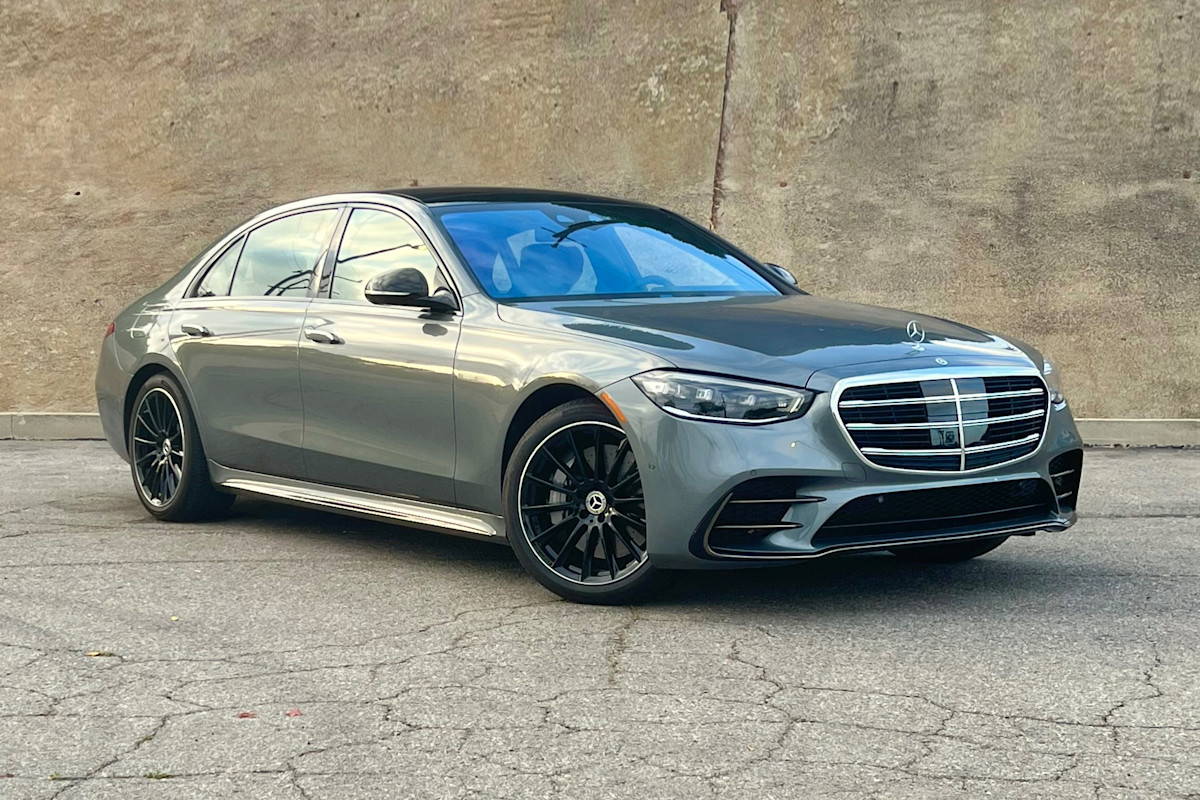
8. Mercedes-Benz S-Class
CarGurus expert rating: 7.3 out of 10
CarGurus user rating: 4.7 out of 5
Percentage of Good and Great Deals available on CarGurus: 33.7%
Overall CarGurus rating: 4.3 out of 5
| Pros | Cons |
|---|---|
| Multiple powertrain options | Not much cargo space |
| Comfortable | Frustrating capacitive touch controls |
| Premium interior materials |
For ultimate luxury, it’s difficult to beat the Mercedes-Benz S-Class, especially if what you want from a sedan is quiet isolation, effortless power, and a cabin that feels built to a higher standard. In 2025, Mercedes adds useful updates like standard digital key functionality and a center airbag, while keeping the core formula intact: a long-wheelbase, full-size sedan with a calm ride and serious performance available across the lineup. Choices range from the S 500’s turbocharged 3.0-liter inline-six (442 hp, 413 lb-ft of torque) to the S 580’s twin-turbo 4.0-liter V8 (496 hp, 516 lb-ft), and up to the AMG S 63 E Performance plug-in hybrid with 791 hp and 1,055 lb-ft of torque.
For 2026 sedan shoppers who want luxury without giving up day-to-day usability, the S-Class also brings real comfort and tech benefits, with standard heated, ventilated, massaging seats, a 12.8-inch infotainment touchscreen, and strong voice control that responds to “Hey Mercedes.” The plug-in hybrid S 580e is especially compelling for short commutes, pairing 503 hp and 553 lb-ft with an estimated 48 miles of electric range, though its trunk is a small 8.1 cubic feet (other S-Class models increase to 12.8 cubic feet). Driver-assistance tech is extensive, including adaptive cruise control and automated lane-change assist, but it’s worth noting that neither NHTSA nor IIHS has published crash test results for this generation, and the capacitive touch controls can be distracting compared with more traditional switchgear.
The CarGurus Verdict: "Quite simply, the S-Class is the best luxury sedan that doesn't wear a Bentley or Rolls-Royce badge. With several models to choose from and a dizzying array of options, there seems to be a perfect match for a variety of tastes, provided you have a six-figure budget." - Mark Takahashi
Read our most recent Mercedes-Benz S-Class review
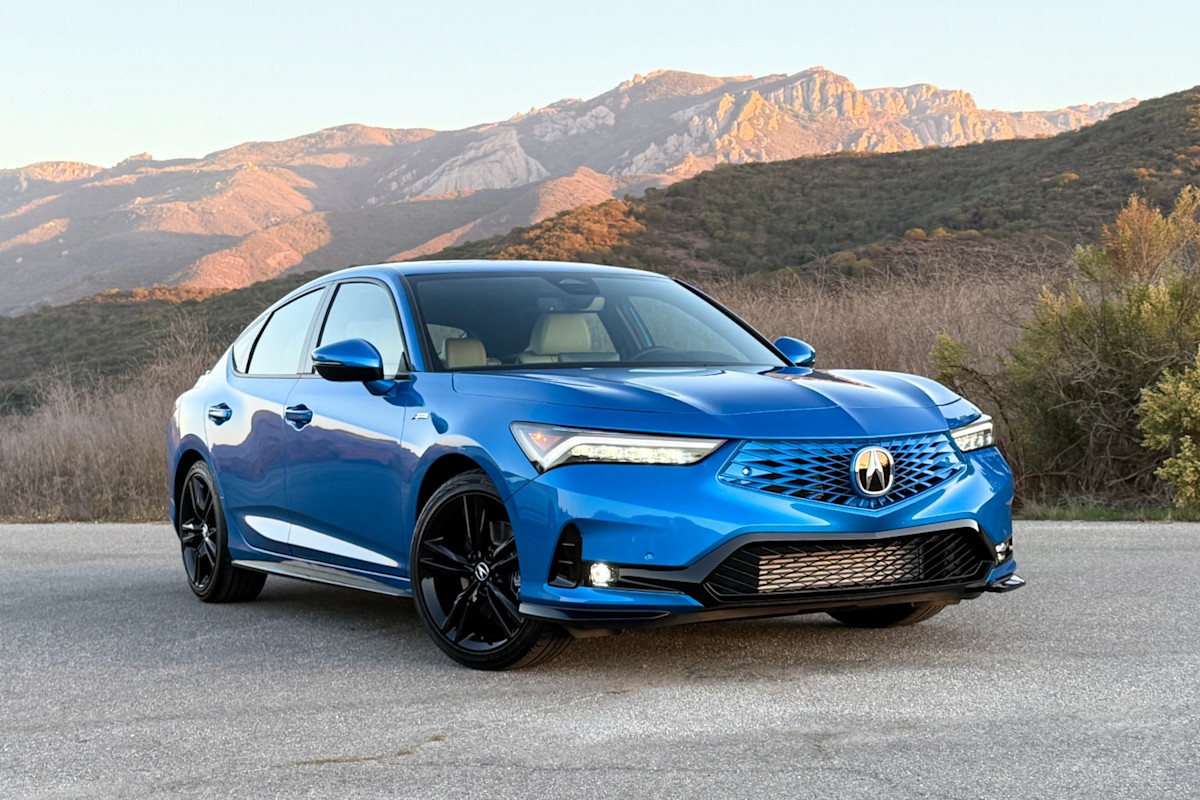
9. Acura Integra
CarGurus expert rating: 6.8 out of 10
CarGurus user rating: 4.5 out of 5
Percentage of Good and Great Deals available on CarGurus: 29.3%
Overall CarGurus rating: 4 out of 5
| Pros | Cons |
|---|---|
| Stylish design | All-wheel drive not available |
| Fun to drive | Hybrid powertrain not available |
| Practical hatchback configuration | Outdated technology |
In a sedan-heavy marketplace that’s increasingly dominated by SUVs, the 2026 Acura Integra makes its case with a car-like footprint and a genuinely useful five-door liftback layout. The cabin leans more “premium Honda” than flashy luxury, but it’s thoughtfully executed, with clear controls and upscale details, and it’s available with features many shoppers care about day to day, like heated front seats and a standard 9-inch touchscreen with wireless Apple CarPlay, wireless Android Auto, and wireless phone charging. The liftback is the real usability win, opening up to 24.3 cubic feet of cargo space—more like what you’d expect from a small crossover than a compact sedan.
Performance depends on the trim: most Integras use a turbocharged 1.5-liter four-cylinder making 200 hp and 192 lb-ft of torque, paired with a CVT unless you step up to an A-Spec with Technology for an available six-speed manual and a helical limited-slip differential. For shoppers who want real pace, the Integra Type S brings a turbo 2.0-liter four-cylinder with 320 hp and 310 lb-ft of torque, but either way you can’t get all-wheel drive or a hybrid powertrain. Safety coverage is strong on paper with standard AcuraWatch driver assists and a five-star overall NHTSA rating, though some of the driver-assist behavior (especially lane-assist) can be inconsistent depending on conditions.
The CarGurus Verdict: "Thanks to its liftback design and appealing price point, the Acura Integra has no direct rivals. However, it faces significant in-house competition from the Acura ADX crossover SUV and the Honda Civic Hatchback. They render the Integra obsolete, which is a shame because it is a genuinely stylish, practical, and fun car." - Christian Wardlaw
Read our most recent Acura Integra review

10. Honda Civic
CarGurus expert rating: 6.8 out of 10
CarGurus user rating: 4.6 out of 5
Percentage of Good and Great Deals available on CarGurus: 29.2%
Overall CarGurus rating: 4 out of 5
| Pros | Cons |
|---|---|
| Choice of body styles | All-wheel drive not available |
| Enjoyable to drive | Noisy at speed |
| Premium interior materials | Outdated technology |
The 2026 Honda Civic remains a smart, easy-to-live-with choice even as the lineup carries over unchanged. It’s a familiar sight, but it’s well worth a second look—especially if you care about a cabin that feels more upscale than most compact sedans at this price, with thoughtful details like knurled climate and audio knobs and a clean, logical control layout. The Civic Sport sedan we drove keeps things simple, though its standard 7-inch touchscreen and 7-inch digital gauge display can feel dated, and Apple CarPlay/Android Auto require a cable connection unless you step up to trims like the Si or Sport Touring Hybrid for bigger screens and more built-in tech.
On the road, the Civic’s strengths are what help it make sense in a “best sedans” conversation: balanced driving dynamics, strong safety basics, and real-world efficiency. The gas-only Civic Sport uses a 2.0-liter four-cylinder with 150 hp and 133 lb-ft of torque; it can feel underpowered during tougher merges or mountain climbs, but the chassis tuning, precise steering, and multi-link rear suspension keep it engaging day to day. EPA ratings are a respectable 31 mpg city / 39 mpg highway / 34 mpg combined, and the sedan’s 14.8 cubic feet of trunk space plus a 60/40 split-folding rear seat add practical utility. Every Civic gets Honda Sensing driver assists, the sedan earns a five-star overall NHTSA rating, and while all-wheel drive still isn’t offered, the Civic’s reliability reputation, resale value, and available hybrid option help justify its typically higher price.
The CarGurus Verdict: "You’ll pay a premium to buy a Honda Civic. In many ways, it’s worth the extra money. In others, not so much. Still, while there are better deals in the compact car class, few are as satisfying to drive, and that’s true even when the Civic is equipped with its base engine." - Christian Wardlaw
Read our most recent Honda Civic review
The Best Sedans of 2026 FAQs
Which 2026 sedans are best for fuel economy? For shoppers prioritizing fuel efficiency, several models on this list stand out. The 2025 Toyota Camry is now a hybrid-only lineup, achieving an estimated 51 mpg combined. The Hyundai Sonata Hybrid is another strong contender, offering up to 47 mpg combined. For a luxury option, the Lexus ES 300h provides a premium experience while still delivering an impressive 44 mpg combined.
Are there any good all-wheel drive (AWD) sedans for 2026? Yes, several of the best sedans offer the security of all-wheel drive. The 2025 Toyota Camry makes its electronic AWD system available on every trim level, which is a significant advantage for buyers in snowy climates. The Genesis G80 comes standard with AWD, and the Lexus ES offers it on the ES 250 model. However, it's worth noting that some popular models, like the Honda Accord and Honda Civic, are only available with front-wheel drive.
What is a good sporty sedan for 2026? If you're looking for a sedan that's fun to drive, you have some excellent choices. The Hyundai Sonata N Line features a powerful 290-horsepower turbocharged engine for quick acceleration. The BMW 3 Series has long been the benchmark for sport-sedan handling and remains a rewarding car to drive every day. For maximum performance, the Acura Integra Type S delivers an impressive 320 horsepower and comes with a six-speed manual transmission for a truly engaging experience.
Which sedans on this list offer the most cargo space? While sedans aren't known for cargo hauling, some are more practical than others. The Acura Integra is a standout thanks to its five-door liftback design, which provides 24.3 cubic feet of cargo space—more than many small SUVs. For a more traditional sedan, the Honda Accord offers a spacious 16.7-cubic-foot trunk, and the BMW 3 Series also boasts a surprisingly large 16.9-cubic-foot trunk.
What Makes CarGurus Best Cars Guides Different?
Most car-shopping websites publish lists of the best cars across a variety of categories, with recommendations generally driven by editorial expertise. Here's what makes ours different: In addition to the insights and verdicts of our team of car-testing experts, our best cars guides take into account other factors that we know matter to buyers-real owner experiences and current market value.
Our expert reviewers are among this country's most trusted automotive journalists, also writing for publications including US News and World Report, Edmunds, Digital Trends, J.D. Power, and Car & Driver. They put each car through real-world testing and create detailed reviews of performance in a range of categories, from practicality and driving manners to cost-effectiveness and safety.
We also analyze hundreds of thousands of used car listings on CarGurus.com to track which models consistently offer the highest percentage of best deals relative to how many are listed for sale. Then we factor in reviews from owners-people who actually live with these cars every day. Our proprietary Best Cars algorithm then creates a final Overall CarGurus rating combining expert scores, user reviews, and the percentage of listings that have earned the Good or Great Deal rating. This multi-pronged approach reveals not just which cars excel on paper, but which ones deliver satisfaction and value when you're ready to buy.
The CarGurus market data used in this guide was last updated in March of 2026. Values were accurate at time of publication and should be used as a guide only.