2021 Hyundai Kona vs 2020 Toyota RAV4

Overview | |
MSRP$25,950 | MSRP$20,500 |
Listings1221 | Listings482 |
Ratings & Reviews | |
User Reviews | User Reviews |
Expert reviews8.7 out of 10 | Expert reviews7.2 out of 10 |
Pros
Cons
| Pros
Cons
|
2020 Toyota RAV4 Reviews SummaryAmericans love the Toyota RAV4. The compact crossover SUV is the most popular vehicle in the U.S. that isn’t a pickup truck, and when you live with one for a while, it’s easy to understand why so many people buy a RAV4. Available with a gasoline 4-cylinder or a gas-electric hybrid powertrain (covered as a separate model), and in a wide range of configurations including sporty XSE, luxurious Limited, and rugged Adventure, the 2020 RAV4 meets a variety of customer wants and needs. | |
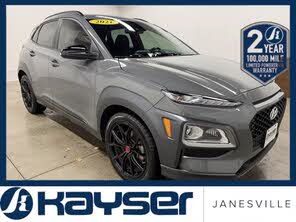
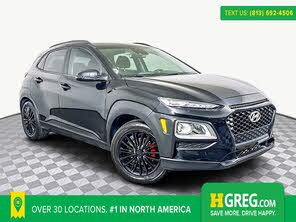
2021 Hyundai Kona Reviews SummaryAfter three years on the market, the Hyundai Kona continues to wow with great features, strong styling, and decent specs. The 2021 model year brings subtle changes to the Kona lineup, including new colors, a new Night Edition with Rays semi-gloss black 18-inch wheels, and gloss black exterior and interior accents. Hyundai offers the Kona in several trims: SE, SEL, SEL Plus, Night Edition, Limited, and Ultimate. A Hyundai Kona Electric model is available as well, but we'll cover that in a separate overview. A high-performance Kona N will be available for the 2022 model year. The Hyundai Kona competes with subcompact SUVs that include the Kia Soul, Volkswagen Taos, Mazda CX-30, Subaru Crosstrek, Nissan Kicks, Hyundai Venue, and Toyota C-HR. Given its size and price, buyers may also cross-shop the larger Hyundai Tucson. New car buyers have many other choices, then, but the Kona still stands out as a value-forward crossover with a long warranty and plenty of standard features. | |
No video found | |
Popular Features & Specs | |
Engine2.5L 203 hp I4 | Engine2.0L 147 hp I4 |
Drive TrainFWD | Drive TrainFWD |
Seating Capacity5 | Seating Capacity5 |
Horsepower | Horsepower147 hp @ 6200 rpm |
MPG City27 | MPG City27 |
MPG Highway35 | MPG Highway33 |
Engine | |
Engine Name2.5L 203 hp I4 | Engine Name2.0L 147 hp I4 |
Torque | Torque132 lb-ft @ 4500 rpm |
Horsepower | Horsepower147 hp @ 6200 rpm |
DrivetrainFWD | DrivetrainFWD |
Fuel Economy | |
MPG City27 | MPG City27 |
MPG Highway35 | MPG Highway33 |
Interior | |
Seating Capacity5 | Seating Capacity5 |
Safety | |
Front Crash Overall4 | Front Crash Overall5 |
Side Crash Overall5 | Side Crash Overall5 |
Dimensions & Capacity | |
Cargo Space37.6 cu ft | Cargo Space19.2 cu ft |
Curb Weight3370 lbs | Curb Weight2890 lbs |
Height67.0 in | Height61.0 in |
Length180.9 in | Length164.0 in |
Width73.0 in | Width70.9 in |
Wheelbase105.9 in | Wheelbase102.4 in |
Maximum Payload1240 lbs | Maximum Payload1089 lbs |
Number of doors4 | Number of doors4 |
Maximum Towing Capacity1500 lbs | Maximum Towing Capacity |
Overview | ||
MSRP | $25,950 | $20,500 |
Listings | ||
Ratings & Reviews | ||
User reviews | ||
Expert reviews | 8.7 out of 10Read full review | 7.2 out of 10Read full review |
Pros & cons | Pros
Cons
| Pros
Cons
|
Summary | Americans love the Toyota RAV4. The compact crossover SUV is the most popular vehicle in the U.S. that isn’t a pickup truck, and when you live with one for a while, it’s easy to understand why so many people buy a RAV4. Available with a gasoline 4-cylinder or a gas-electric hybrid powertrain (covered as a separate model), and in a wide range of configurations including sporty XSE, luxurious Limited, and rugged Adventure, the 2020 RAV4 meets a variety of customer wants and needs. | After three years on the market, the Hyundai Kona continues to wow with great features, strong styling, and decent specs. The 2021 model year brings subtle changes to the Kona lineup, including new colors, a new Night Edition with Rays semi-gloss black 18-inch wheels, and gloss black exterior and interior accents. Hyundai offers the Kona in several trims: SE, SEL, SEL Plus, Night Edition, Limited, and Ultimate. A Hyundai Kona Electric model is available as well, but we'll cover that in a separate overview. A high-performance Kona N will be available for the 2022 model year. The Hyundai Kona competes with subcompact SUVs that include the Kia Soul, Volkswagen Taos, Mazda CX-30, Subaru Crosstrek, Nissan Kicks, Hyundai Venue, and Toyota C-HR. Given its size and price, buyers may also cross-shop the larger Hyundai Tucson. New car buyers have many other choices, then, but the Kona still stands out as a value-forward crossover with a long warranty and plenty of standard features. |
Video | No video found | |
Popular Features & Specs | ||
Engine | 2.5L 203 hp I4 | 2.0L 147 hp I4 |
Drive Train | FWD | FWD |
Seating Capacity | 5 | 5 |
Horsepower | 147 hp @ 6200 rpm | |
MPG City | 27 | 27 |
MPG Highway | 35 | 33 |
Engine | ||
Engine Name | 2.5L 203 hp I4 | 2.0L 147 hp I4 |
Torque | 132 lb-ft @ 4500 rpm | |
Horsepower | 147 hp @ 6200 rpm | |
Drivetrain | FWD | FWD |
Fuel Economy | ||
MPG City | 27 | 27 |
MPG Highway | 35 | 33 |
Interior | ||
Seating Capacity | 5 | 5 |
Safety | ||
Front Crash Overall | 4 | 5 |
Side Crash Overall | 5 | 5 |
Dimensions & Capacity | ||
Cargo Space | 37.6 cu ft | 19.2 cu ft |
Curb Weight | 3370 lbs | 2890 lbs |
Height | 67.0 in | 61.0 in |
Length | 180.9 in | 164.0 in |
Width | 73.0 in | 70.9 in |
Wheelbase | 105.9 in | 102.4 in |
Maximum Payload | 1240 lbs | 1089 lbs |
Number of doors | 4 | 4 |
Maximum Towing Capacity | 1500 lbs | |
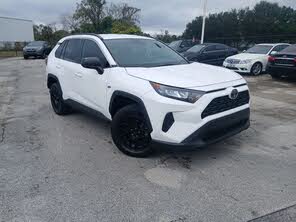
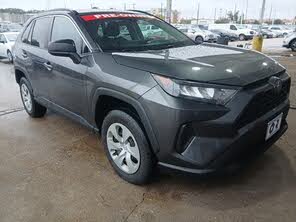
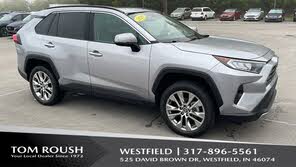
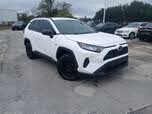
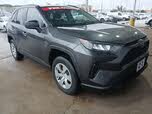
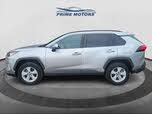
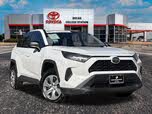
The 2020 Toyota RAV4, following its 2019 redesign, showcased a bolder and more angular appearance, setting it apart from its traditionally cute and durable predecessors. The Adventure trim, introduced in the previous year, enhanced its off-roading capabilities with a torque-vectoring all-wheel-drive system, multiple driving modes, and downhill assist control. The new TRD Off-Road trim for 2020 took these features further with smaller, lighter matte-black 18-inch alloy wheels, all-terrain tires, and a special TRD suspension setup, providing a versatile ride on various surfaces. The TRD Off-Road's distinct wheels, tires, and badges, along with the Lunar Rock gray paint with an optional white roof, added to its rugged appeal. Inside, the TRD logos, rubber floor mats, and quality construction contrasted with some inexpensive-looking plastic, making it a practical yet stylish choice.
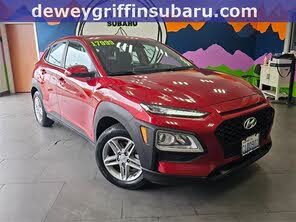
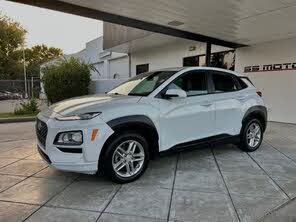
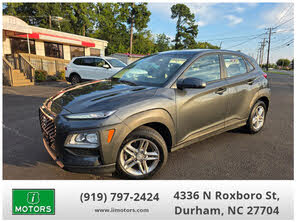
The 2021 Hyundai Kona, with its funky and playful design, targeted younger buyers. Its front grille, flanked by multiple lighting features and fog lights, created a busy yet appealing look. The rear, however, was more subdued with a standard crossover shape. Inside, the Kona maintained a fun attitude without being overly whimsical. The seats featured neat patterns and standard cloth upholstery, with higher trims offering leather options. The well-organized interior included a high-mounted infotainment system touchscreen and physical climate controls, making it simple and intuitive to use. The overall design was compact yet functional, catering to the needs of its target audience.


The 2020 Toyota RAV4 came with a 2.5-liter 4-cylinder engine producing 203 horsepower and 184 pound-feet of torque. The RAV4 Hybrid, a separate model, offered 219 horsepower and up to 40 mpg in combined driving but was not available in the TRD Off-Road trim. The non-turbo, non-hybrid powertrain of the test vehicle delivered good numbers for its class, feeling energetic, especially in Sport mode. An 8-speed automatic transmission handled power delivery, though it occasionally struggled with gear selection. The TRD Off-Road model featured a torque-vectoring AWD system with fuel-saving driveline disconnect technology and multiple terrain-specific driving modes. With 8.6 inches of ground clearance, it excelled in off-road conditions. The test vehicle averaged 23.4 mpg, slightly below the EPA estimate of 27 mpg in combined driving.
The 2021 Hyundai Kona offered two powertrain options: a 2.0-liter four-cylinder engine with 147 horsepower and 132 pound-feet of torque, and a turbocharged 1.6-liter engine with 195 horsepower and 195 pound-feet of torque. The base engine came with a six-speed automatic transmission, while the turbocharged engine had a seven-speed dual-clutch automatic transmission. Front-wheel drive was standard, with all-wheel drive available for an additional $1,400. The Kona's engines provided ample power for city and highway driving, though the dual-clutch transmission was less smooth at low speeds. The Kona handled confidently, offering a fun and engaging driving experience. Fuel economy varied by configuration, with the base engine and FWD achieving 27/33/30 mpg city/highway/combined, and the turbo engine with AWD delivering 26/29/27 mpg.
The 2020 Toyota RAV4 offered easy entry and exit with well-placed seating hip points. The 8-way adjustable driver's seat provided a low and sporty driving position, while the front passenger seat, though lacking height adjustment, offered good thigh support. The TRD Off-Road trim featured SofTex upholstery, which could trap sweat on hot days, but the optional Weather Package added heated and ventilated front seats and a heated steering wheel. Rear passengers enjoyed generous legroom, air conditioning vents, and USB ports. Interior storage was ample, with a useful dashboard shelf. Cargo space measured 37.6 cubic feet behind the rear seats, expanding to 69.8 cubic feet with the seats folded. The test vehicle also had a robust roof rack and an optional hands-free power liftgate.
The 2021 Hyundai Kona provided decent headroom and legroom for front-seat passengers, with controls and displays easily accessible. The front seats were wide and well-padded but could use more support. Rear-seat passengers found good headroom but limited legroom. The large rear door openings facilitated loading and unloading children, though large rear-facing car seats could pose issues for taller front passengers. The Kona's cargo space was limited compared to competitors, but the rear seats folded to expand the area. Small-item storage was generous, with large door pockets and a spacious center console.
The 2020 Toyota RAV4 featured a user-friendly infotainment system with a 7- or 8-inch touchscreen display, depending on the trim level. The system included Bluetooth, Apple CarPlay, Android Auto, Amazon Alexa, SiriusXM satellite radio, and multiple connected services packages. A 4G LTE WiFi hotspot was available with a free 3-month trial. The TRD Off-Road trim's 8-inch system had some glare issues but was otherwise easy to use, with menu shortcut buttons and knobs for volume and tuning. Upgrades included an embedded navigation system and a JBL premium sound system. The TRD Off-Road's voice-recognition technology was impressive, accurately responding to commands. The optional Technology Package added wireless smartphone charging, a 360-degree surround-view camera, and a digital rear-view mirror with adjustable camera settings.
The 2021 Hyundai Kona came with an eight-inch infotainment system touchscreen, Bluetooth, six speakers, wireless Apple CarPlay and Android Auto, and USB inputs. Available tech included SiriusXM radio, navigation, wireless device charging, a Harman Kardon audio system, and a 10.25-inch touchscreen system. Hyundai's infotainment software was simple, colorful, and responsive, making it easy to navigate. Wireless Apple CarPlay and Android Auto were significant benefits, especially for lower trims, providing navigation, streaming audio, and voice controls.
The 2020 Toyota RAV4 included Toyota Safety Sense 2.0 (TSS 2.0) as standard, featuring advanced driving assist safety features like Pre-Collision System with Pedestrian Detection, radar adaptive cruise control, lane departure alert with steering assist, front and rear parking assist with automated braking, and blind spot assist with rear cross-traffic alert. Toyota also offered a free 1-year subscription to Safety Connect services, including automatic collision notification, SOS emergency assistance, and enhanced roadside assistance. The RAV4 received a Top Safety Pick rating from the IIHS, with top marks for crash protection and ADAS performance, though headlight performance varied by model.
The 2021 Hyundai Kona earned a Top Safety Pick from the IIHS and a five-star overall rating from the NHTSA. Standard safety features included forward-collision warning, pedestrian detection, lane-keeping assist, lane-following assist, automatic emergency braking, adaptive cruise control, a driver attention warning system, and rear occupant alert. Optional features included blind-spot monitoring, rear cross-traffic alert, a head-up display, and parking sensors.
CarGurus highlights

According to CarGurus experts, the overall rating for the 2020 Toyota RAV4 is 8.7 out of 10, while the 2021 Hyundai Kona scores 7.2 out of 10. Based on these ratings, the 2020 Toyota RAV4 is the recommended choice, offering superior performance, safety, and versatility.
Choose the 2021 Hyundai Kona if:
- You want a fun and stylish SUV with a youthful design.
- You appreciate a user-friendly infotainment system with wireless Apple CarPlay and Android Auto.
- You seek a compact SUV with engaging driving dynamics.





Choose the 2020 Toyota RAV4 if:
- You need a versatile SUV with excellent off-road capabilities.
- You value advanced safety features and a high safety rating.
- You prefer a spacious interior with ample cargo space.




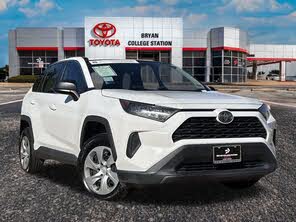

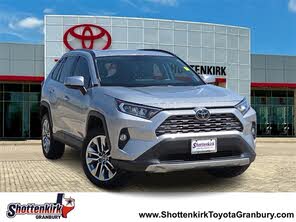
CarGurus highlights
According to CarGurus experts, the overall rating for the 2020 Toyota RAV4 is 8.7 out of 10, while the 2021 Hyundai Kona scores 7.2 out of 10. Based on these ratings, the 2020 Toyota RAV4 is the recommended choice, offering superior performance, safety, and versatility.
Choose the 2021 Hyundai Kona if:
Shop Now- You want a fun and stylish SUV with a youthful design.
- You appreciate a user-friendly infotainment system with wireless Apple CarPlay and Android Auto.
- You seek a compact SUV with engaging driving dynamics.






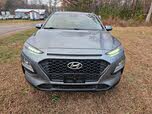



Choose the 2020 Toyota RAV4 if:
Shop Now- You need a versatile SUV with excellent off-road capabilities.
- You value advanced safety features and a high safety rating.
- You prefer a spacious interior with ample cargo space.
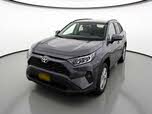




By: CarGurus + AI
At CarGurus, our team of experienced automotive writers remain at the heart of our content operation, conducting hands-on car tests and writing insightful guides that are backed by years of industry experience. To complement this, we are harnessing AI to make our content offering more diverse and more helpful to shoppers than ever. To achieve this, our AI systems are based exclusively on CarGurus content, ratings and data, so that what we produce is both unique to CarGurus, and uniquely helpful to car shoppers.