2020 Subaru Legacy vs 2020 Toyota Prius

Overview | |
MSRP$22,745 | MSRP$24,325 |
Listings8 | Listings2 |
Ratings & Reviews | |
User Reviews | User Reviews |
Expert reviews7.8 out of 10 | Expert reviews7.5 out of 10 |
Pros
Cons
| Pros
Cons
|
2020 Subaru Legacy Reviews SummaryIt’s something we’ve said almost exhaustively on this site: Crossovers are king, and the age of sedans owning the road has waned. But you can’t fault us for reporting what’s happening out there, and if you bought your first car more than a decade ago, this may still be news to you. Their combination of cargo space, passenger space, and added ride height—with a seemingly minimal penalty when it comes to fuel economy—contributed largely to the proliferation of SUVs over the past 10 years. But what of the humble sedan? And what is an automaker to do when one of its best-selling segments becomes passé? If that automaker is Subaru, the play is to lean into the niche. For the 4-door, 5-passenger Legacy, that means a focus on practicality, efficiency, and safety. The Legacy has long been a pragmatic choice thanks to its standard all-wheel-drive (AWD), fuel-efficient engines, and easy-to-use interiors. The 2020 Legacy can still boast AWD and strong mileage, but Subaru has made some major changes inside its midsize sedan in an attempt to go more mainstream and grab a larger slice of the shriveling sedan market. Some of the technology Subaru added has been great, but one major change to the dash of the new Legacy makes us ask what Subaru is thinking. | |
2020 Toyota Prius Reviews SummaryEver heard of an eponym? It’s a brand or product that is so popular that it’s come to define its respective market. Think of Kleenex for tissues or Band-Aid for medical bandages. For hybrids, the Toyota Prius has ascended to near-eponym status. It was one of the first—and remains one of the most popular—hybrids ever made. As automakers across the industry are rolling out more hybrid models, the Prius continues to be the standard-bearer of this genre. This is largely due to the fact that the Prius is a dedicated hybrid, rather than a hybrid variant of an existing model. Throughout the industry, different companies are taking different approaches to alt-fuel vehicles, including full-electric and hydrogen fuel cell powertrains. The Prius endures as the leader in hybrid power due to a focus on fuel efficiency that doesn’t compromise on style, drivability, and versatility. So how does the Prius hold its ground as more players enter the fray? Read on to find out. | |
No video found | |
Popular Features & Specs | |
Engine2.5L 182 hp H4 | Engine1.8L 121 hp I4 Hybrid |
Drive TrainAWD | Drive TrainFWD |
Seating Capacity5 | Seating Capacity5 |
Horsepower182 hp @ 5800 rpm | Horsepower |
EV Battery Capacity | EV Battery Capacity0.7 kWh |
MPG City27 | MPG City58 |
MPG Highway35 | MPG Highway53 |
Engine | |
Engine Name2.5L 182 hp H4 | Engine Name1.8L 121 hp I4 Hybrid |
Torque178 lb-ft @ 4400 rpm | Torque |
Horsepower182 hp @ 5800 rpm | Horsepower |
DrivetrainAWD | DrivetrainFWD |
Fuel Economy | |
EV Battery Capacity | EV Battery Capacity0.7 kWh |
MPG City27 | MPG City58 |
MPG Highway35 | MPG Highway53 |
Interior | |
Seating Capacity5 | Seating Capacity5 |
Safety | |
Front Crash Overall5 | Front Crash Overall4 |
Side Crash Overall5 | Side Crash Overall5 |
Dimensions & Capacity | |
Cargo Space15.1 cu ft | Cargo Space27.4 cu ft |
Curb Weight3499 lbs | Curb Weight3010 lbs |
Height59.1 in | Height57.9 in |
Length190.6 in | Length180.0 in |
Width82.0 in | Width69.3 in |
Wheelbase108.3 in | Wheelbase106.3 in |
Maximum Payload | Maximum Payload825 lbs |
Number of doors4 | Number of doors4 |
Overview | ||
MSRP | $22,745 | $24,325 |
Listings | ||
Ratings & Reviews | ||
User reviews | ||
Expert reviews | 7.8 out of 10Read full review | 7.5 out of 10Read full review |
Pros & cons | Pros
Cons
| Pros
Cons
|
Summary | It’s something we’ve said almost exhaustively on this site: Crossovers are king, and the age of sedans owning the road has waned. But you can’t fault us for reporting what’s happening out there, and if you bought your first car more than a decade ago, this may still be news to you. Their combination of cargo space, passenger space, and added ride height—with a seemingly minimal penalty when it comes to fuel economy—contributed largely to the proliferation of SUVs over the past 10 years. But what of the humble sedan? And what is an automaker to do when one of its best-selling segments becomes passé? If that automaker is Subaru, the play is to lean into the niche. For the 4-door, 5-passenger Legacy, that means a focus on practicality, efficiency, and safety. The Legacy has long been a pragmatic choice thanks to its standard all-wheel-drive (AWD), fuel-efficient engines, and easy-to-use interiors. The 2020 Legacy can still boast AWD and strong mileage, but Subaru has made some major changes inside its midsize sedan in an attempt to go more mainstream and grab a larger slice of the shriveling sedan market. Some of the technology Subaru added has been great, but one major change to the dash of the new Legacy makes us ask what Subaru is thinking. | Ever heard of an eponym? It’s a brand or product that is so popular that it’s come to define its respective market. Think of Kleenex for tissues or Band-Aid for medical bandages. For hybrids, the Toyota Prius has ascended to near-eponym status. It was one of the first—and remains one of the most popular—hybrids ever made. As automakers across the industry are rolling out more hybrid models, the Prius continues to be the standard-bearer of this genre. This is largely due to the fact that the Prius is a dedicated hybrid, rather than a hybrid variant of an existing model. Throughout the industry, different companies are taking different approaches to alt-fuel vehicles, including full-electric and hydrogen fuel cell powertrains. The Prius endures as the leader in hybrid power due to a focus on fuel efficiency that doesn’t compromise on style, drivability, and versatility. So how does the Prius hold its ground as more players enter the fray? Read on to find out. |
Video | No video found | |
Popular Features & Specs | ||
Engine | 2.5L 182 hp H4 | 1.8L 121 hp I4 Hybrid |
Drive Train | AWD | FWD |
Seating Capacity | 5 | 5 |
Horsepower | 182 hp @ 5800 rpm | |
EV Battery Capacity | 0.7 kWh | |
MPG City | 27 | 58 |
MPG Highway | 35 | 53 |
Engine | ||
Engine Name | 2.5L 182 hp H4 | 1.8L 121 hp I4 Hybrid |
Torque | 178 lb-ft @ 4400 rpm | |
Horsepower | 182 hp @ 5800 rpm | |
Drivetrain | AWD | FWD |
Fuel Economy | ||
EV Battery Capacity | 0.7 kWh | |
MPG City | 27 | 58 |
MPG Highway | 35 | 53 |
Interior | ||
Seating Capacity | 5 | 5 |
Safety | ||
Front Crash Overall | 5 | 4 |
Side Crash Overall | 5 | 5 |
Dimensions & Capacity | ||
Cargo Space | 15.1 cu ft | 27.4 cu ft |
Curb Weight | 3499 lbs | 3010 lbs |
Height | 59.1 in | 57.9 in |
Length | 190.6 in | 180.0 in |
Width | 82.0 in | 69.3 in |
Wheelbase | 108.3 in | 106.3 in |
Maximum Payload | 825 lbs | |
Number of doors | 4 | 4 |
The 2020 Subaru Legacy presented a pragmatic sensibility in its design, which, while handsome, struggled to stand out among its competitors. Its styling featured sharp angles and details, yet it lacked the boldness seen in rivals like the Honda Accord and Toyota Camry. The Legacy's front end appeared smaller, often leading to confusion with the compact Subaru Impreza. Despite these design challenges, the Legacy aimed to appeal to mainstream buyers, but its resemblance to a sedan version of the Outback suggested Subaru could have done more to differentiate it. Inside, the Legacy boasted a massive 11.6-inch touchscreen, though many features were buried within its digital interface, complicating simple tasks like adjusting climate controls. The Legacy offered six trims, with the Premium trim being particularly recommended for its features, including the All-Weather Package, which added practical elements like heated seats and a windshield wiper de-icer.
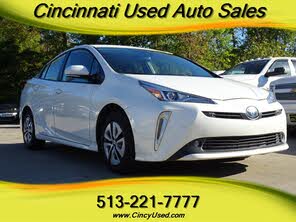
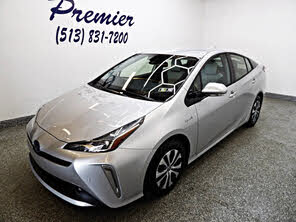
The 2020 Toyota Prius maintained its iconic shape, optimized for aerodynamics, with subtle styling updates to give it a more sedan-like appearance while retaining its hatchback functionality. The Prius's futuristic design remained contemporary, with a cabin defined by its central instrumentation and gauges. The Prius offered four trims: L Eco, LE, XLE, and Limited. The base L Eco trim came well-equipped with features like a 7-inch touchscreen, Apple CarPlay, Android Auto, and a suite of driver-assistance features. The XLE trim added luxury touches such as synthetic leather upholstery and heated front seats, while the Limited trim featured an 11.6-inch touchscreen and additional tech options. The Prius's design and features made it a versatile and spacious choice among hybrid vehicles.


The 2020 Subaru Legacy was powered by a 2.5-liter boxer 4-cylinder engine in its base, Premium, Sport, and Limited trims, delivering 182 horsepower and 176 pound-feet of torque. This engine was paired with a continuously variable transmission (CVT) and standard all-wheel drive (AWD). The Legacy's transmission offered a manual mode with paddle shifters for simulated gear changes, though the transmission's responsiveness often made this feature unnecessary. The Legacy excelled in city driving with its quick off-the-line performance, but reaching highway speeds required effort and generated significant noise. For those seeking more power, the Limited XT and Touring XT trims featured a 2.4-liter turbocharged boxer 4-cylinder engine, producing 260 horsepower and 270 pound-feet of torque. This engine also used a CVT with manual mode and paddle shifters. The Legacy's chassis impressed with precise cornering and refined ride quality, though the auto stop-start system, designed to conserve fuel, was jarring in operation. The Legacy achieved fuel economy ratings of 27 mpg city, 35 highway, and 30 combined with the base engine, while the turbocharged engine saw a slight decrease to 24 city, 32 highway, and 27 combined.
The 2020 Toyota Prius featured a hybrid powertrain with a 1.8-liter four-cylinder engine, an electric motor, and battery power, combining for 121 horsepower and 105 pound-feet of torque. The Prius came with front-wheel drive (FWD) as standard, while an all-wheel-drive (AWD) variant, the Prius AWD-e, was available. The AWD-e used a second electric motor to power the rear wheels at speeds up to 43 mph. The Prius offered smooth and confident acceleration, particularly at lower speeds, with a seamless transition between electric and conventional power. It provided three drive modes: EV, Eco, and Power, each catering to different driving preferences. The unique shifter design required some adjustment, with a separate button for Park and an Engine Braking mode for downhill driving. The Prius's handling was engaging, thanks to its low center of gravity, and it delivered a smooth ride, making it ideal for daily commutes.
The 2020 Subaru Legacy offered solid trunk space for a sedan, with 15.1 cubic feet available, slightly improved from the previous model year. However, it couldn't match the cargo capacity of crossovers like the Subaru Forester or Impreza hatchback. The Legacy surprised with its generous backseat head- and legroom, accommodating taller passengers comfortably. The rear seats featured conveniences like in-door cupholders, a fold-down center armrest with additional cupholders, and rear USB ports in certain trims. The front seats were supportive, with deep door pockets for storage. However, the center stack's tray was somewhat cramped, making it challenging to access the USB port.
The 2020 Toyota Prius made excellent use of its space, with a versatile compact platform. The doors featured deep pockets for storage, and a large tray area between the front seats provided a convenient spot for personal items. The front seats offered ample headroom and legroom, with good driver visibility. The rear seats also provided sufficient space, though taller passengers needed to be cautious when entering and exiting. The Prius excelled in cargo capacity, offering 50.7 cubic feet with the rear seats folded. With the rear seats up, the LE and AWD-e models provided 24.6 cubic feet, while other trims offered 27.4 cubic feet. The hatchback design facilitated easy loading of bags and large items, making the Prius a spacious and practical choice among hybrid vehicles.
The 2020 Subaru Legacy featured a prominent 11.6-inch touchscreen with the Starlink infotainment system. While the screen's icons were large and easy to read, the system's functionality was hindered by its complexity. Simple tasks like adjusting heated seats or climate controls required multiple steps, detracting from user-friendliness. The portrait orientation of the screen compressed Apple CarPlay into a smaller section, which was a drawback for many users. Despite these issues, the system was free of lag and bugs, and Subaru retained physical volume and tuning knobs. The Legacy's tech was present across all trims except the base, which had a dual-screen setup with similar challenges.
The 2020 Toyota Prius came standard with a 7-inch touchscreen, offering a user-friendly menu layout. It included Android Auto, Apple CarPlay, Bluetooth connectivity, a WiFi hotspot, and three USB ports. The Limited trim upgraded to an 11.6-inch screen with a portrait layout, customizable for climate and entertainment controls. However, this larger screen lacked Android Auto support. The Prius offered additional tech options like satellite radio, HD Radio, a head-up display (HUD), and a 10-speaker JBL premium audio system. The top-center instrument panel, a hallmark of Prius design, displayed hybrid drivetrain status and other critical information, with menus accessible via the steering wheel's directional pad.
The 2020 Subaru Legacy came equipped with Subaru's EyeSight suite of driver-assistance features, including forward-collision warning, lane-departure warning, and adaptive cruise control. EyeSight's alerts were signaled through a head-up light system on the dash, providing intuitive notifications. A notable feature was the alert triggered when the car in front started moving, helping prevent traffic backups. Standard safety features included front- and side-impact airbags, traction control, a reversing camera, and a tire pressure monitoring system (TPMS).
The 2020 Toyota Prius featured Toyota Safety Sense 2.0, offering standard safety features like automatic emergency braking, forward-collision warning, lane-departure warning, adaptive cruise control, and automatic high beams. Optional safety features included blind-spot monitoring, rear cross-traffic alert, front-and-rear parking sensors, and active park assist. Lane-tracing assist helped center the vehicle in its lane, reducing driver workload. The Prius earned a five-star rating from the National Highway Traffic Safety Administration (NHTSA) and a "Top Safety Pick" accolade from the Insurance Institute for Highway Safety (IIHS), though it fell short of the highest "Top Safety Pick+" rating due to "average" scores in certain tests.
CarGurus highlights

According to CarGurus experts, the overall rating for the 2020 Subaru Legacy is 7.8 out of 10, while the 2020 Toyota Prius scores 7.5 out of 10. Based on these ratings, the Subaru Legacy is recommended for its superior handling, spacious interior, and all-wheel-drive capability, making it a well-rounded choice for those seeking a practical and comfortable sedan.
Choose the 2020 Subaru Legacy if:
- You prioritize all-wheel drive for enhanced traction and stability.
- You value a spacious backseat with ample head
- and legroom.
- You prefer a sedan with a refined ride quality and precise cornering.


Choose the 2020 Toyota Prius if:
- You seek exceptional fuel efficiency and hybrid technology.
- You need a versatile hatchback with generous cargo space.
- You appreciate a user-friendly infotainment system with standard Android Auto and Apple CarPlay.
CarGurus highlights
According to CarGurus experts, the overall rating for the 2020 Subaru Legacy is 7.8 out of 10, while the 2020 Toyota Prius scores 7.5 out of 10. Based on these ratings, the Subaru Legacy is recommended for its superior handling, spacious interior, and all-wheel-drive capability, making it a well-rounded choice for those seeking a practical and comfortable sedan.
Choose the 2020 Subaru Legacy if:
Shop Now- You prioritize all-wheel drive for enhanced traction and stability.
- You value a spacious backseat with ample head
- and legroom.
- You prefer a sedan with a refined ride quality and precise cornering.


Choose the 2020 Toyota Prius if:
Shop Now- You seek exceptional fuel efficiency and hybrid technology.
- You need a versatile hatchback with generous cargo space.
- You appreciate a user-friendly infotainment system with standard Android Auto and Apple CarPlay.


By: CarGurus + AI
At CarGurus, our team of experienced automotive writers remain at the heart of our content operation, conducting hands-on car tests and writing insightful guides that are backed by years of industry experience. To complement this, we are harnessing AI to make our content offering more diverse and more helpful to shoppers than ever. To achieve this, our AI systems are based exclusively on CarGurus content, ratings and data, so that what we produce is both unique to CarGurus, and uniquely helpful to car shoppers.

