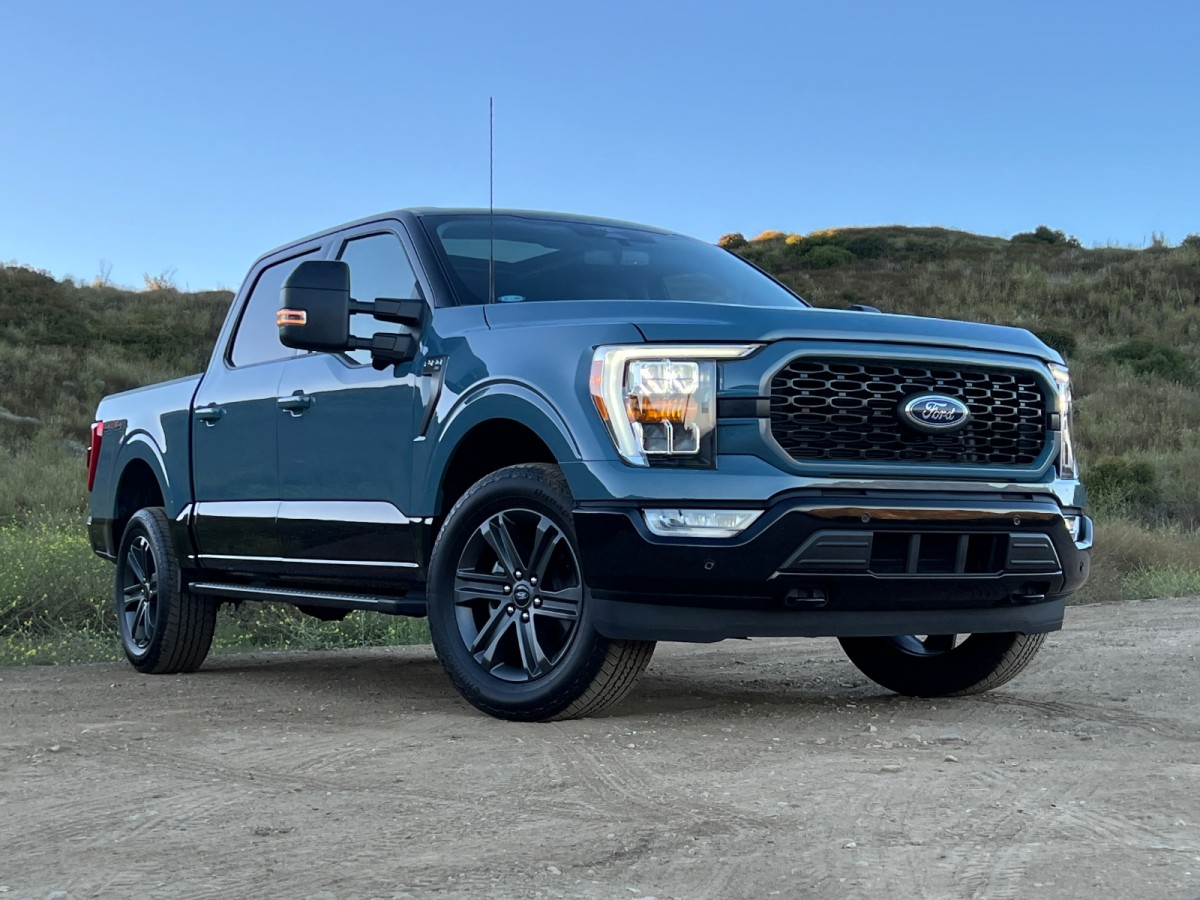
What is a Good Price for a Used F-150 in Philadelphia, PA?
Used F-150s in Philadelphia average $34,201 — a 1.1% discount versus the national average of $34,568. The savings are modest on aggregate, but individual model years tell a more compelling story, with select years offering meaningful local discounts and notably lower mileage.
Price by Model Year in Philadelphia, PA
The F-150 spans two main generations on the used market: the 14th generation (2021–present) with its hybrid option and modern tech, and the aluminum-bodied 13th generation (2015–2020) that dominates volume listings. The 12th generation (2009–2014) offers budget entry points, while the 11th generation (2004–2008) should be approached with caution due to known engine issues.
| Model Year |
Philadelphia Avg. Price |
National Avg. Price |
Philadelphia Avg. Mileage |
| 2026 |
$74,998 |
$76,967 |
368 miles |
| 2025 |
$56,415 |
$55,861 |
17,373 miles |
| 2024 |
$57,099 |
$49,142 |
29,560 miles |
| 2023 |
$47,461 |
$44,186 |
35,530 miles |
| 2022 |
$40,168 |
$39,412 |
58,802 miles |
| 2021 |
$35,484 |
$34,051 |
76,652 miles |
| 2020 |
$31,339 |
$29,573 |
80,973 miles |
| 2019 |
$28,783 |
$26,838 |
93,640 miles |
| 2018 |
$27,010 |
$24,320 |
105,318 miles |
| 2017 |
$21,116 |
$22,034 |
104,492 miles |
| 2016 |
$18,989 |
$19,360 |
126,559 miles |
| 2015 |
$17,734 |
$18,104 |
127,790 miles |
| 2014 |
$15,576 |
$15,355 |
134,997 miles |
14th Generation (2021–2026): $35,484–$74,998
The newest F-150s command premium pricing, and Philadelphia buyers pay slightly above national averages for most of these years. The 2026 model at $74,998 carries a 2.6% local discount versus national pricing ($76,967), while 2024 models show the steepest local premium at 16.2% above national ($57,099 vs. $49,142). The 2021 model at $35,484 with 76,652 average miles represents the entry point into this generation's modern features — Sync 4 infotainment, hybrid option, and improved safety tech.
13th Generation (2015–2020): $17,734–$31,339
The volume sweet spot for Philadelphia buyers. The aluminum-bodied 13th generation introduced better rust protection — particularly relevant for Mid-Atlantic winters. The 2017 model year stands out at $21,116, a 4.2% local discount versus $22,034 nationally, with average mileage of 104,492 — a full 16.3% below the national average of 124,771. The 2015 and 2016 models also show modest local discounts at 2.0% and 1.9% respectively. The 2020 model at $31,339 dominates local inventory with 1,150 listings.
12th Generation (2014 and earlier): $15,576
The 2014 model is the oldest year in local data, averaging $15,576 with 134,997 miles. It's known for good reliability across the board, making it a reasonable budget entry point. However, pricing sits 1.4% above the national average of $15,355 — not a bargain, but a solid truck for the money if you can live with higher mileage.
Understanding the Philadelphia Price Context
Competitive but not discounted: Philadelphia's F-150 pricing tracks close to national averages, with the aggregate 1.1% discount translating to about $367 in savings. This isn't a deep-discount market — the real value is in condition. Local trucks average 79,275 miles versus 85,544 nationally, a 7.3% mileage advantage that matters on a vehicle designed for heavy use.
High-inventory market: With 1,062 local listings, Philadelphia buyers have strong selection. The 2019 and 2020 model years are especially well-represented, with inventory shares exceeding 100% of the expected local allocation — meaning these years are disproportionately available here compared to other markets.
Four-season relevance: Philadelphia's cold winters and salted roads make the 13th-generation's aluminum body panels (2015+) particularly valuable. Unlike steel-bodied older generations, aluminum doesn't rust — a genuine long-term ownership advantage in the Mid-Atlantic.
Premium on newer models: The 2024 model year shows the highest local premium at 16.2% above national pricing. Demand for late-model, low-mileage F-150s runs strong here, likely driven by commercial and fleet buyers in the region. Buyers willing to consider 2017–2020 models will find better relative value.
Good and Great Deals in Philadelphia, PA
40% of Philadelphia F-150 listings qualify as Good or Great Deals — meaningfully better than the national average of 35%. The 11% Great Deal rate locally exceeds the 9% national rate, and the 29% Good Deal rate outpaces the 25% national figure. Focus your search on 2017 and 2015–2016 model years where local pricing runs below national averages.
| Deal Rating |
Philadelphia Percentage |
National Percentage |
| Great Deals |
11% |
9% |
| Good Deals |
29% |
25% |
Philadelphia's 11% Great Deal rate significantly exceeds the national 9%. The 2017 and 2015–2016 model years show particularly strong local value.
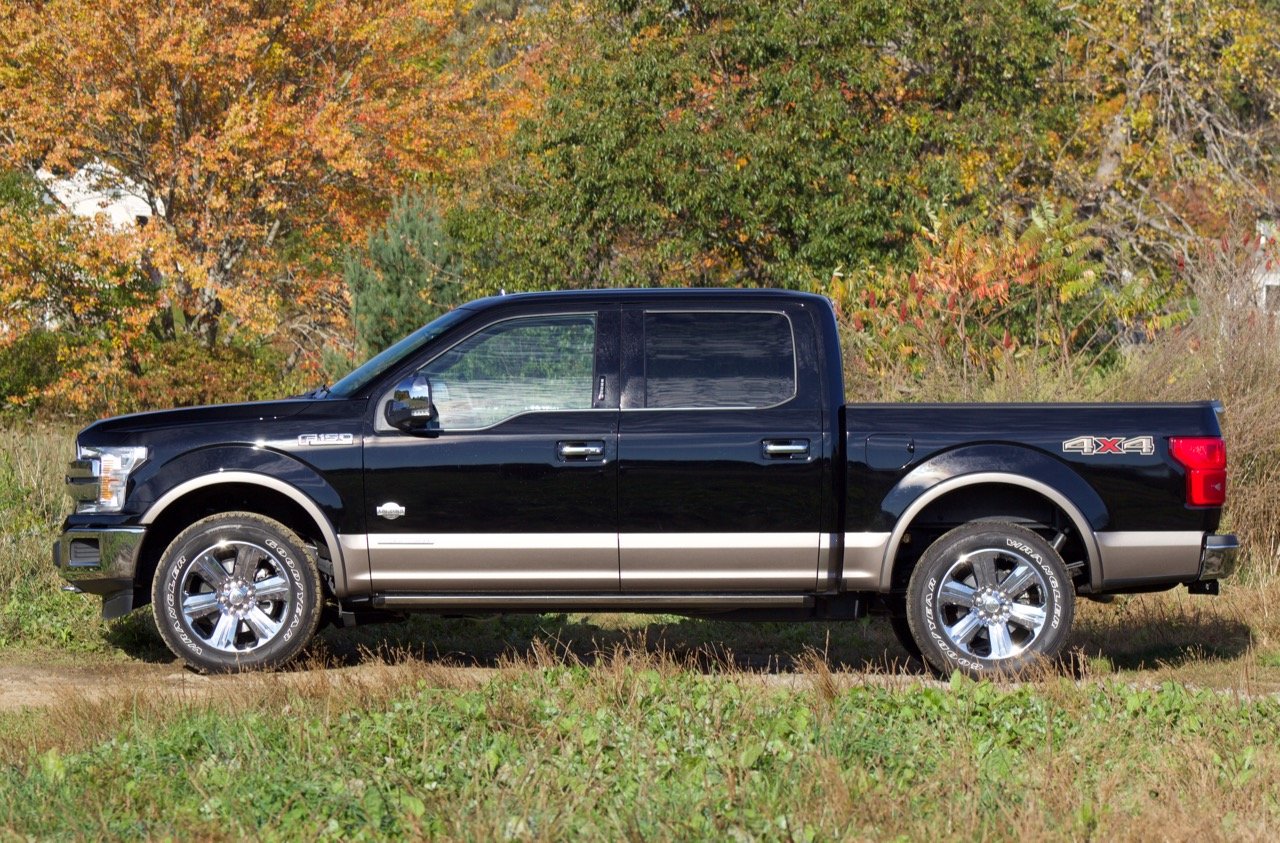
What is the Most Reliable Used F-150 in Philadelphia, PA?
The Ford F-150's reliability varies significantly by generation and powertrain. Unlike some trucks where reliability is consistent across the board, the F-150's long production run and diverse engine lineup mean your choice of model year and engine matters — especially in a market like Philadelphia, where road salt and freeze-thaw cycles test every component.
Most Reliable by Era
13th Generation, Late Models (2018–2020)
The most reliable recent F-150s. Ford addressed the electrical issues that plagued the 2016 model and the EcoBoost cooling problems in the 2017. Both years earned better reliability marks than their predecessors and feature improved rust protection on body panels — a critical factor for Philadelphia's salted winter roads. In the local market, 2019 models average 93,640 miles, 11.4% below the national average of 105,685 miles, at $28,783. The 2018 at $27,010 averages 105,318 miles locally versus 114,374 nationally.
14th Generation (2021–Present)
The current F-150 carries over proven powertrains from the 13th generation but adds complexity with hybrid and (formerly) electric options. Documented issues include transmission slipping and stalling, four-wheel drive engagement problems, A/C failures, and infotainment connectivity issues. The 2021–2023 models were also recalled for rear axle bolt failures, and some 2024 models for loose windshields. These are capable trucks, but the expanded feature set introduces more potential failure points. Philadelphia's 2021 models average 76,652 miles.
12th Generation (2009–2014)
A mixed bag. The 2014 model is known for good reliability across the board, and 2011–2012 models with the EcoBoost V6 have earned solid reputations. However, the 2013 model has documented six-speed automatic transmission problems — slipping, unexpected downshifts, rough shifts, and loss of power under load. The 2014 model at $15,576 in Philadelphia with 134,997 average miles represents a reasonable budget entry point for buyers who want proven reliability.
11th Generation (2004–2008)
Approach with extreme caution. The 2005 and 2006 model years are known for serious Triton V8 engine problems, including blown or stuck spark plugs, engine misfires, and exhaust system failures. These issues can be expensive to repair and aren't uncommon at high mileage. While prices are attractive, the potential for major engine work makes these a risky proposition — especially in a market where 12th-generation trucks are available at similar or modestly higher prices.
Key Model Year Improvements
Key Improvements by Model Year — 13th Generation (2015–2020)
| Model Year |
Key Improvements |
| 2015 |
All-aluminum body debuts, reducing weight by up to 700 lbs; new 2.7L EcoBoost V6 added to lineup |
| 2017 |
Raptor returns without SVT designation; 10-speed automatic transmission introduced; second-gen 3.5L EcoBoost |
| 2018 |
Standard rear-view camera; improved reliability vs. 2016–2017; better rust protection on body panels; advanced driver assistance features added |
| 2019 |
Continued reliability improvements; Apple CarPlay and Android Auto available across all trims |
Truck-Specific Reliability Considerations
Powertrain Selection Matters
The F-150 offers an unusually wide range of engines — from V6 to EcoBoost turbo V6 to V8 to diesel to hybrid. The 2.7L and 3.5L EcoBoost engines have proven durable in 2018+ models, but the 3.5L EcoBoost in 2017 models had coolant leak and overheating issues. The naturally aspirated V6 in base models is simpler and cheaper to maintain. Choose your engine based on how you'll use the truck.
Transmission Reliability
The six-speed automatic in 12th-generation models (particularly 2013) has documented slipping and rough-shifting problems. The 10-speed automatic introduced in the 13th generation is generally smoother but adds complexity. In the 14th generation, transmission slipping and power loss are among the most commonly reported issues. Test any used F-150 thoroughly through all gears, including under load.
Four-Wheel Drive Systems
F-150s equipped with 4WD — essential for Philadelphia winters — add transfer cases and front axle components that need inspection. The 14th generation has specific reports of four-wheel drive engagement issues. Check for smooth engagement in and out of 4WD, and listen for unusual noises during transitions.
Electrical Systems (2016 and 2021+)
The 2016 model year is notorious for electrical problems affecting infotainment, safety sensors, cameras, and power steering. The 14th generation also reports infotainment and A/C system issues. In Philadelphia's humidity and temperature extremes, electrical connections can corrode faster — inspect wiring harnesses and connectors carefully on these years.
What to Check When Buying
- Undercarriage Rust (All Years): Philadelphia's road salt accelerates rust on frame components, suspension parts, and brake lines. Aluminum body panels on 2015+ models resist body rust, but the steel frame underneath does not. Inspect the frame, cross-members, and suspension mounts carefully.
- Engine Oil Consumption (2004–2008 Triton V8): Check oil levels before and after a test drive. Ask about oil consumption history. Blown spark plugs on Triton V8s are expensive to repair and a sign of underlying issues.
- Transmission Behavior (All Years): Drive through all gears including reverse. Tow something if possible. Listen for clunks, hesitation, or rough shifts. The 2013 six-speed and 14th-gen 10-speed are most prone to issues.
- Four-Wheel Drive Engagement: Test 4WD High and 4WD Low. Listen for grinding or delayed engagement. Check the transfer case for leaks.
- Turbocharger Health (EcoBoost Models): Listen for whining, whistling, or loss of boost. Check intercooler pipes for leaks. On 2017 models specifically, inspect the cooling system for evidence of coolant leaks.
- Recall Completion (2021–2024): Verify that rear axle bolt recalls (2021–2023) and windshield recalls (2024) have been completed. Run the VIN through Ford's recall lookup tool.
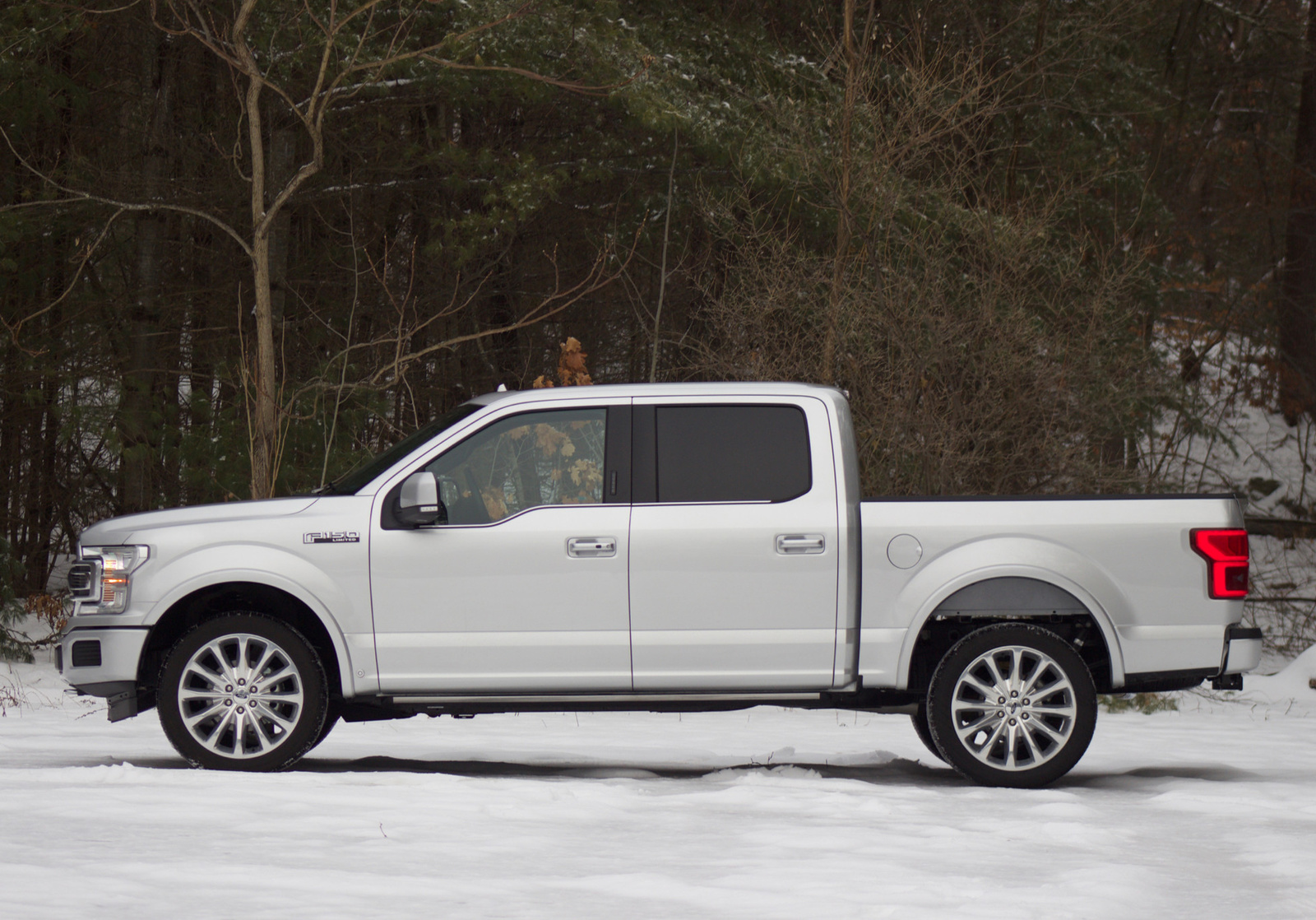
Best and Worst F-150 Years in Philadelphia, PA
With 13 model years represented in local inventory, choosing the right F-150 year matters more than usual — the gap between the best and worst years is wide, spanning both reliability and value. For more information on the F-150 by generation and model year, check out our F-150 Buying Guide.
Best F-150 Years for Philadelphia, PA
| Category |
Best Years |
Local Avg. Price |
Why They're Best |
| Best Overall |
2018–2019 |
$27,010–$28,783 |
Most reliable 13th-gen years, improved rust protection, lower local mileage |
| Best Value |
2017 |
$21,116 |
4.2% local discount, 16.3% lower mileage than national, 10-speed auto introduced |
| Best for Modern Features |
2022 |
$40,168 |
14th-gen with Sync 4, hybrid option, Pro Trailer Backup Assist, 58,802 mi avg |
| Best Local Discount |
2026 |
$74,998 |
2.6% below national ($76,967), near-new with 368 average miles |
Best Overall: 2018–2019
These two model years represent the refined end of the 13th generation, after Ford addressed the electrical issues of 2016 and the EcoBoost cooling problems of 2017. Both years earned better reliability marks than their predecessors and feature improved rust protection on body panels — ideal for Philadelphia's salt-heavy winters. Local 2019 models average 93,640 miles, 11.4% below the national average of 105,685 miles, at $28,783. The 2018 at $27,010 averages 105,318 miles locally versus 114,374 nationally.
Best Value: 2017
The 2017 model year is the standout value play in Philadelphia's F-150 market. At $21,116, it's 4.2% below the national average of $22,034, and local trucks average 104,492 miles — a full 16.3% below the national average of 124,771. This was the year Ford introduced the 10-speed automatic transmission and brought back the Raptor. The caveat: the 3.5L EcoBoost had known coolant leak issues this year. If buying a 2017, opt for the 2.7L EcoBoost or the V8.
Best for Modern Features: 2022
For buyers who want current-generation tech — Sync 4 infotainment, available hybrid powertrain, Pro Trailer Backup Assist — the 2022 model at $40,168 offers a reasonable entry point with 58,802 average miles locally, 15.8% below the national average of 69,832. Pricing sits just 1.9% above national, essentially at parity.
Best Local Discount: 2026
The newest model year in the market shows a 2.6% local discount at $74,998 versus $76,967 nationally, with near-new average mileage of just 368 miles. This is a premium price point, but Philadelphia buyers save roughly $2,000 versus the national market on these essentially new trucks.
Worst F-150 Years for Philadelphia, PA
| Years |
Local Avg. Price |
Avg. Mileage |
Concerns |
| 2016 |
$18,989 |
126,559 mi |
Extensive electrical issues: infotainment failures, sensor malfunctions, power steering loss |
| 2024 |
$57,099 |
29,560 mi |
16.2% local premium over national ($49,142); windshield recall; poor value relative to 2023 and 2025 |
Avoid: 2016
The 2016 F-150 is the most problematic year in the 13th generation, with well-documented electrical issues that can affect infotainment, safety sensors, rearview cameras, and — most critically — electrically assisted power steering. A sudden loss of power steering is dangerous at any speed but especially concerning on Philadelphia's tight city streets and highway on-ramps. At $18,989 with 126,559 average miles, the modest savings versus the more reliable 2017 ($21,116) aren't worth the risk. Spend the extra $2,100 and avoid the headaches.
Approach Carefully: 2024
The 2024 F-150 isn't unreliable, but it's a poor value in Philadelphia specifically. Local pricing averages $57,099 — a steep 16.2% premium over the national average of $49,142. That's roughly $8,000 more than buyers in other markets are paying for the same truck. Some 2024 models were also recalled for loose windshields. If you want a near-new 14th-gen F-150, the 2023 at $47,461 or the 2025 at $56,415 offer better relative value in this market.
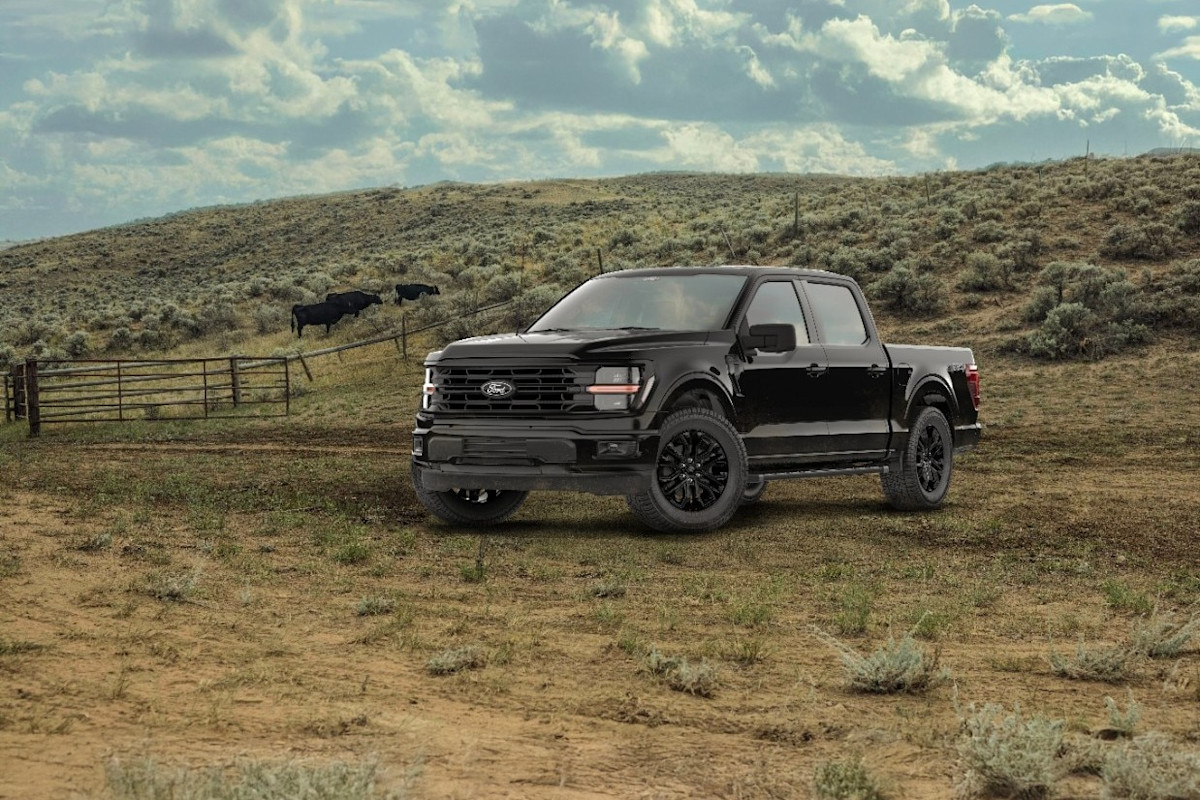
F-150 Pros and Cons
Philadelphia rewards the F-150's versatility. Four-season weather demands a truck that can handle snow, salt, and summer heat; the region's mix of urban streets, suburban commutes, and rural work sites calls for a vehicle that's as comfortable in traffic as it is hauling materials. The F-150 checks those boxes, with some caveats worth understanding.
Pros
Massive Configuration Options
The F-150 offers more configurations than any competitor — multiple cab sizes, bed lengths, engines, and trim levels from work-truck basic to luxury. Philadelphia buyers can find exactly the truck they need, whether that's an XL Regular Cab for job sites in Bucks County or a King Ranch crew cab for family duty. With 1,062 local listings spanning 13 model years, the selection is deep.
Proven EcoBoost Efficiency
The twin-turbocharged EcoBoost V6 engines deliver V8-level power with better fuel economy — a real advantage for Philadelphia commuters facing stop-and-go traffic on I-76 or the Blue Route. The 2.7L and 3.5L EcoBoost options in 2018+ models have established strong reliability track records, and the 14th-generation hybrid adds an electric motor for even better city fuel economy.
Aluminum Body Resists Rust (2015+)
Philadelphia's road salt is brutal on vehicles. The 13th-generation's switch to aluminum body panels in 2015 was transformative for long-term durability in the Mid-Atlantic. While the steel frame still needs protection, aluminum panels won't develop the body rust that plagues older steel-bodied trucks. This is a meaningful ownership advantage in this market specifically.
Strong Deal Quality Locally
40% of Philadelphia F-150 listings are Good or Great Deals, exceeding the national rate of 35%. The 11% Great Deal rate locally versus 9% nationally means patient shoppers have a genuine edge. The 2017 model year with its 4.2% local discount and 16.3% lower mileage represents particularly strong value.
Lower Local Mileage Than National Average
Philadelphia F-150s average 79,275 miles versus 85,544 nationally — 7.3% fewer miles on average. For a truck that's often used for towing, hauling, and commercial work, lower mileage translates directly to longer remaining lifespan. This advantage holds across most model years in the local market.
Excellent Aftermarket and Service Support
The F-150 is the bestselling vehicle in America, which means parts are universally available, every shop can service them, and aftermarket options are endless. In Philadelphia's dense network of dealerships and independent mechanics, you'll never struggle to find parts or expertise.
Cons
Newer Models Carry Local Premiums
While the aggregate Philadelphia discount is 1.1%, several high-demand model years actually cost more locally. The 2024 model averages $57,099 — 16.2% above the national average of $49,142. The 2018 and 2019 models also carry local premiums of 11.1% and 7.2% respectively. Philadelphia isn't a discount market for the most in-demand F-150 years.
Reliability Varies Sharply by Year and Engine
The F-150 doesn't offer the consistent, generation-wide reliability of some competitors. The 2016 has electrical problems, the 2017 EcoBoost has cooling issues, the 2013 has transmission problems, and 2004–2006 models have serious Triton V8 concerns. Buyers must research specific model years and engines carefully — a generic "F-150s are reliable" mindset can lead to expensive surprises.
Size and Urban Maneuverability
The F-150 is a full-size truck, and Philadelphia is a city built for horse-drawn carriages. Narrow streets in Center City, South Philly, and the older neighborhoods make daily driving and parking a challenge. Even the Regular Cab is over 200 inches long. If your primary use is city commuting, consider whether you truly need a full-size truck.
Fuel Costs Add Up
Even with EcoBoost efficiency, no full-size truck is fuel-efficient by car standards. Expect 17–25 mpg in mixed driving for most gas engines, which adds up quickly during Philadelphia commutes. The hybrid improves city numbers but commands a significant price premium. Budget for fuel costs alongside the purchase price.
Steel Frame Still Rusts
While the aluminum body on 2015+ models is a genuine advantage, the frame, suspension components, and brake lines are still steel — and still vulnerable to Philadelphia's road salt. Annual undercarriage inspections and rust-proofing treatments are essential for long-term ownership in this market. Don't let the aluminum body create a false sense of security about the entire truck.
Who Should Buy an F-150 in Philadelphia, PA?
Ideal buyers based on data patterns:
- Contractors and tradespeople who need towing and hauling capability for work across the Philadelphia metro area and surrounding counties
- Suburban families in Bucks, Montgomery, or Delaware County who need a versatile vehicle for daily commutes and weekend projects
- Buyers targeting 2017 models, where the 4.2% local discount and 16.3% lower mileage create genuinely strong value
- Four-season drivers who want the 2015+ aluminum body advantage for salt resistance
- Budget buyers willing to consider the 2014 model ($15,576) for its good reliability reputation at an accessible price
Consider alternatives if:
- Your primary driving is city commuting in Center City or other dense Philadelphia neighborhoods — a midsize truck or SUV may be more practical
- You're drawn to 2016 or pre-2015 models on price alone — the reliability and corrosion trade-offs may outweigh the savings
- Fuel economy is a top priority — even the most efficient F-150 burns more fuel than a midsize truck or crossover
- You want a truck that requires minimal research before buying — the F-150's year-to-year reliability variation demands homework
Final Verdict for Philadelphia, PA Buyers
The 2018–2019 model years represent the clearest recommendation for most buyers — improved reliability, rust-resistant aluminum panels, and lower local mileage than the national market, all at $27,010–$28,783. For value seekers, the 2017 at $21,116 delivers a 4.2% local discount with 16.3% lower mileage than the national market. Philadelphia isn't a deep-discount F-150 market, but the combination of strong deal quality (40% Good or Great Deals), lower average mileage, and deep inventory with over 1,062 listings makes it a solid place to buy — provided you steer clear of the problematic 2016 and do your homework on specific engines and model years.