What is a Good Price for a Used Dodge Charger in Dallas, TX?
Used Chargers in Dallas average $29,499 — 14% above the national average of $25,874. That premium reflects strong Texan demand for rear-drive performance sedans, but deal quality and lower mileage partially offset the higher sticker prices.
Price by Model Year in Dallas
The modern Charger spans two main generations in the used market: the sixth-generation "LX" series (2006–2010) and the long-running seventh-generation "LD" series (2011–2023), which was comprehensively updated for 2015. The eighth-generation (2025+) is just beginning to enter the used market. Pricing varies dramatically by era, trim level, and engine — a base V6 and a Hellcat are different cars at different price points.
| Model Year |
Dallas Avg. Price |
National Avg. Price |
Price vs. National |
Dallas Avg. Mileage |
| 2023 |
$39,245 |
$34,755 |
+12.9% |
36,518 miles |
| 2022 |
$29,496 |
$29,716 |
-0.7% |
58,569 miles |
| 2021 |
$31,339 |
$28,377 |
+10.4% |
61,056 miles |
| 2020 |
$24,064 |
$24,022 |
+0.2% |
86,394 miles |
| 2019 |
$21,455 |
$20,418 |
+5.1% |
88,045 miles |
| 2018 |
$19,865 |
$20,172 |
-1.5% |
101,276 miles |
| 2017 |
$18,657 |
$18,247 |
+2.2% |
93,168 miles |
| 2016 |
$18,817 |
$16,086 |
+17.0% |
101,883 miles |
| 2015 |
$14,148 |
$12,755 |
+10.9% |
125,939 miles |
| 2014 |
$16,297 |
$10,852 |
+50.2% |
86,373 miles |
Late Seventh-Generation "Last Call" (2022–2023): $29,496–$39,245
The final years of V8 Charger production carry significant collector and enthusiast premium. The 2023 model year — which included special editions like the Super Bee, King Daytona, and Scat Pack Swinger — averages $39,245 in Dallas, a 12.9% premium over national pricing. The 2022 is the value play in this tier at $29,496, essentially matching the national average (-0.7%) with moderate mileage of 58,569 miles.
Mid Seventh-Generation (2018–2021): $19,865–$31,339
This is where most Dallas Charger shopping happens — these four model years account for the largest share of local inventory. The 2020 is the standout at $24,064, priced essentially at parity with the national market (+0.2%), making it the sweet spot for buyers wanting a post-2017 Charger without the "last call" premium. The 2018 is the only year in this range that's actually discounted versus national at -1.5% ($19,865 vs. $20,172).
Early Seventh-Generation (2015–2017): $14,148–$18,817
The 2015 model year marked a comprehensive update — eight-speed auto standard, retuned chassis, and the introduction of the Hellcat and Scat Pack trims. The 2015 offers the most accessible entry into this era at $14,148 in Dallas, though with higher mileage at 125,939 miles. The 2017 at $18,657 adds Apple CarPlay and Android Auto while sitting just 2.2% above national pricing — the tightest gap in this tier.
Sixth Generation (2014 and earlier): $16,297
Only 2014 model year data is available in the Dallas market. These older Chargers carry a notable 50.2% premium over national pricing ($16,297 vs. $10,852), likely reflecting higher-trim or V8-heavy local inventory. Buyers should note that sixth-generation models (2006–2010) and early seventh-gen (2011–2014) carry higher reliability risk — the seventh-gen 2015+ models at similar or lower prices are a safer bet.
Understanding the Dallas Price Premium
High-volume performance market: Texas's wide highways, warm climate, and enthusiast culture drive strong demand for rear-wheel-drive muscle cars. The Charger's combination of V8 power and four-door practicality makes it especially popular in the Dallas metro, where it's common to see Chargers in everything from daily commuter duty to weekend car meets.
Lower mileage inventory: Dallas Chargers average 68,807 miles versus 74,148 nationally — a 7.2% mileage advantage. That fresher inventory partly explains the price premium: you're paying more, but you're getting cars with less wear.
Strong selection: With 403 used Chargers available locally, Dallas buyers have deep inventory to shop through. The 2018–2020 model years each carry 168–259 units, providing plenty of room to be selective on trim, color, and condition.
Good and Great Deals in Dallas
32% of Dallas Charger listings qualify as Good or Great Deals — above the national rate of 28%. While Dallas prices run higher on average, the deal quality distribution means nearly one in three listings is priced competitively relative to comparable cars, giving patient shoppers real opportunities to offset the local premium.
| Deal Rating |
Dallas Percentage |
National Percentage |
| Great Deals |
4% |
6% |
| Good Deals |
28% |
21% |
Dallas's Good Deal rate of 28% significantly exceeds the national 21%, even though Great Deals are slightly rarer locally (4% vs. 6%). The 2018 and 2020 model years offer the closest pricing to national averages and are the best bets for deal-hunting in the Dallas market.
What is the Most Reliable Used Dodge Charger in Dallas, TX?
The Dodge Charger's reliability story is one of clear improvement over time. The modern Charger debuted in 2006 with complex Mercedes-Benz-derived components that proved troublesome in early years, but by the time the seventh generation hit its stride after 2012, the platform had matured into a genuinely durable machine — durable enough, in fact, to see widespread police fleet use across the country.
Most Reliable by Era
2015–2023 Seventh Generation (Post-Refresh): The most reliable Charger era by a comfortable margin. The 2015 update brought a standard eight-speed automatic, retuned chassis, and lightweight components. From 2017 onward, quality and reliability improved steadily — and that includes high-performance variants. Even the supercharged Hellcat models, which make 707–807 horsepower, don't appear to be significantly less durable than base V6 models when properly maintained. Dallas inventory from this era averages 36,518–101,276 miles depending on model year, and these powertrains are well-proven at these mileages.
2011–2014 Seventh Generation (Pre-Refresh): A significant step forward from the sixth generation, with the all-new 3.6-liter Pentastar V6 (292 hp) replacing the older engines and a comprehensively updated interior and electrical system. However, 2011 and 2012 models have more than their fair share of problems — mostly electrical system and infotainment issues, not fundamental mechanical failures. The 2013 and 2014 models improved noticeably, and the 2014 received CarGurus's highest Charger test score of 8.3. Dallas 2014 models average 86,373 miles — reasonable for this era.
2006–2010 Sixth Generation: The least reliable modern Charger generation. These "LX" series cars used Mercedes-Benz-derived suspension (E-Class front, S-Class rear), electrical systems, rear differential, and AWD components. While robust when working, the complexity led to well-documented problems: valve seal and head gasket failures, transmission issues, and electrical gremlins. The 2006–2008 model years generate the highest complaint rates. These cars are also more rust-prone than later models — less of a concern in Dallas's dry climate than in northern markets, but still worth inspecting.
2025+ Eighth Generation: Too new for reliability data. The new Hurricane inline-six engines and electric Daytona powertrains are unproven in long-term ownership. Early indicators are positive given Stellantis's development investment, but buyers should treat these as first-year models.
Key Improvements by Model Year — Seventh Generation
Key Improvements by Model Year — Seventh Generation (2011–2023)
| Model Year |
Key Improvements |
| 2011 |
New 3.6L Pentastar V6 (292 hp), redesigned interior, UConnect 8.4" screen option, blind-spot monitoring, forward-collision warning |
| 2012 |
Eight-speed automatic available (30 mpg hwy), SRT8 return with 470-hp 6.4L Hemi, SXT trim added |
| 2015 |
Comprehensive refresh — eight-speed auto standard, retuned chassis, lightweight components, Hellcat (707 hp) and Scat Pack (485 hp) introduced |
| 2017 |
Apple CarPlay and Android Auto integration, Daytona trim levels added |
| 2018 |
SXT becomes entry-level, new AWD Charger GT with V6 |
| 2020 |
Hellcat Wide Body and Scat Pack Wide Body models (3.5" wider, wider tires) |
| 2022 |
Jailbreak variant, Hellcat Redeye bumped to 807 hp |
Charger-Specific Reliability Considerations
Electrical System Complexity (2006–2012): The Mercedes-Benz-derived electrical architecture in sixth-gen models and early seventh-gen cars is the single biggest reliability concern. Wiring harness issues, sensor failures, and infotainment glitches are well-documented. If shopping in this range, budget for potential electrical repairs and get a thorough pre-purchase inspection of all electronic systems.
Hemi V8 Valve Seal and Head Gasket Issues (2006–2010): The 5.7-liter Hemi in sixth-generation Chargers has documented valve seal and head gasket problems. These are expensive repairs that can exceed the value of the car at this age. Look for oil consumption or smoke at startup as warning signs. The seventh-gen 5.7L Hemi does not share these issues.
High-Performance Model Wear Patterns: Chargers with Hellcat, Scat Pack, and SRT trims attract aggressive driving. While the powertrains are mechanically robust, check for signs of hard use: uneven tire wear, modified exhaust, aftermarket tuning hardware, and worn brake components. A clean Carfax isn't enough — inspect the car in person.
Transmission Durability: The eight-speed automatic (standard from 2015) is generally reliable and well-suited to the Charger's power range. Earlier five-speed automatics (2006–2011) are the weaker link, particularly in V8 models where they handle significant torque. The 2012+ eight-speed is the preferred unit.
What to Check When Buying
- Electrical systems (all years): Test every electronic feature — power windows, locks, infotainment, gauges, lighting. Electrical issues are the most common complaint across all Charger generations. Pay special attention to 2006–2012 models.
- Oil consumption (2006–2010 V8s): Check oil level carefully, look for blue smoke at startup, and ask about oil consumption history. Head gasket and valve seal repairs on sixth-gen Hemis can cost more than the car is worth.
- Transmission behavior: Drive the car through all gears. The eight-speed (2012+) should shift smoothly and respond promptly to throttle inputs. The earlier five-speed should not slip or hunt between gears.
- Rust inspection: While Dallas's dry climate is kind to Chargers, check wheel wells, rocker panels, and underbody — especially on sixth-gen models, which are more rust-prone. Cars previously owned in northern states may have hidden corrosion.
- Performance model inspection: For Hellcat, Scat Pack, and SRT models, check for aftermarket modifications, uneven tire wear, and brake condition. Ask for service records documenting regular maintenance — these high-output engines need it.
- Service records: Even reliable Chargers need regular maintenance. Look for documented oil changes at proper intervals, transmission fluid service, and brake maintenance. Gaps in records on a high-mileage car are a red flag.
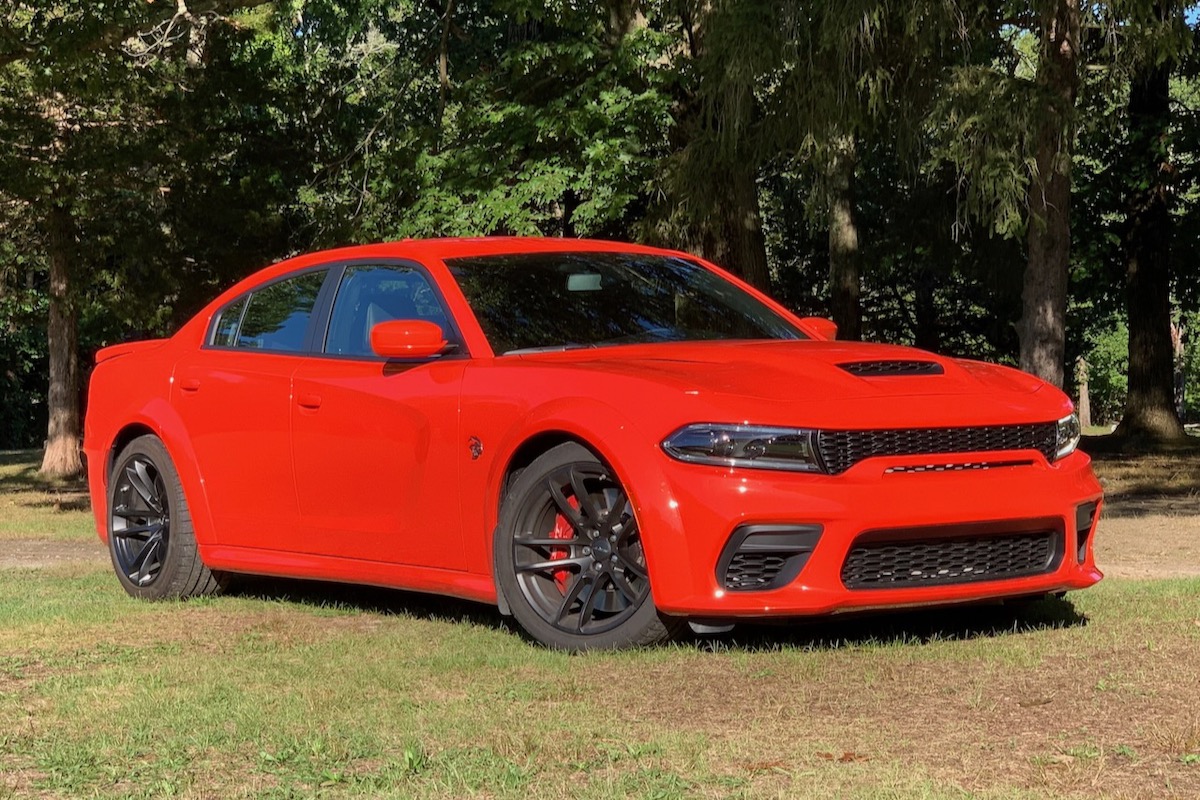
Best and Worst Dodge Charger Years in Dallas, TX
Choosing the right Charger model year matters more than with most cars — the gap between the best and worst years is significant in both reliability and value. For more information on the Charger by generation and model year, check out our Dodge Charger Buying Guide.
Best Charger Years for Dallas
| Category |
Best Years |
Dallas Avg. Price |
Why They're Best |
| Best Overall |
2020–2022 |
$24,064–$29,496 |
Peak seventh-gen refinement, Wide Body options available, proven reliability, strong Dallas inventory |
| Best Value |
2018 |
$19,865 |
1.5% below national pricing, post-2015 refresh reliability, 168 units in Dallas |
| Best for Modern Features |
2017–2019 |
$18,657–$21,455 |
Apple CarPlay/Android Auto standard, mature platform, accessible pricing |
| Best Local Discount |
2022 |
$29,496 |
0.7% below national pricing, Jailbreak and Hellcat Redeye available, 58,569 avg. miles |
Best Overall: 2020–2022
These model years represent the Charger at its most refined. Wide Body variants arrived in 2020, the Jailbreak and 807-hp Hellcat Redeye debuted for 2022, and reliability across the range is excellent. In Dallas, the 2020 sits at $24,064 — essentially matching national pricing (+0.2%) — making it the most competitively priced late-model year. The 2022 at $29,496 actually undercuts the national average by 0.7%, a rare Dallas discount for a desirable model year.
Best Value: 2018
The 2018 Charger is one of just two model years priced below the national average in Dallas, at $19,865 versus $20,172 nationally (-1.5%). It benefits from three full years of post-2015-refresh refinement, with the SXT as entry-level and the new AWD GT trim. The trade-off is higher average mileage at 101,276 miles — but these powertrains handle it. With 168 units available locally, selection is strong.
Best for Modern Features: 2017–2019
The 2017 model year marked the arrival of Apple CarPlay and Android Auto — a dividing line for many buyers. At $18,657–$21,455 in Dallas, this three-year range offers proven reliability, modern connectivity, and trim variety from base V6 through Scat Pack and Hellcat. The 2017 carries the tightest premium over national pricing at just 2.2%.
Best Local Discount: 2022
At $29,496, the 2022 Charger is 0.7% below the national average of $29,716 — the best per-dollar value among recent model years in Dallas. With average mileage of 58,569 miles and access to the full 2022 trim range including Jailbreak packages, this is where Dallas buyers find the strongest convergence of low mileage, competitive pricing, and late-model features.
Worst Charger Years for Dallas
| Years |
Dallas Avg. Price |
Avg. Mileage |
Concerns |
| 2006–2008 |
No current Dallas data |
N/A |
Highest complaint rates of any Charger generation: valve seal failures, head gasket issues, electrical gremlins, transmission problems, rust-prone |
| 2011–2012 |
No current Dallas data |
N/A |
First-year teething issues for seventh-gen: electrical system and infotainment bugs, not yet refined |
Avoid: 2006–2008
The original modern Charger was exciting when new, but time has exposed its weaknesses. The 2006–2008 model years generate the highest number of complaints of any Charger era, with documented valve seal failures, head gasket issues on Hemi V8s, transmission problems, and electrical gremlins from the complex Mercedes-derived wiring. These cars are also more rust-prone than later models. No current Dallas inventory data exists for these years, which itself tells a story — they've largely aged out of the active used market. Avoid these years entirely.
Approach Carefully: 2011–2012
The seventh generation was a major improvement over the LX series, but the 2011 and 2012 model years still had more than their fair share of problems. Most issues were electrical system and infotainment-related rather than fundamental mechanical failures, but they can be frustrating and expensive to diagnose. With no current Dallas market data for these years, budget-conscious buyers are better served by 2014–2015 models where pricing data and inventory are available and reliability is meaningfully better.
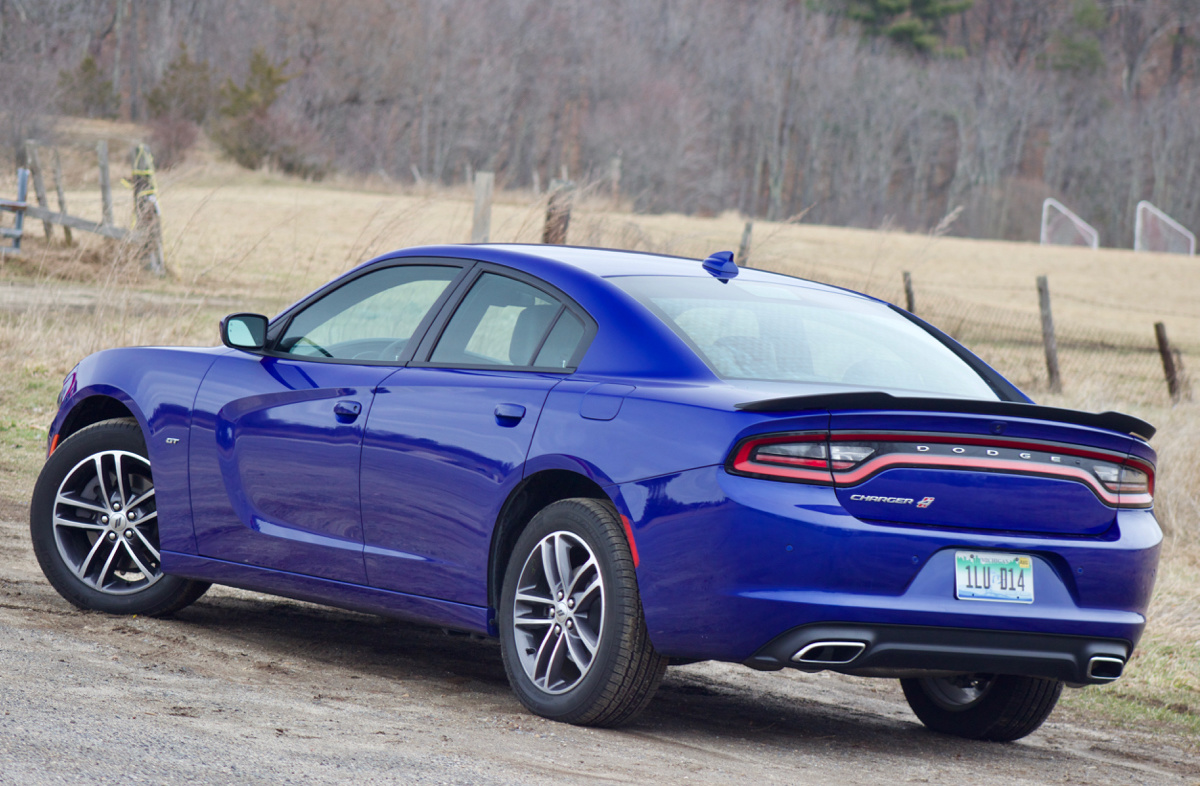
Dodge Charger Pros and Cons
Dallas rewards the Charger's strengths. Wide highways and long commutes benefit from its spacious cabin and comfortable ride; the warm, dry climate preserves these cars better than northern markets; and the strong local enthusiast community means parts, service, and knowledgeable shops are easy to find.
Pros
Genuine Muscle Car Performance in a Four-Door Package
The Charger is the only modern four-door sedan that delivers authentic V8 muscle car performance. From the 370-hp 5.7L Hemi R/T through the 807-hp Hellcat Redeye, no mainstream competitor matches this power range with four doors and a usable back seat. For Dallas drivers who want one car for everything — commuting, family duty, and weekend fun — the Charger's breadth is unmatched.
Strong Seventh-Generation Reliability
Models from 2013 onward are genuinely durable, and even high-performance Hellcat variants hold up well with regular maintenance. The platform was proven through police fleet use across the country, and the 3.6L Pentastar V6 and 5.7L Hemi V8 are thoroughly developed powertrains. Dallas inventory from 2017–2022 averages 58,569–101,276 miles — mileage ranges these engines handle comfortably.
Spacious Interior and Practical Trunk
The Charger seats five adults comfortably with a generous trunk — a real advantage over two-door competitors like the Challenger. For Dallas families who want performance without sacrificing daily usability, the Charger's interior space makes it a viable primary vehicle rather than a weekend toy.
Lower Local Mileage
Dallas Charger inventory averages 68,807 miles versus 74,148 nationally — a 7.2% mileage advantage. Combined with Texas's dry climate that minimizes rust and corrosion, local buyers are getting fresher, better-preserved cars than the national average.
Deep Dallas Inventory
With 403 used Chargers available locally, Dallas buyers have excellent selection across trims, model years, and configurations. The 2018–2021 model years each carry 168–287 units, giving buyers room to be selective on color, trim, mileage, and price.
Available All-Wheel Drive
While Dallas doesn't get harsh winters, AWD Chargers (available on V6 models) offer added confidence during the occasional ice storm or heavy rain that can catch DFW drivers off guard. It's a practical option for buyers who want year-round security.
Cons
Dallas Prices Run Above National Average
At $29,499 average — 14% above the national $25,874 — Dallas is not a discount market for Chargers. Strong local demand for performance sedans drives prices up. Buyers need to target specific model years like 2018 (-1.5%) or 2022 (-0.7%) to find pricing at or below national averages.
Heavy Fuel Consumption
Even the V6 Charger isn't frugal, and V8 models are genuinely thirsty. The 5.7L Hemi manages around 19 mpg in mixed driving, and Hellcat models are worse. For Dallas commuters covering 40+ miles daily on I-35 or the DNT, fuel costs add up — budget accordingly, especially with V8 variants.
Sixth-Generation Reliability Issues
The 2006–2010 Charger is the weak link. Valve seal failures, head gasket issues, electrical gremlins, and transmission problems make these cars risky purchases regardless of price. The gap between sixth-gen and seventh-gen reliability is substantial, and buyers stretching for a low-priced Charger should step up to a 2014 or 2015 model instead.
Dated Technology (Pre-2017)
Chargers built before 2017 lack Apple CarPlay and Android Auto, and older infotainment systems feel clunky by current standards. The interior, while spacious and comfortable, uses materials and design language that show their age compared to newer competitors. Post-2017 models address this, but budget buyers in the 2014–2016 range should set expectations.
Performance Models Attract Hard Driving
Hellcat, Scat Pack, and SRT trims attract aggressive drivers, which means used examples may have been pushed hard. Aftermarket modifications are common, and a clean title doesn't guarantee gentle use. Pre-purchase inspections are essential for any high-performance Charger, regardless of mileage or cosmetic condition.
Final Verdict for Dallas Buyers
The Dodge Charger is a car that does things no other four-door sedan can — and in Dallas, you'll find 403 units to choose from with 7.2% lower mileage than the national market. Yes, you'll pay a 14% premium for the privilege, but strong deal quality (32% Good or Great Deals) and fresher inventory help justify it. Target the 2018–2022 model years for the best convergence of reliability, features, and competitive pricing — and avoid anything from the sixth generation entirely. The Charger won't save you money at the pump, but it'll make every Dallas commute feel like an event rather than a chore.


