Toyota Prius vs Chevrolet Volt
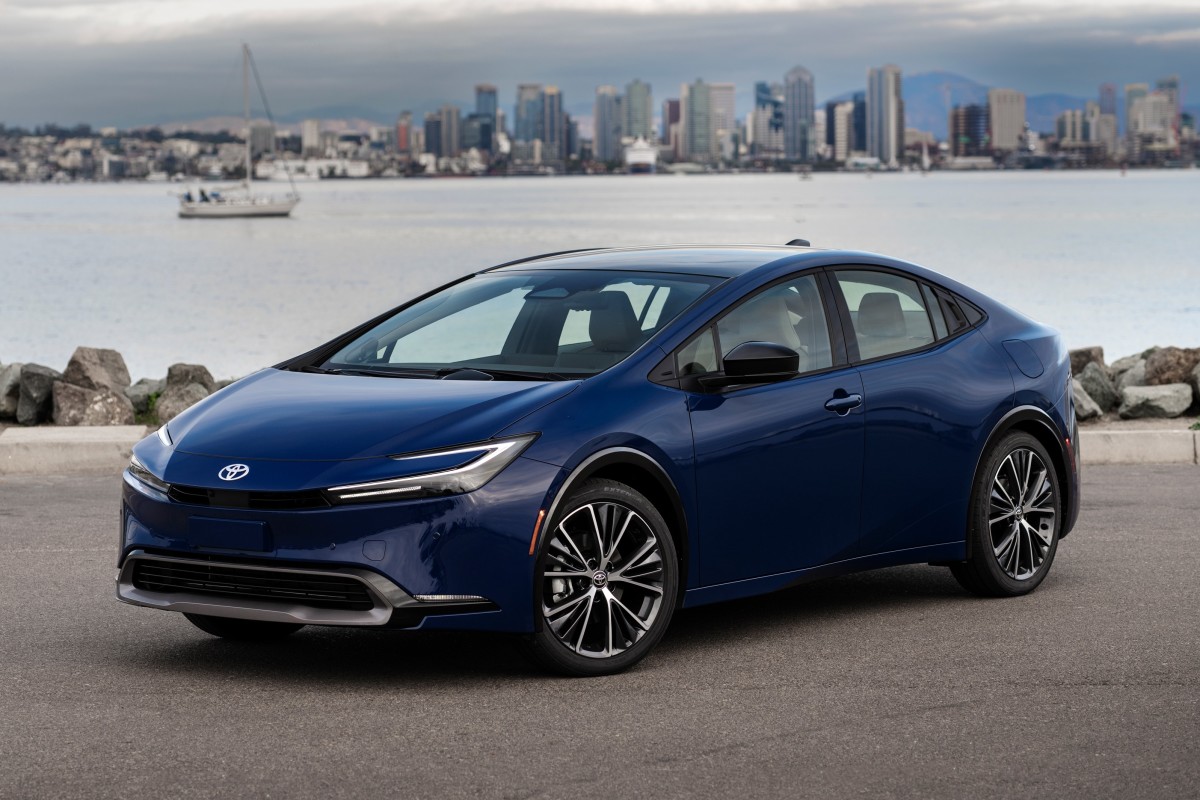
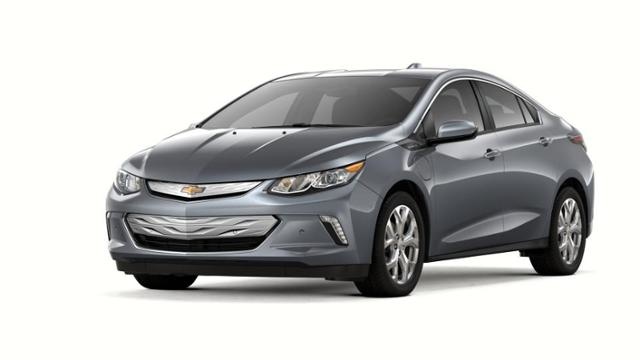
Overview | |
MSRP$24,200 | MSRP$33,170 |
Listings6311 | Listings607 |
Ratings & Reviews | |
User Reviews | User Reviews |
Expert reviews7.7 out of 10 | Expert reviews8.0 out of 10 |
Reviews SummaryAbout 10 years ago, if you looked at hybrid sales, they would be closely tied to the price of fuel. As gas prices rose, so did sales of fuel-saving hybrids. As they fell, people were more likely to buy gas-guzzling trucks. But as the years went on, the hybrid market gained traction, and despite still representing a small portion of the total market, the hybrid segment has, in fact, demonstrated staying power. The standard bearer for this growth has to be none other than the Toyota Prius. The first-generation Prius may have been a slightly anonymous little hybrid. But when the second generation dropped in 2004, that unmistakable Prius profile turned heads and had the fuel-saving capabilities to match. The rest, as they say, is history. Flash-forward to 2016 and the Prius continues to be the heart and soul of the hybrid market. Since that second-generation version, the Prius has risen to icon status and is now rightfully among the most recognizable. For 2016, the Prius enters its fourth generation, with many of the hallmarks that have made it so popular and a few new tricks as well. Is it enough for the Prius to retain its place as the Hybrid King? Also, does it “shatter expectations,” as Toyota says? Read on to find out. | |
Reviews SummaryCompromises are inherently dissatisfying, but the redesigned 2016 Chevrolet Volt represents a rare exception to this rule. The Volt provides half the range of a traditional electric car and returns fewer miles per gallon than a Toyota Prius. This compromise, however, is brilliant, because the Volt’s special powertrain allows for electric mobility the majority of the time while completely eliminating a phenomenon known as “range anxiety.” | |
Popular Features & Specs | |
Engine1.8L 121 hp I4 Hybrid | Engine1.5L 149 hp I4 Hybrid |
Drive TrainFWD | Drive TrainFWD |
Seating Capacity5 | Seating Capacity5 |
EV Battery Capacity | EV Battery Capacity18 kWh |
MPG City54 | MPG City113 |
MPG Highway50 | MPG Highway99 |
Battery Charge Time (240V) | Battery Charge Time (240V)4.5 hours |
Engine | |
Engine Name1.8L 121 hp I4 Hybrid | Engine Name1.5L 149 hp I4 Hybrid |
Battery Charge Time (240V) | Battery Charge Time (240V)4.5 hours |
DrivetrainFWD | DrivetrainFWD |
Fuel Economy | |
EV Battery Capacity | EV Battery Capacity18 kWh |
MPG City54 | MPG City113 |
MPG Highway50 | MPG Highway99 |
Interior | |
Seating Capacity5 | Seating Capacity5 |
Safety | |
Front Crash Overall4 | Front Crash Overall |
Side Crash Overall5 | Side Crash Overall |
Dimensions & Capacity | |
Cargo Space24.6 cu ft | Cargo Space10.6 cu ft |
Curb Weight3075 lbs | Curb Weight3543 lbs |
Height58.1 in | Height56.4 in |
Length178.7 in | Length180.4 in |
Width69.3 in | Width71.2 in |
Wheelbase106.3 in | Wheelbase106.1 in |
Maximum Payload825 lbs | Maximum Payload |
Number of doors4 | Number of doors4 |
Overview | ||
MSRP | $24,200 | $33,170 |
Listings | ||
Ratings & Reviews | ||
User reviews | ||
Expert reviews | 7.7 out of 10Read full review | 8.0 out of 10Read full review |
Pros & cons | ||
Summary | About 10 years ago, if you looked at hybrid sales, they would be closely tied to the price of fuel. As gas prices rose, so did sales of fuel-saving hybrids. As they fell, people were more likely to buy gas-guzzling trucks. But as the years went on, the hybrid market gained traction, and despite still representing a small portion of the total market, the hybrid segment has, in fact, demonstrated staying power. The standard bearer for this growth has to be none other than the Toyota Prius. The first-generation Prius may have been a slightly anonymous little hybrid. But when the second generation dropped in 2004, that unmistakable Prius profile turned heads and had the fuel-saving capabilities to match. The rest, as they say, is history. Flash-forward to 2016 and the Prius continues to be the heart and soul of the hybrid market. Since that second-generation version, the Prius has risen to icon status and is now rightfully among the most recognizable. For 2016, the Prius enters its fourth generation, with many of the hallmarks that have made it so popular and a few new tricks as well. Is it enough for the Prius to retain its place as the Hybrid King? Also, does it “shatter expectations,” as Toyota says? Read on to find out. | Compromises are inherently dissatisfying, but the redesigned 2016 Chevrolet Volt represents a rare exception to this rule. The Volt provides half the range of a traditional electric car and returns fewer miles per gallon than a Toyota Prius. This compromise, however, is brilliant, because the Volt’s special powertrain allows for electric mobility the majority of the time while completely eliminating a phenomenon known as “range anxiety.” |
Video | ||
Popular Features & Specs | ||
Engine | 1.8L 121 hp I4 Hybrid | 1.5L 149 hp I4 Hybrid |
Drive Train | FWD | FWD |
Seating Capacity | 5 | 5 |
EV Battery Capacity | 18 kWh | |
MPG City | 54 | 113 |
MPG Highway | 50 | 99 |
Battery Charge Time (240V) | 4.5 hours | |
Engine | ||
Engine Name | 1.8L 121 hp I4 Hybrid | 1.5L 149 hp I4 Hybrid |
Battery Charge Time (240V) | 4.5 hours | |
Drivetrain | FWD | FWD |
Fuel Economy | ||
EV Battery Capacity | 18 kWh | |
MPG City | 54 | 113 |
MPG Highway | 50 | 99 |
Interior | ||
Seating Capacity | 5 | 5 |
Safety | ||
Front Crash Overall | 4 | |
Side Crash Overall | 5 | |
Dimensions & Capacity | ||
Cargo Space | 24.6 cu ft | 10.6 cu ft |
Curb Weight | 3075 lbs | 3543 lbs |
Height | 58.1 in | 56.4 in |
Length | 178.7 in | 180.4 in |
Width | 69.3 in | 71.2 in |
Wheelbase | 106.3 in | 106.1 in |
Maximum Payload | 825 lbs | |
Number of doors | 4 | 4 |




By: CarGurus + AI
At CarGurus, our team of experienced automotive writers remain at the heart of our content operation, conducting hands-on car tests and writing insightful guides that are backed by years of industry experience. To complement this, we are harnessing AI to make our content offering more diverse and more helpful to shoppers than ever. To achieve this, our AI systems are based exclusively on CarGurus content, ratings and data, so that what we produce is both unique to CarGurus, and uniquely helpful to car shoppers.

