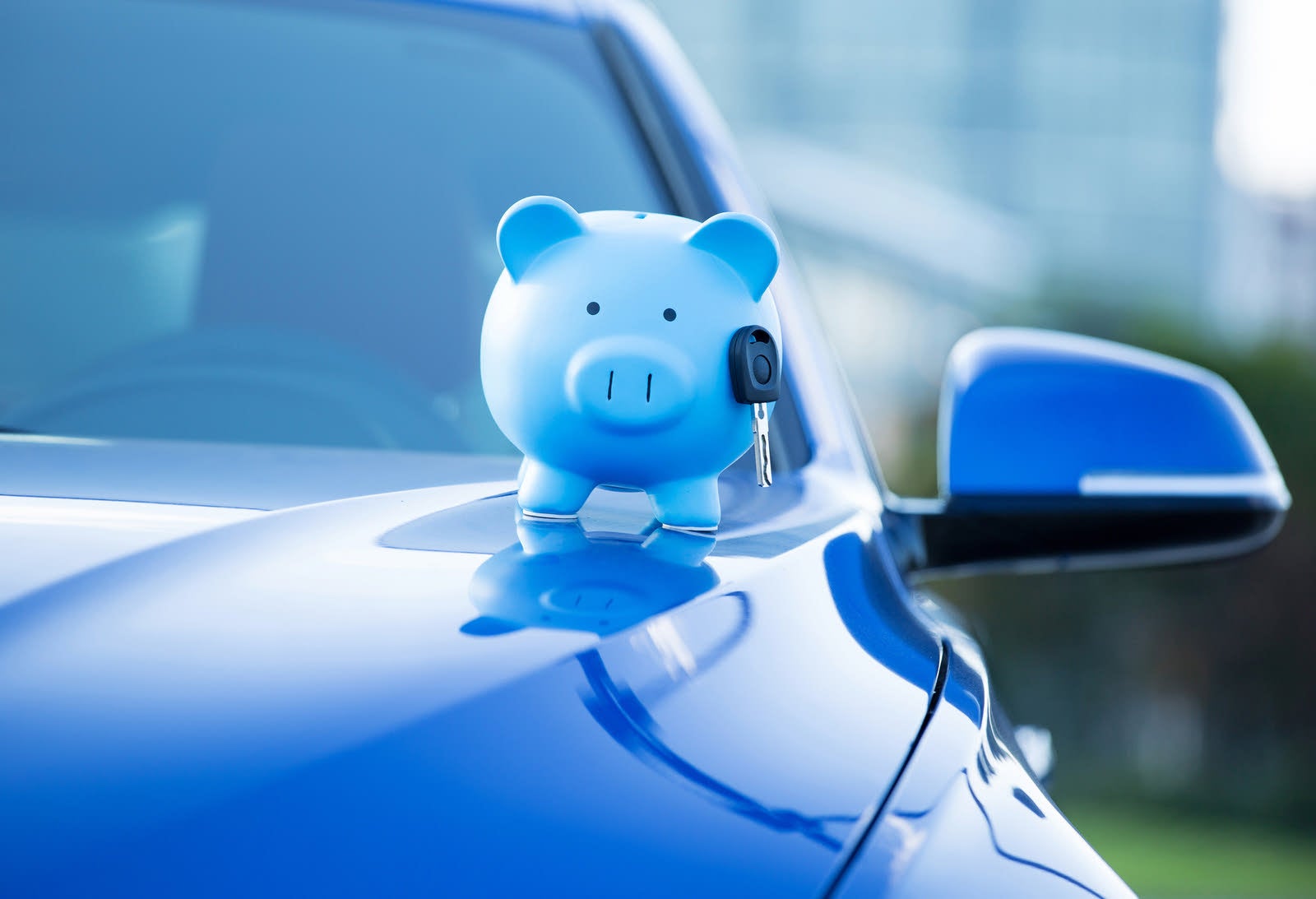
When drivers say they have "full coverage," they often believe everything is protected, but that's not the case. "Full coverage" isn't even an official insurance term, though it's commonly used to describe someone who has liability insurance, collision coverage, and comprehensive coverage.
However, even with all those types of car insurance coverage, there are still limitations.
- What Each Coverage Type Doesn't Cover (And What It Actually Covers)
- Coverage Gaps At a Glance
- Things Car Insurance Never Covers
- Things Covered by Other Insurance (Non-Auto)
- Add-On Coverages That Fill the Gaps
- Common Coverage Mistakes
- How to Check What You're Actually Covered For
- When to Update Your Coverage
- FAQ
Quick Answer: What Doesn't Car Insurance Cover?
Many drivers assume their car insurance protects them from anything that could happen to their vehicle. Unfortunately, that's not true. Every insurance policy has limits, exclusions, and gaps that can leave you paying out of pocket if you don't fully understand your coverage. Here's what standard car insurance typically does NOT cover:
- Mechanical breakdowns and repairs: Engine failures, transmission problems, and normal wear and tear
- Regular maintenance: Oil changes, brake pads, tires, and routine upkeep
- Personal belongings stolen from your car: Laptops, phones, bags (covered by homeowner's or renter's insurance)
- Business or rideshare use: Delivery driving, Uber, or Lyft (requires commercial or rideshare endorsement)
- Intentional damage: Anything you damage on purpose
- Driving internationally: Most insurance companies exclude incidents outside the U.S.
- Your own injuries or vehicle repairs if you have liability coverage only: Liability only covers others
What Each Coverage Type Doesn't Cover (And What It Actually Covers)
Liability Insurance
What it DOESN'T cover:
- Repair or replacement for YOUR vehicle
- YOUR medical bills
- Anything over your policy limits
What it actually covers: Other vehicles, drivers, and passengers involved in an accident when you're the at-fault driver. This includes:
- Bodily injury liability: Medical expenses, medical bills, lost wages, and legal fees for others
- Property damage liability: Repair costs for other vehicles or damage to buildings/structures
Understanding liability limits: Limits are often shown as three numbers, like 25/50/25, for example. In that scenario, the first number is the maximum amount an insurance provider will pay per person for bodily injury ($25,000), the second is the maximum per accident for all injuries ($50,000), and the third is the maximum for property damage ($25,000). Each state has its own minimum limits required, but most experts recommend going with more than that.
Collision Coverage
What it DOESN'T cover:
- Damage to other people's vehicles (that's liability)
- Theft, weather damage, vandalism (that's comprehensive)
- Mechanical failures
- Your deductible
What it actually covers: Damage to your vehicle in a covered accident, whether or not you're at fault.
Comprehensive Coverage
What it DOESN'T cover (despite the misleading name):
- Collision damage (hitting another car or object)
- Mechanical breakdown
- Normal wear and tear
- Intentional damage
- Personal items that were stolen from your vehicle
What it actually covers: Non-collision events like natural disasters (flooding, tornadoes), theft, vandalism, fire, collisions with animals like deer, and falling objects. Windshield cracks or chips are sometimes covered, depending on your policy or state.
Personal Injury Protection (PIP)
What it DOESN'T cover:
- Pre-existing conditions
- Injuries from excluded activities (racing, etc.)
- Vehicle damage
What it actually covers: Your medical expenses, rehabilitation, and lost wages for you and your passengers, regardless of who's at fault. Some states require personal injury protection by law.
Uninsured/Underinsured Motorist Coverage
What it DOESN'T cover:
- Accidents where you are at fault
- Damage beyond your own policy limits
What it actually covers: Your medical bills and vehicle damage when the at-fault driver either has no insurance or insufficient motorist coverage. This is always recommended since a significant percentage of drivers are uninsured.
Coverage Gaps At a Glance
| Coverage Type | What It Doesn't Cover | What It Does Cover |
|---|---|---|
| Liability | Your car, your injuries, and amounts over limits | Others' injuries and property damage you cause |
| Collision | Theft, weather, vandalism, and mechanical issues | Your car damage from crashes |
| Comprehensive | Collisions, mechanical breakdown, and personal items | Theft, weather, vandalism, animals |
| Medical payments/PIP | Pre-existing conditions, excluded activities | Your/passengers' medical bills |
| Uninsured Motorist | Your at-fault accidents | Protection when the at-fault driver is uninsured |
Things Car Insurance Never Covers
Regardless of your car insurance company, these are almost always excluded:
- Mechanical failures
- Normal wear and tear
- Maintenance issues
- Intentional damage
- Driving internationally without additional coverage
Things Covered by Other Insurance (Non-Auto)
- Personal belongings stolen from your vehicle: This is covered by homeowners' insurance or renters’
- Using your car for business/rideshare: Requires commercial auto insurance or rideshare coverage
Add-On Coverages That Fill the Gaps
Luckily, insurance companies know that owning a car is expensive, just like owning a house, and every driver has different risks they may want to insure. That’s why they offer auto coverage add-on coverages to fill the gaps:
- Rental reimbursement
- Roadside assistance
- Gap insurance
- Custom equipment coverage
- Rideshare coverage, like for Uber/Lyft drivers
- Mechanical breakdown insurance
Common Coverage Mistakes
| Mistake | Why | The Fix |
|---|---|---|
| Assuming "Full Coverage" Means Everything | Even with liability, collision, and comprehensive coverage, there are still exclusions in your insurance policy. If you don't know where these gaps are, you might end up with denied insurance claims. | Read your policy carefully to know exactly what is and isn't covered. |
| Carrying Only State Minimum Liability | If you're responsible for a serious accident, you could be liable for tens or hundreds of thousands of dollars in damages beyond your coverage. This can include property damage, bodily injury, and even legal fees. | Experts recommend carrying much higher limits, like 100/300/100, to safeguard your finances. |
| Skipping Uninsured Motorist Coverage | The reality is, many drivers are uninsured, and being involved in an accident with one of them can leave you paying thousands out-of-pocket for vehicle repairs or medical expenses. Many drivers may think they can skip uninsured motorist coverage, thinking it's not necessary. | Adding this coverage can protect you and your passengers if another driver's insurance coverage is insufficient. |
| Thinking Comprehensive Covers Collisions | Some drivers may assume that comprehensive coverage protects against all types of damage to their motor vehicle, including collisions. However, comprehensive only covers non-collision events, such as theft, vandalism, weather damage, fire, or hitting an animal. | Opt for comprehensive and collision insurance together to cover most events. |
| No Gap Insurance on New/Financed Cars | In the first few years of vehicle ownership, it's common to owe more on a car than what it's worth. If your car is totaled during this time, and you don't have gap insurance, you could owe more on your loan than the car is worth, leaving you responsible for paying the lender the difference. | Gap insurance is usually a relatively small annual cost that could save you thousands in the event of a total loss. |
| Dropping Collision on a Car Worth $8,000+ | Some drivers may be tempted to drop collision coverage on older cars to save money, but if the vehicle is valued at $8,000 or more, this could be a costly mistake. Without collision coverage, you would be responsible for paying out-of-pocket to replace or repair your car after an accident. | Keeping collision coverage on vehicles with significant value to ensure you're protected financially. |
| Assuming Stolen Items Are Covered | A common misconception is that auto insurance covers personal belongings stolen from your vehicle. In reality, items like laptops, phones, and other personal property are generally covered under homeowners insurance or renters' policies, not auto insurance. | If you don't have these additional policies, you could be left financially responsible for stolen items. |
| Not Reading Policy Exclusions | If you haven't carefully read the exclusions listed in your insurance policy, you might be surprised by what might result in a denied insurance claim. Certain activities, like using your car for business, racing, or allowing other drivers to use your vehicle, may be excluded. If an accident happens during one of these, it could potentially lead to substantial out-of-pocket costs. | Talk to your insurance agent about potential gaps in your coverage. |
How to Check What You're Actually Covered For
Read Your Insurance Policy Declarations Page:
- Lists all coverage types
- Shows your limits
- Shows your deductibles
- Review annually
Key Questions to Ask Your Insurance Agent:
- "What's specifically NOT covered?"
- "Do I have collision and comprehensive?"
- "What are my liability limits in dollars?"
- "Do I have uninsured motorist coverage?"
- "What's my deductible for collision vs. comprehensive?"
- "Do I have gap insurance?"
- "Are there any excluded drivers?"
Red Flags You May Be Underinsured:
- Premium of under $50/month, which means you likely only have liability coverage
- If you can't remember the last time you reviewed coverage
- You got the cheapest option
- You only have the state minimum for liability coverage
When to Update Your Coverage
Life Events That Require Coverage Updates:
- You bought or financed a new car
- You pay off the car loan
- You moved to a new state
- You have a family member who is a teen driver getting their license
- Your net worth increased significantly
- You started driving for Uber or Lyft
- You've bought expensive aftermarket parts
Annual Review Checklist:
- Check if your coverage still matches your needs
- Shop for better insurance rates
- Adjust deductibles if your financial situation has changed
- Remove coverages you don't need
- Add coverages you're missing
FAQ
Does car insurance cover mechanical breakdowns?
No. Standard auto insurance policies don't cover mechanical failures, like engine problems, transmission issues, and even normal wear and tear. You can purchase separate mechanical breakdown insurance (MBI) or an extended warranty to get these instances covered.
Does comprehensive coverage mean everything is covered?
No. "Comprehensive" is a bit of a misleading name. It only covers non-collision damage, like theft, vandalism, weather, fire, and hitting animals. It doesn't cover collisions, mechanical breakdowns, wear and tear, or personal items stolen from your car.
Does car insurance cover personal items stolen from my car?
No. Laptops, phones, clothes, and other personal property are covered under your homeowner's or renter's insurance policy. File a claim with your home/renter's insurance for stolen belongings.
Does liability insurance cover my own car?
No. Liability only covers damage and injuries you cause to OTHER people and their property. To cover your own car, you need collision coverage (for accidents) and comprehensive coverage (for theft, weather, vandalism).
What happens if my claim exceeds my coverage limits?
You are personally responsible for the excess amount. If you cause $100,000 in damages but only have $50,000 in coverage, you must pay the additional $50,000 out-of-pocket. This can result in lawsuits or liens on your assets.
If someone borrows my car and crashes, whose insurance pays?
Generally, your own insurance is primary and covers the accident. You pay your deductible, and your rates may increase, even though you weren't driving.
Does car insurance cover hitting an animal?
Yes, but only with comprehensive coverage (NOT collision). This type of claim typically won't increase your rates.
Does car insurance cover weather damage?
Only if you have comprehensive coverage. It covers hail, flooding, tornadoes, hurricanes, falling trees, and other weather events. Liability-only policies provide no weather protection for your vehicle.
Does car insurance cover a rental car?
Your car insurance typically covers a rental car, the same way it covers your own car. However, you need separate "rental reimbursement" coverage to pay for a rental car while yours is being repaired.