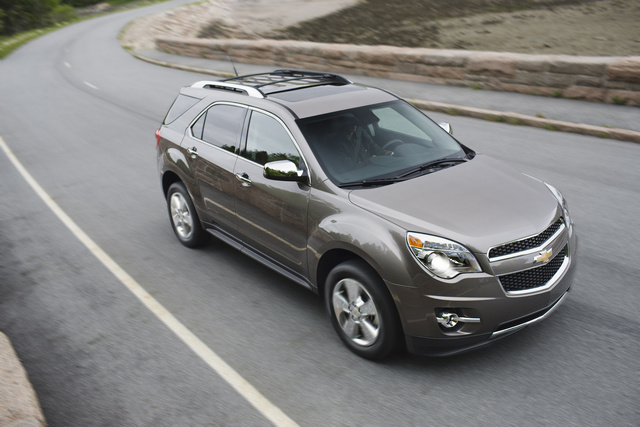
You need a vehicle with respectable cargo room but don't want to give up fuel efficiency. If that describes your situation, chances are you're looking for an SUV that won't drain your wallet at the pump — and if you're watching your budget, the used-car market is where you'll find the most compelling values.
Below is our roundup of some of the most fuel-efficient used SUVs you can buy today. We've included hybrids but left out plug-in hybrids, since those can travel on electricity alone for a stretch of miles, which distorts the mpg figures. Electric vehicles are excluded as well, since they don't consume gasoline at all (though they'd top any efficiency chart).
The Top Used SUVs With the Best Gas Mileage in 2026
FAQs
What Makes CarGurus Best Cars Guides Different
Shopping Tools
Related Topics
What Is Good Gas Mileage for a Used SUV?
When browsing the used-car market for a fuel-efficient SUV, smaller generally means better efficiency. A number of subcompact and compact models achieve an EPA combined rating of 30 mpg or higher. As a rule, larger, more capable, and more off-road-focused SUVs will fall well below the 25-mpg mark.
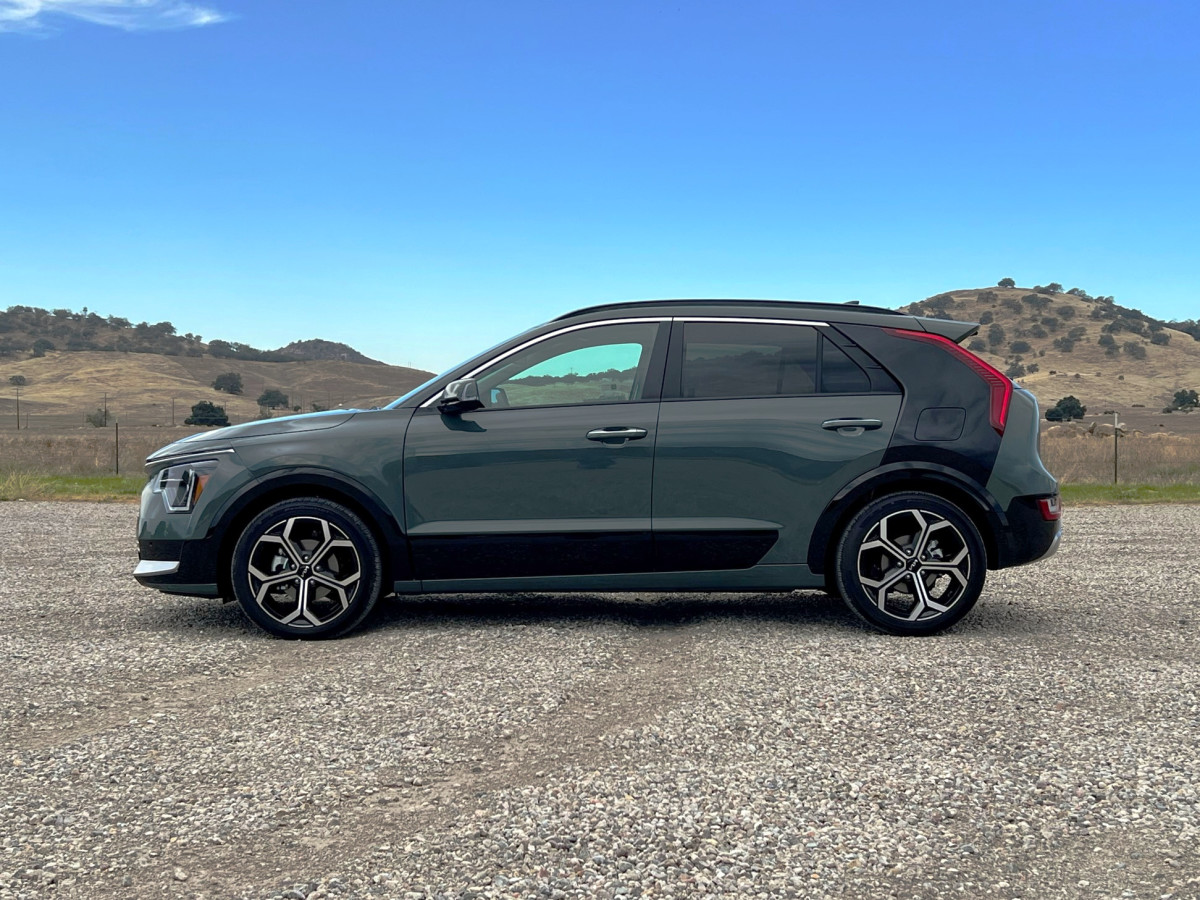
2017-2024 Kia Niro Hybrid
The Kia Niro is a tall subcompact crossover offered with multiple powertrain choices, including traditional hybrid, plug-in hybrid, and fully electric variants. The standard hybrid — pairing an electric motor with a 1.6-liter gasoline engine — delivers outstanding fuel economy: 43 to 50 mpg combined, depending on which trim you choose. One notable drawback is that all-wheel drive (AWD) is not available.
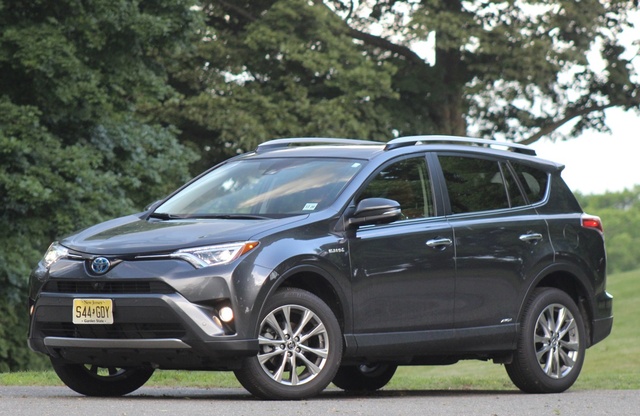
2016-2018 Toyota RAV4 Hybrid
Toyota introduced a hybrid variant of its enormously popular RAV4 crossover back in 2016. AWD comes standard, and the setup pairs a 2.5-liter gasoline engine with three electric motors, one of which powers the rear axle independently. The Toyota RAV4 Hybrid carries a combined EPA fuel-economy estimate of 32 mpg.
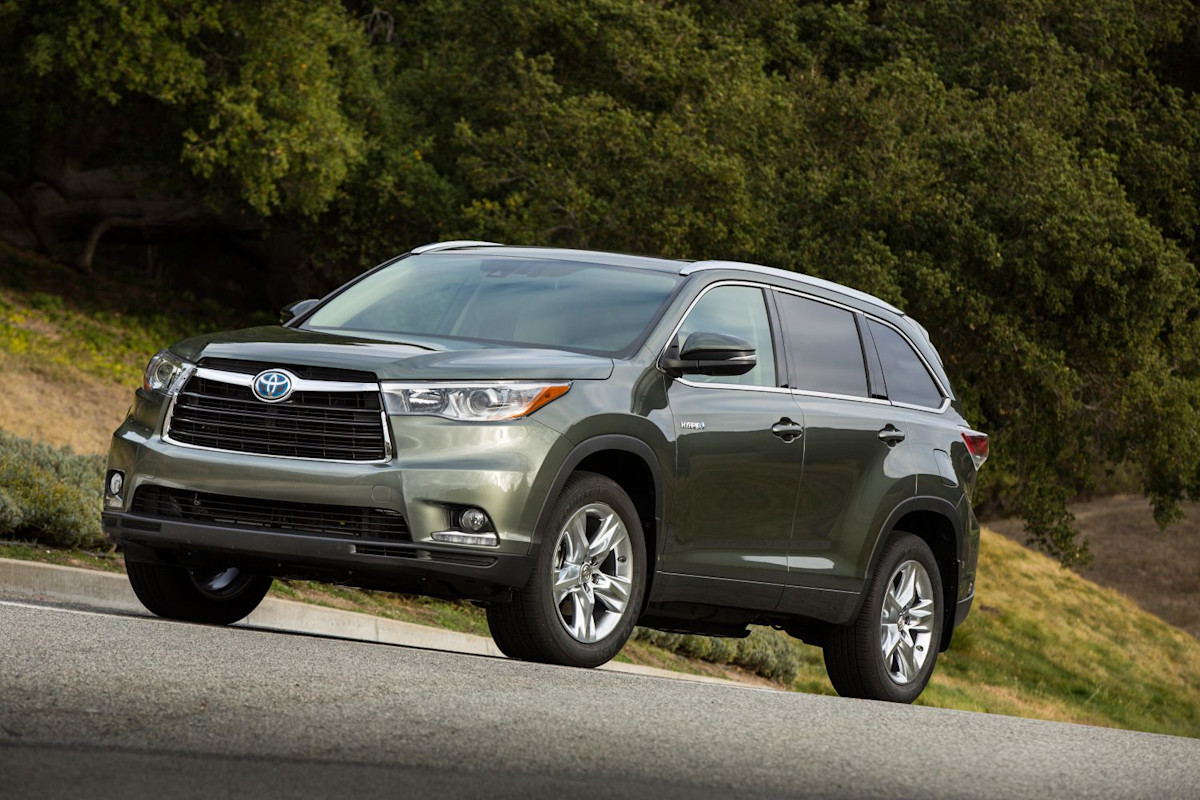
2006-2016 Toyota Highlander Hybrid
When it arrived in 2006 as the first seven-passenger hybrid SUV, the Toyota Highlander Hybrid earned a loyal following with its roomy cabin, capable powertrain, and car-like ride quality. The front-wheel-drive (FWD) version, offered exclusively in 2006 and 2007, returns around 27 mpg combined, while the 2006-10 AWD model achieves 26 mpg. A 2011 update brought a larger engine along with a bump in efficiency to 28 mpg. Those numbers may not sound dramatic, but they're genuinely solid for a vehicle of this size.
2016-2021 Mazda CX-3
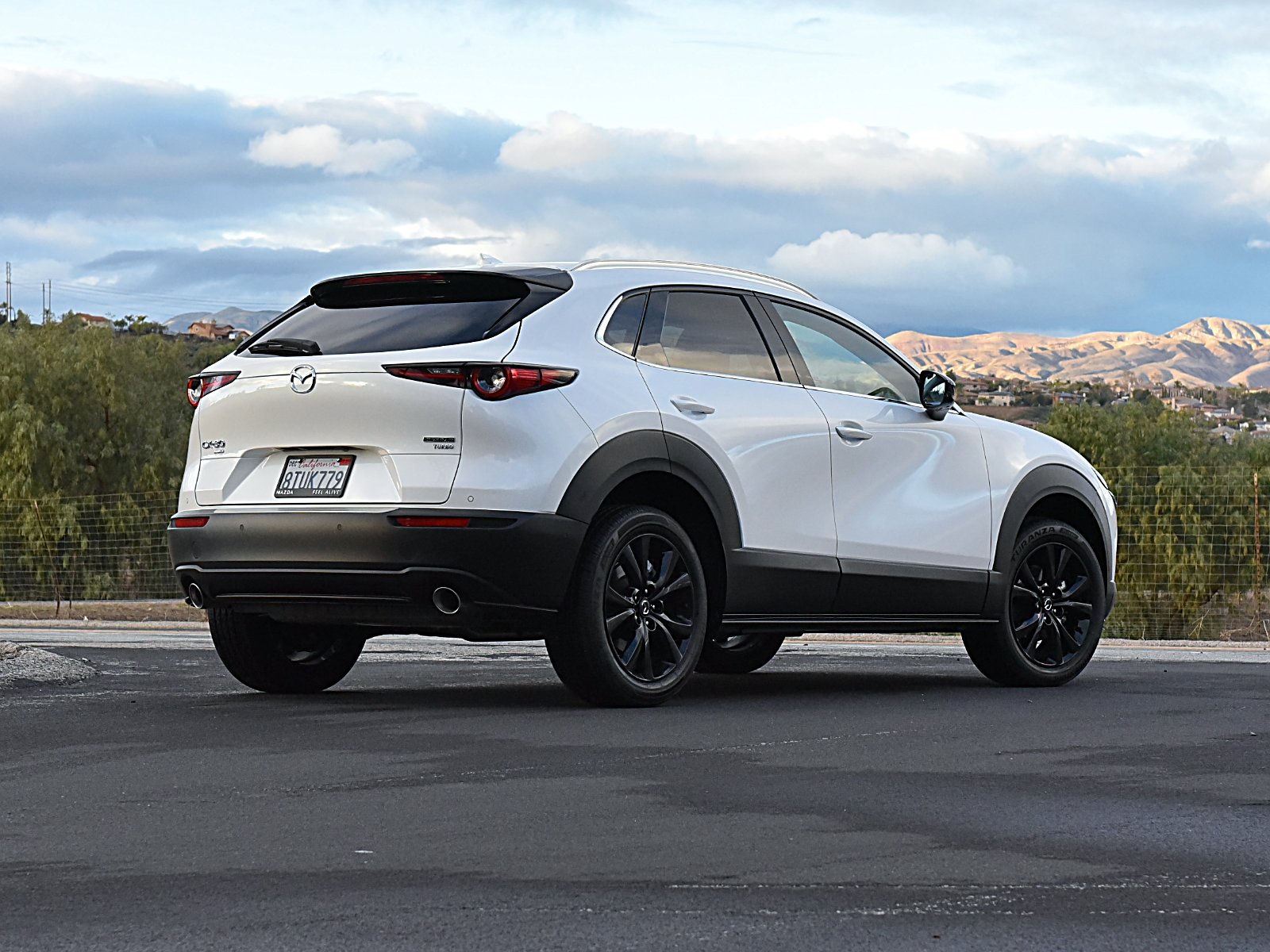
The Mazda CX-3 ranks among the sportiest entries on this list, though its subcompact footprint means cargo space is limited — just 12.4 cubic feet behind the rear seats and 44.5 cubic feet with them folded. What it lacks in hauling ability, it more than compensates for with sharp driving dynamics and a refined, stylish design inside and out. FWD models earn an estimated 31 mpg combined, while AWD variants come in at 29 mpg.
2016-2024 Honda HR-V
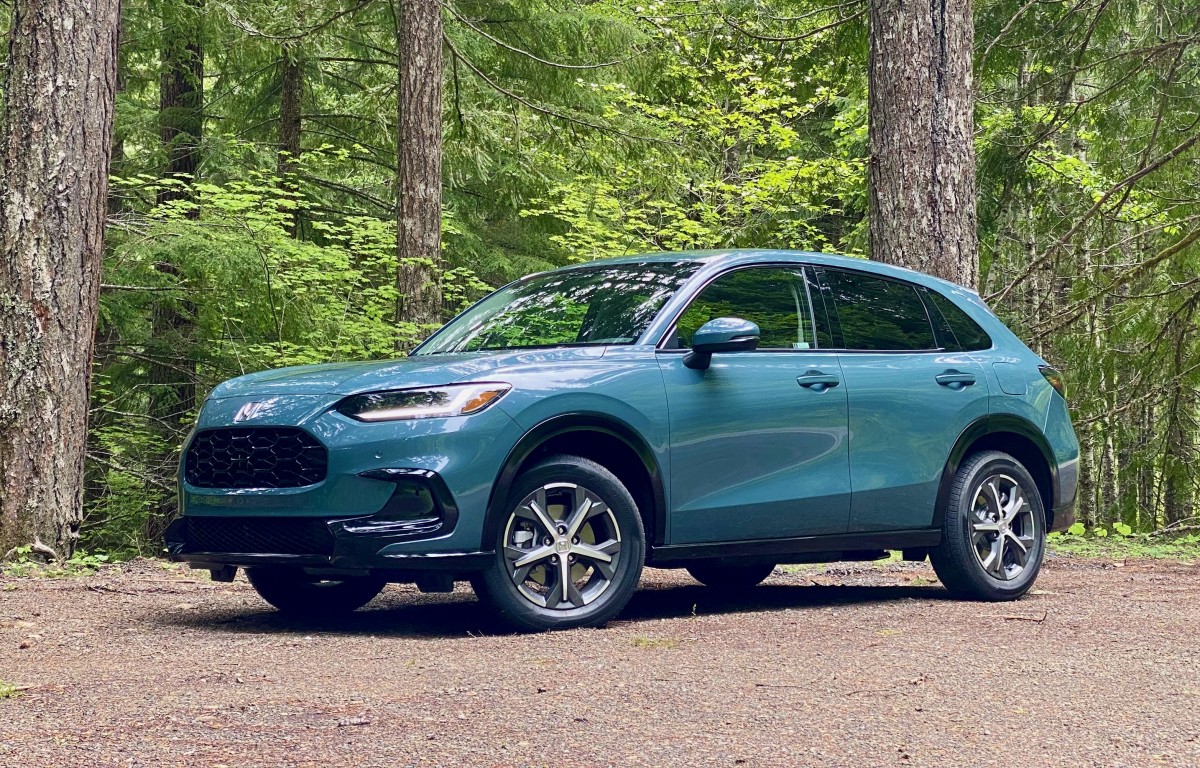
The Honda HR-V is a subcompact crossover that punches well above its class in cargo versatility, thanks to Honda's clever second-row Magic Seats. These allow you to flip up the seat bottoms to store tall items in the rear footwells, or fold the seatbacks flat to create a generous cargo hold. With the seats folded, you get an impressive 58.8 cubic feet of cargo volume — compared to roughly 45 cubic feet in most class rivals. On the efficiency front, an automatic-transmission HR-V earns 31 mpg combined in FWD form, dropping to 29 mpg with AWD.
2020-2024 Honda CR-V Hybrid
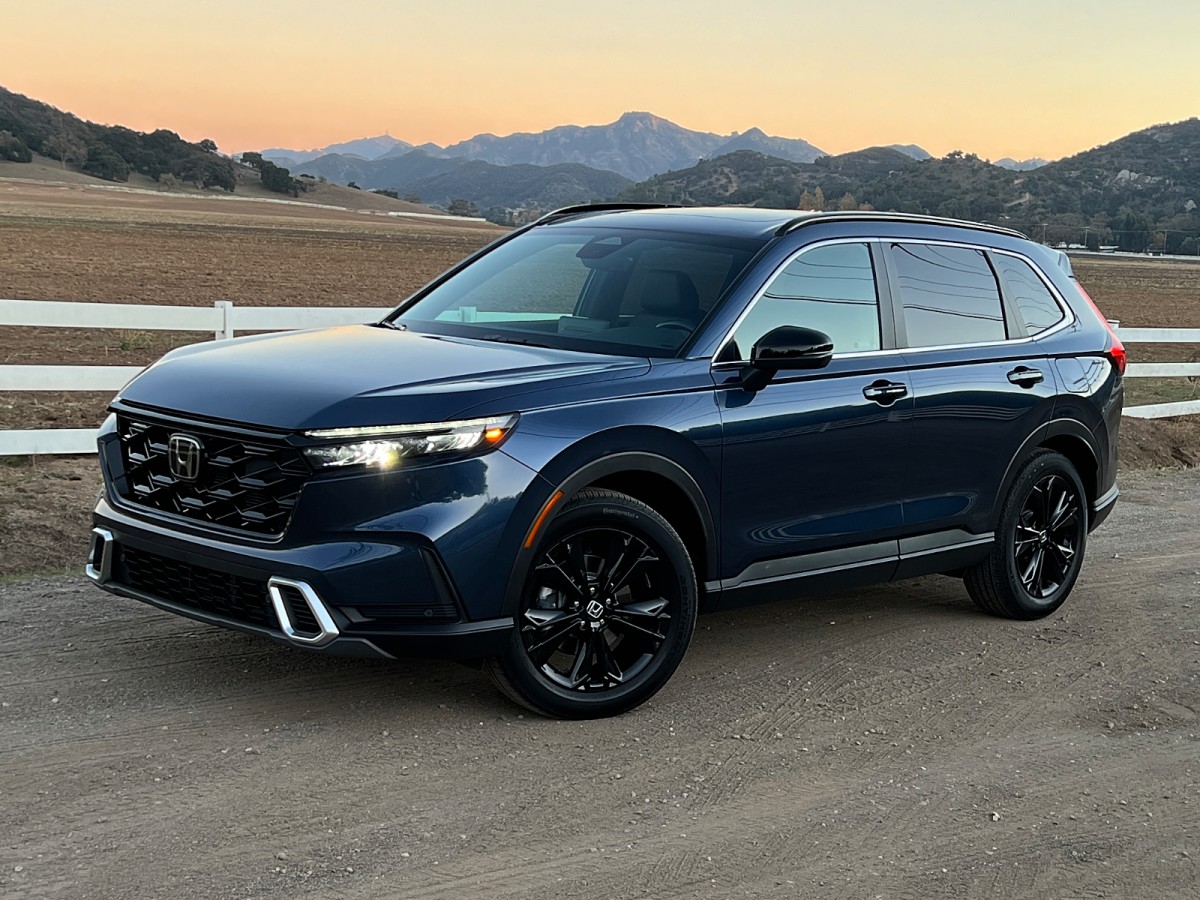
The Honda CR-V consistently ranks among the best-selling compact SUVs on the market. The CR-V Hybrid, which made its debut for 2020, combines a 2.0-liter gasoline engine with an electric motor and battery pack to achieve an EPA-estimated 38 mpg. It may not be the most affordable option on the used market, but its exceptional fuel economy paired with a user-friendly infotainment system — featuring standard Apple CarPlay and Android Auto — makes it a hard package to pass up.
2015-2024 Lexus NX Hybrid
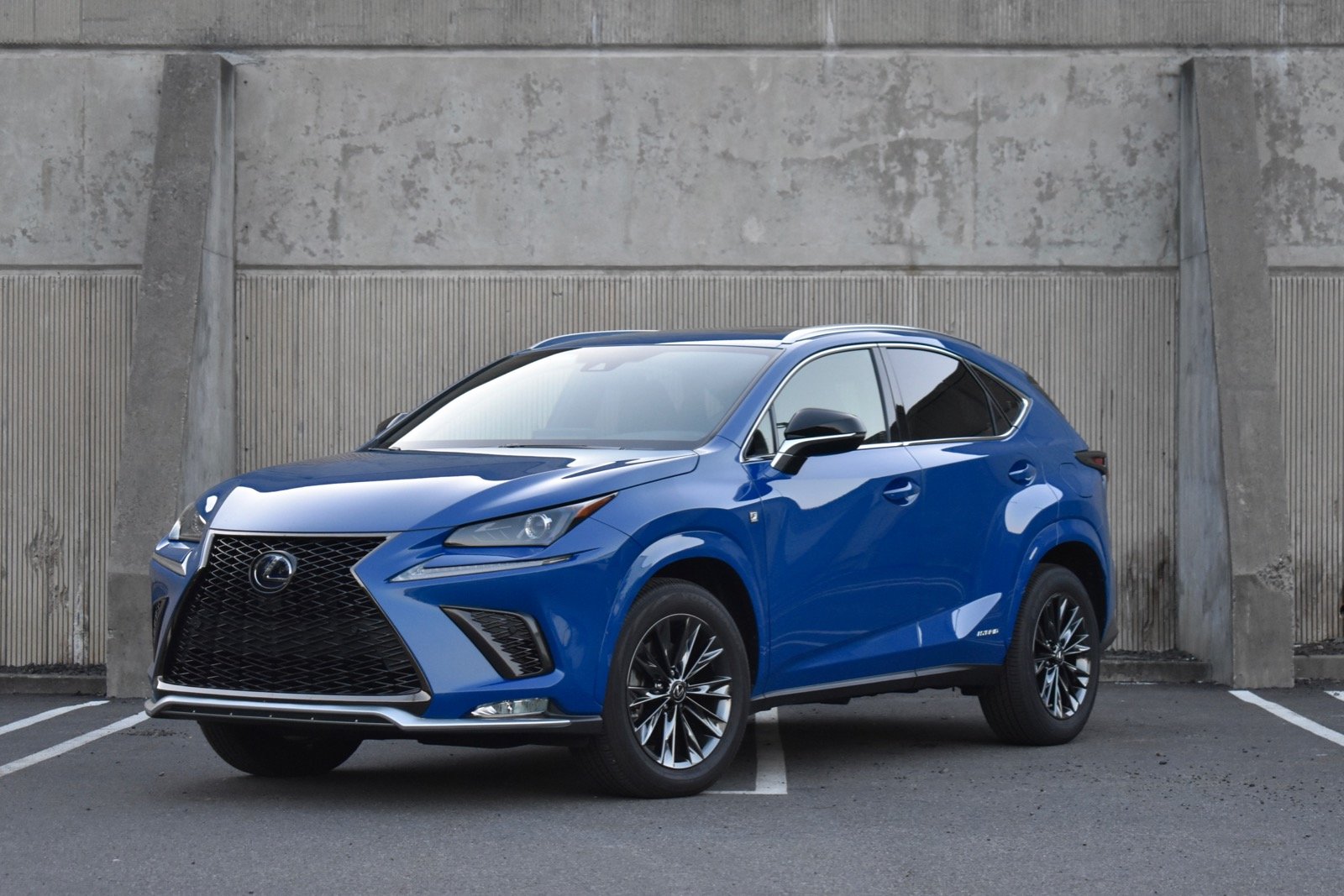
The Lexus NX Hybrid arrived for 2015 as an accessible entry point into the brand's luxury lineup. As we noted in our review, cargo space trails some rivals in the compact SUV class, but the NX Hybrid shares its proven powertrain with the Toyota RAV4 Hybrid and posts strong EPA numbers: 32 mpg combined for the FWD version and 31 mpg for AWD models.

2006-2008 Lexus RX Hybrid
For buyers seeking a roomy, dependable, and upscale midsize SUV with five-passenger seating and reasonable fuel costs, the Lexus RX 400h is a smart pick. It draws on a responsive hybrid system built around a V6 engine. When it originally went on sale, the FWD variant was rated at an estimated 27 mpg, while the AWD version came in at 26 mpg.
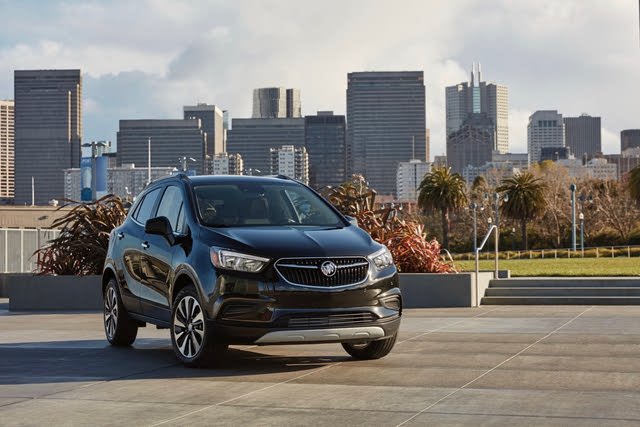
2013-2022 Buick Encore
The subcompact Buick Encore pairs a turbocharged engine with a choice of FWD or AWD. The FWD model carries an EPA combined rating of 28 mpg, while the AWD version returns 25 mpg. Cargo capacity is on the modest side for the segment — 19 cubic feet behind the rear seats and 48 cubic feet with them folded flat.
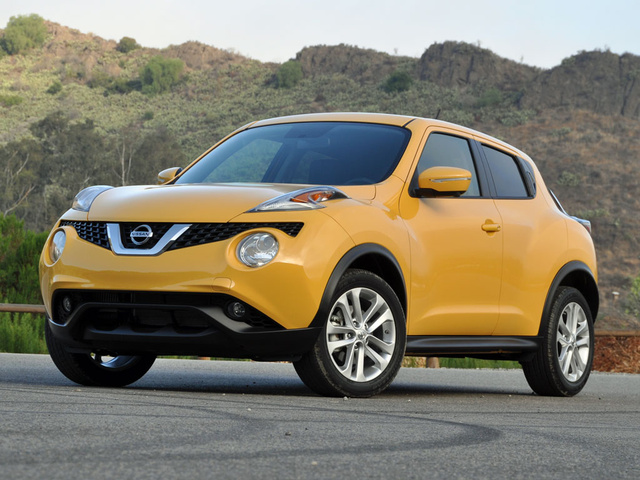
2011-2017 Nissan Juke
We've saved the smallest and most distinctive entry for last. The Nissan Juke, sold in the U.S. for model years 2011 through 2017, offers just 10 cubic feet of cargo space and a love-it-or-hate-it aesthetic inside and out. What it brings to the table, though, is genuine character and lively turbocharged performance. Fuel efficiency is respectable, with FWD models rated at 29 mpg combined and AWD variants at 27 mpg.
Honorable Mentions
The budget-friendly 2009-12 Ford Escape Hybrid is worth a look for cost-conscious shoppers. At least one report has documented the boxy crossover still earning its keep in taxi service with 400,000 miles on the clock. In FWD form, the Escape Hybrid returns 32 mpg.
The Nissan Kicks is another solid contender, particularly for buyers who appreciate distinctive styling at an accessible price. Starting with the 2018 model year, this FWD-only subcompact crossover effectively stepped in as the Juke's successor — and improved on its fuel economy, achieving an estimated 33 mpg combined.
Drivers in rural areas with unpaved roads, or those dealing with serious winter weather, may find a late-model Subaru Forester to be an ideal fit, as we highlighted in our article on the best used SUVs of 2026. Subarus have long been respected for their reliability, standard AWD, and off-road capability. The 2020 Forester's combined EPA rating of 29 mpg isn't class-leading, but it's respectable for a vehicle with genuine all-terrain credentials.
The 2022-and-later Hyundai Tucson Hybrid delivers an impressive 37 mpg combined. As we noted in our review, it's a strong pick for anyone wanting a compact SUV with generous cargo space and a robust suite of standard safety technology.
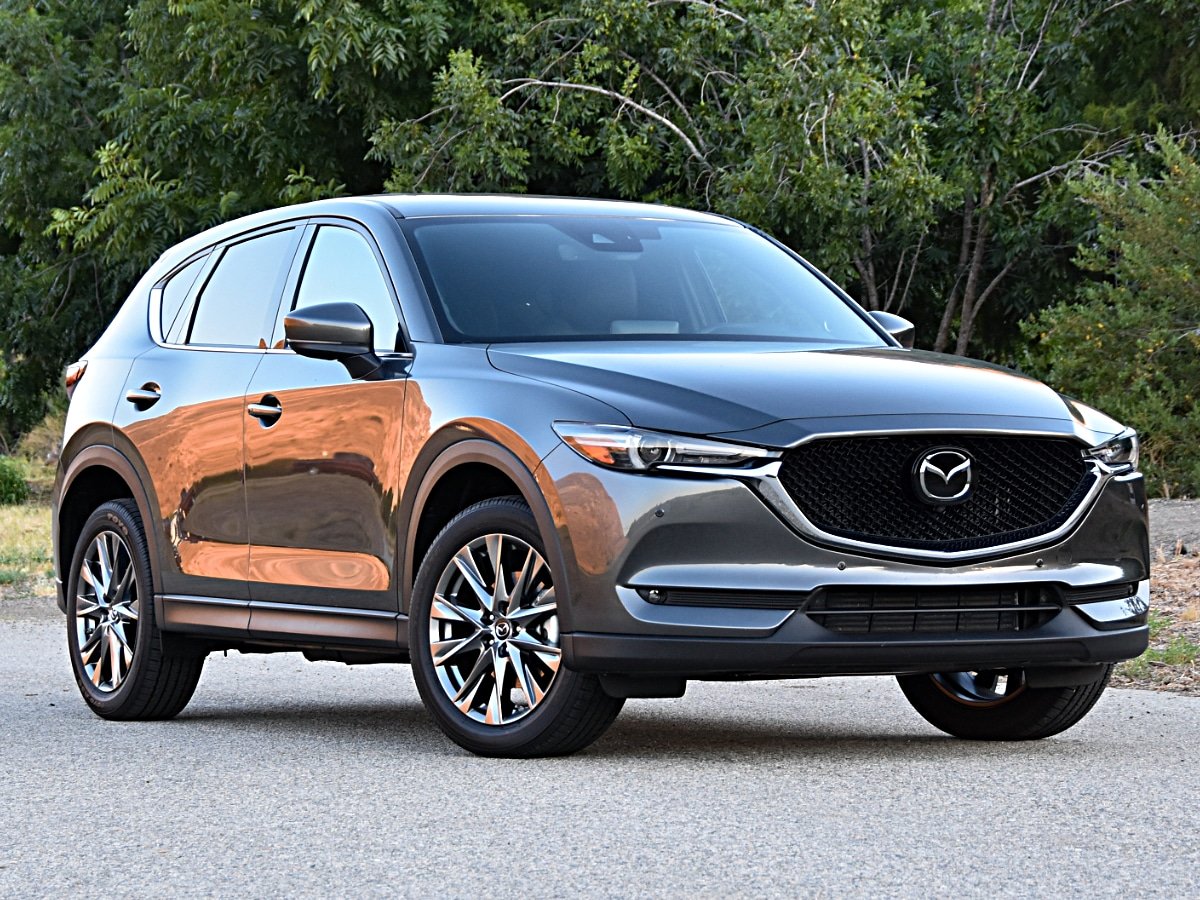
Used-car shoppers who prioritize interior and exterior design along with driver-focused dynamics should give a used Mazda CX-5 serious consideration. The 2020 model returns 28 mpg combined in FWD configuration — not a class leader, but entirely reasonable for one of the most enjoyable vehicles to drive in its segment.
Finally, the 2018-24 Volkswagen Tiguan deserves a mention. At 24 mpg combined, it's not the most efficient compact crossover around, but it stands out as one of the few options in its class to offer a third-row seat, which VW made available on select configurations.
Tips for Getting Good Gas Mileage in Older SUVs
The Top Used SUVs With the Best Gas Mileage FAQs
Which used hybrid SUV gets the best gas mileage?
The Kia Niro Hybrid stands out at the top of the efficiency chart, delivering an impressive 43 to 50 mpg combined depending on the trim level. The Honda CR-V Hybrid is another strong performer, earning an EPA-estimated 38 mpg — making it one of the most fuel-efficient options in the compact SUV segment.
Are there fuel-efficient used SUVs that also offer AWD?
Yes, several models on this list pair solid fuel economy with standard or available AWD. The 2016-2018 Toyota RAV4 Hybrid comes standard with AWD and still achieves 32 mpg combined, while the Lexus NX Hybrid offers AWD with a 31 mpg combined rating — both strong choices if you need traction in winter weather or on unpaved roads.
How can I improve the gas mileage on an older used SUV?
A few simple habits can make a meaningful difference in real-world efficiency. Keep your tires inflated to the recommended pressure, avoid carrying unnecessary cargo, accelerate gently from stops, and coast gradually toward traffic lights rather than braking hard at the last moment.
What Makes CarGurus Best Cars Guides Different?
Most car-shopping websites publish lists of the best cars across a variety of categories, with recommendations generally driven by editorial expertise. Here's what makes ours different: In addition to the insights and verdicts of our team of car-testing experts, our best cars guides take into account other factors that we know matter to buyers-real owner experiences and current market value.
Our expert reviewers are among this country's most trusted automotive journalists, also writing for publications including US News and World Report, Edmunds, Digital Trends, J.D. Power, and Car & Driver. They put each car through real-world testing and create detailed reviews of performance in a range of categories, from practicality and driving manners to cost-effectiveness and safety.
We also analyze hundreds of thousands of used car listings on CarGurus.com to track which models consistently offer the highest percentage of best deals relative to how many are listed for sale. Then we factor in reviews from owners-people who actually live with these cars every day. Our proprietary Best Cars algorithm then creates a final Overall CarGurus rating combining expert scores, user reviews, and the percentage of listings that have earned the Good or Great Deal rating. This multi-pronged approach reveals not just which cars excel on paper, but which ones deliver satisfaction and value when you're ready to buy.
The CarGurus market data used in this guide was last updated in March 2026. Values were accurate at time of publication and should be used as a guide only.
Shopping Tools
Related Topics